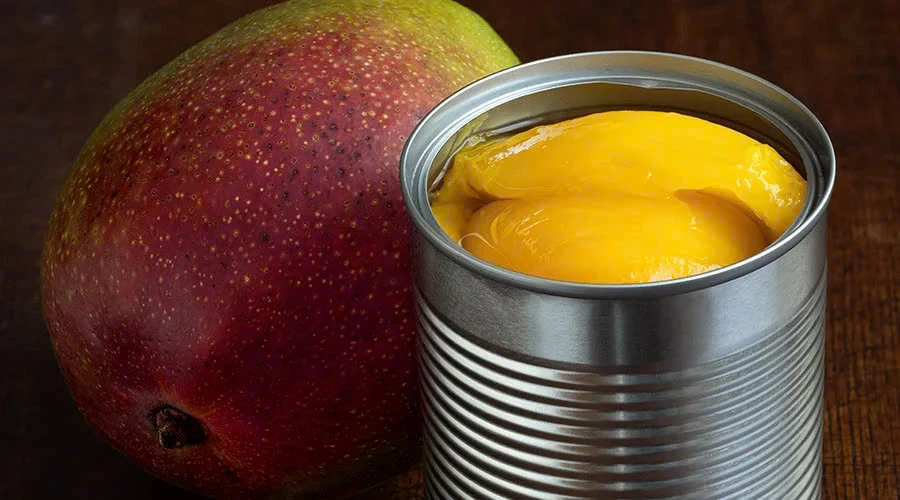

Food Tour Around the World: New Year Occasion and Global Food Traditions
The New Year is one of the most celebrated occasions across the globe, marked by unique food cultures that carry symbolic meanings such as prosperity, health, and good fortune. From Asia to Europe and the Americas, traditional New Year foods vary widely yet share a common theme—each ingredient reflects deep cultural values and hopes for the upcoming year.
In this global food tour around the world on New Year’s occasion, we explore how celebratory cuisines incorporate ingredients like canned fruits, dried fruits, pickled cucumbers, cinnamon, and nuts and aromatic spices—and how these foods connect traditions across borders.
Why Food Is Essential in New Year Celebrations Worldwide
Food plays a central role in New Year celebrations not only for taste but also for symbolism. Across different cultures:
- Fruits represent fertility, sweetness, and prosperity.
- Rice and grains symbolize abundance and growth.
- Nuts and aromatic spices often appear in traditional dishes, believed to bring good luck.
- Fermented and pickled foods, including pickled cucumbers, balance rich festive meals and enhance digestion.
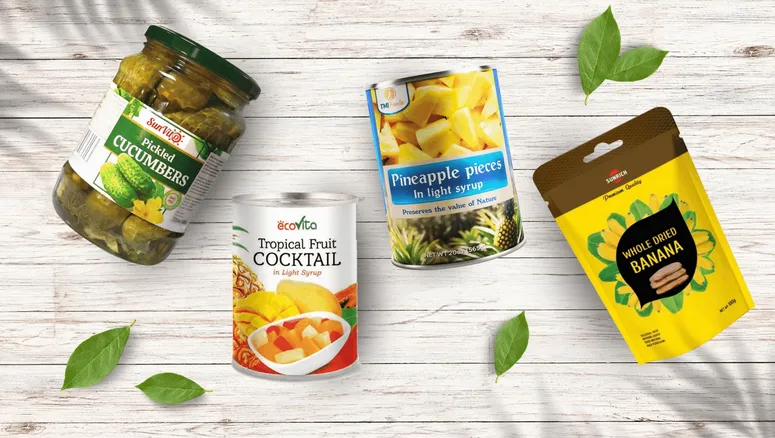
Today, preserved and processed foods such as canned fruits, dried fruits, and pickled vegetables make traditional New Year flavors accessible year-round, reflecting modern lifestyles and global food trends.
Food Traditions Across Continents
Asia: Tropical Fruits, Pickles, and Symbolic Dishes
In many Asian cultures, New Year celebrations include a variety of symbolic foods:
- Fresh and preserved tropical fruits signify abundance and sweetness.
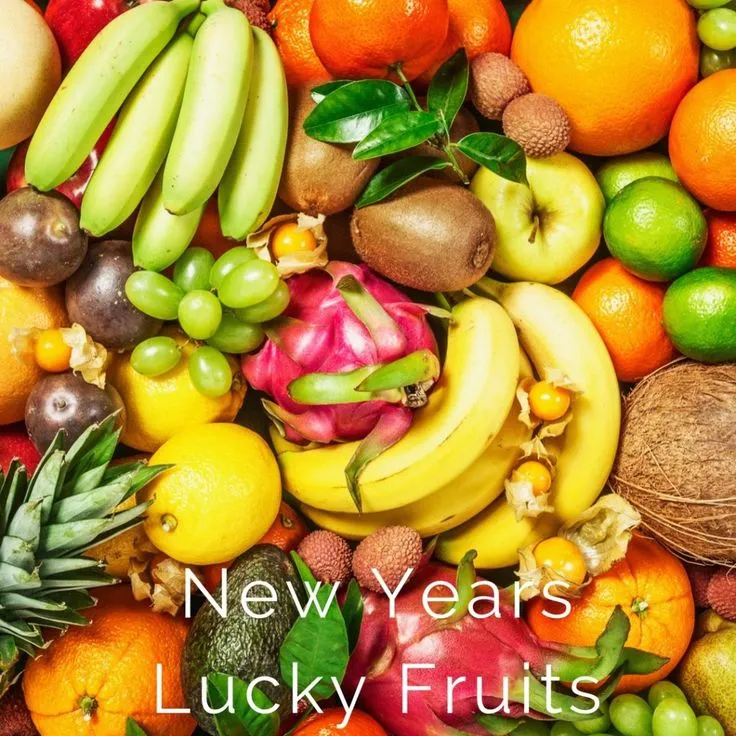
Source: https://blog.atlastravelweb.com/special-interests/festivals-2/lucky-fruits-for-new-years
- Pickled cucumbers and pickled vegetables balance rich flavors and support digestion during festive feasts. In Vietnamese New Year (Tết), pickled vegetable assortments are essential for complementing traditional meals.
Countries like China and Vietnam highlight fruit trays and pickled side dishes, while Japan serves soba noodles as a symbol of longevity.
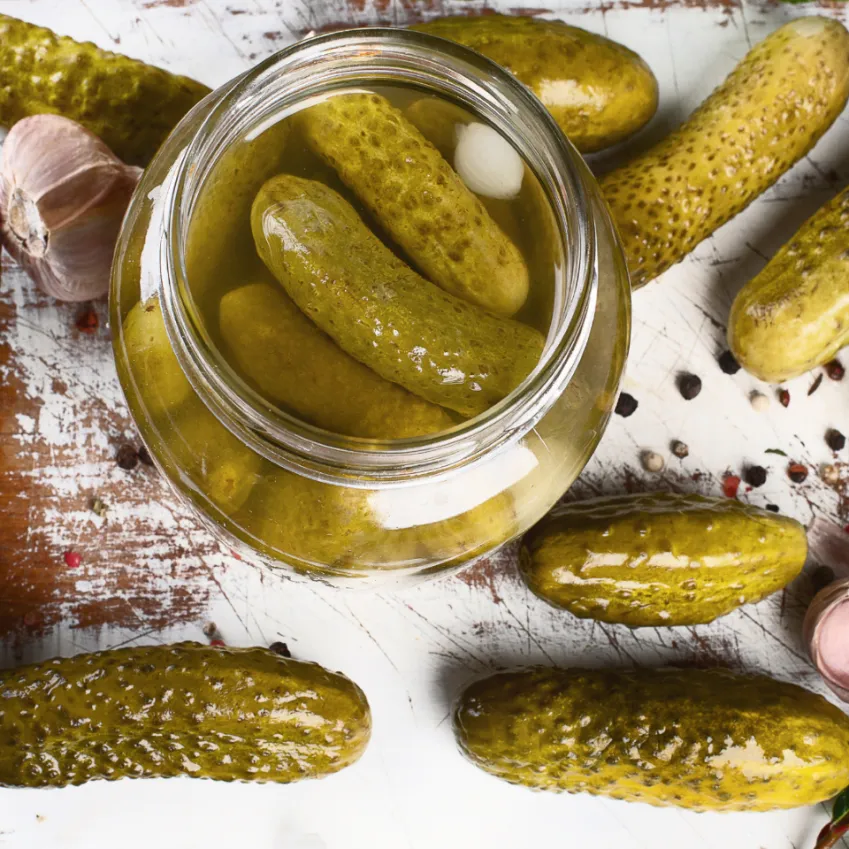
Source: https://tmicorpgroup.com/pickled-cucumbers
Europe: Dried Fruits, Nuts and Aromatic Spices
European New Year traditions often emphasize preservation and warm flavors:
- Dried fruits, such as mangoes and bananas, appear in cakes and festive bread, especially in winter traditions.
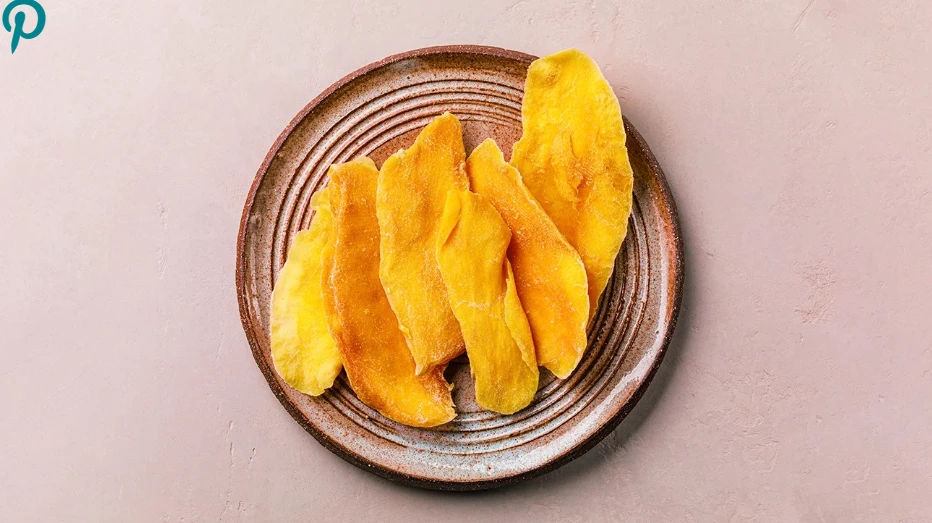
Source: https://tmicorpgroup.com/dried-mango-ecovita
- Nuts and aromatic spices like cinnamon and cloves are used widely in desserts and baked goods, infusing warm, festive notes into holiday recipes.
These ingredients not only offer nourishment during cold months but also carry rich cultural associations with celebration and community.
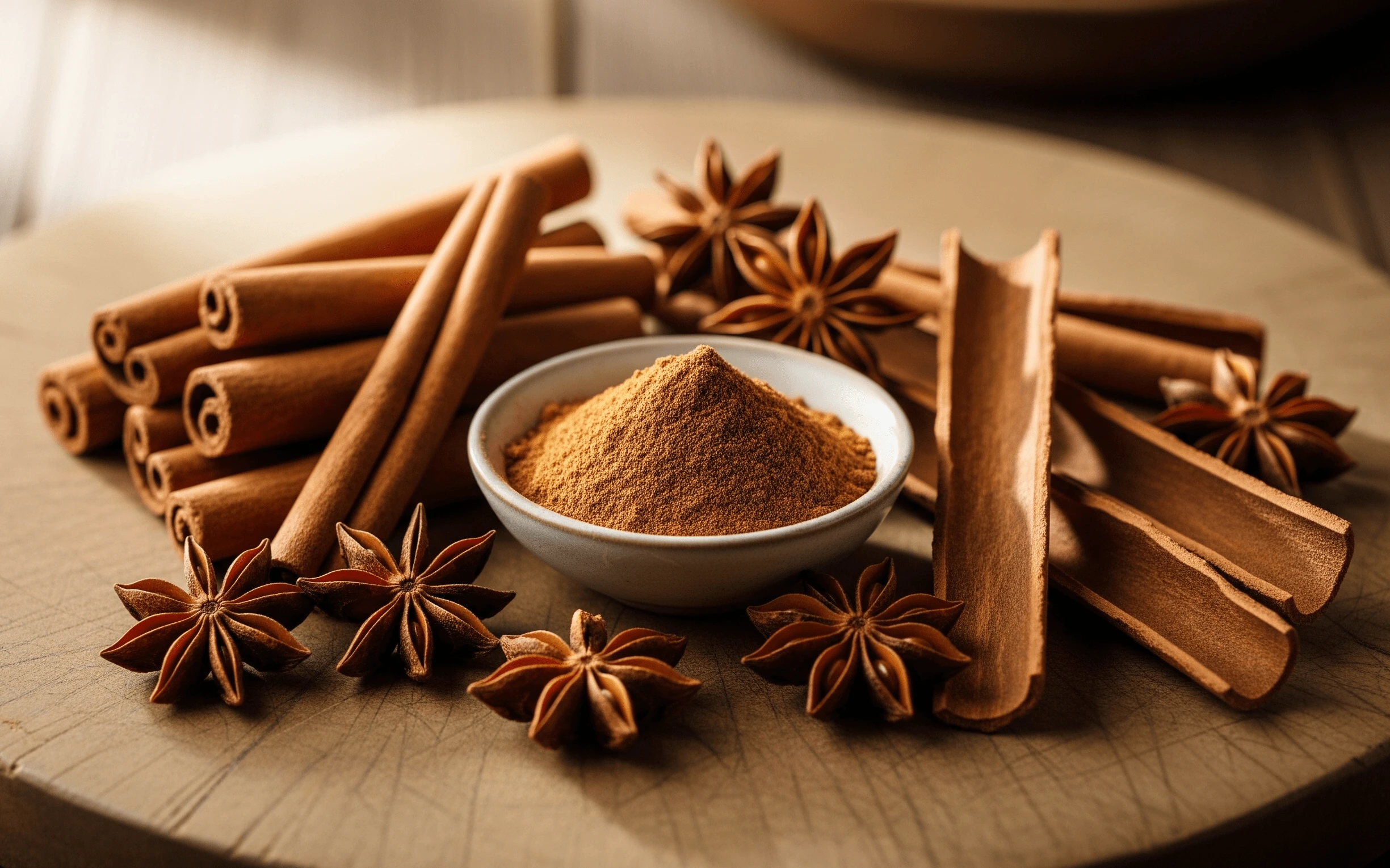
Source: https://tmicorpgroup.com/spices
The Americas: Sweet Treats, Canned Fruits and Celebration Foods
In North and South America, New Year festivities frequently involve sweet dishes and comforting foods:
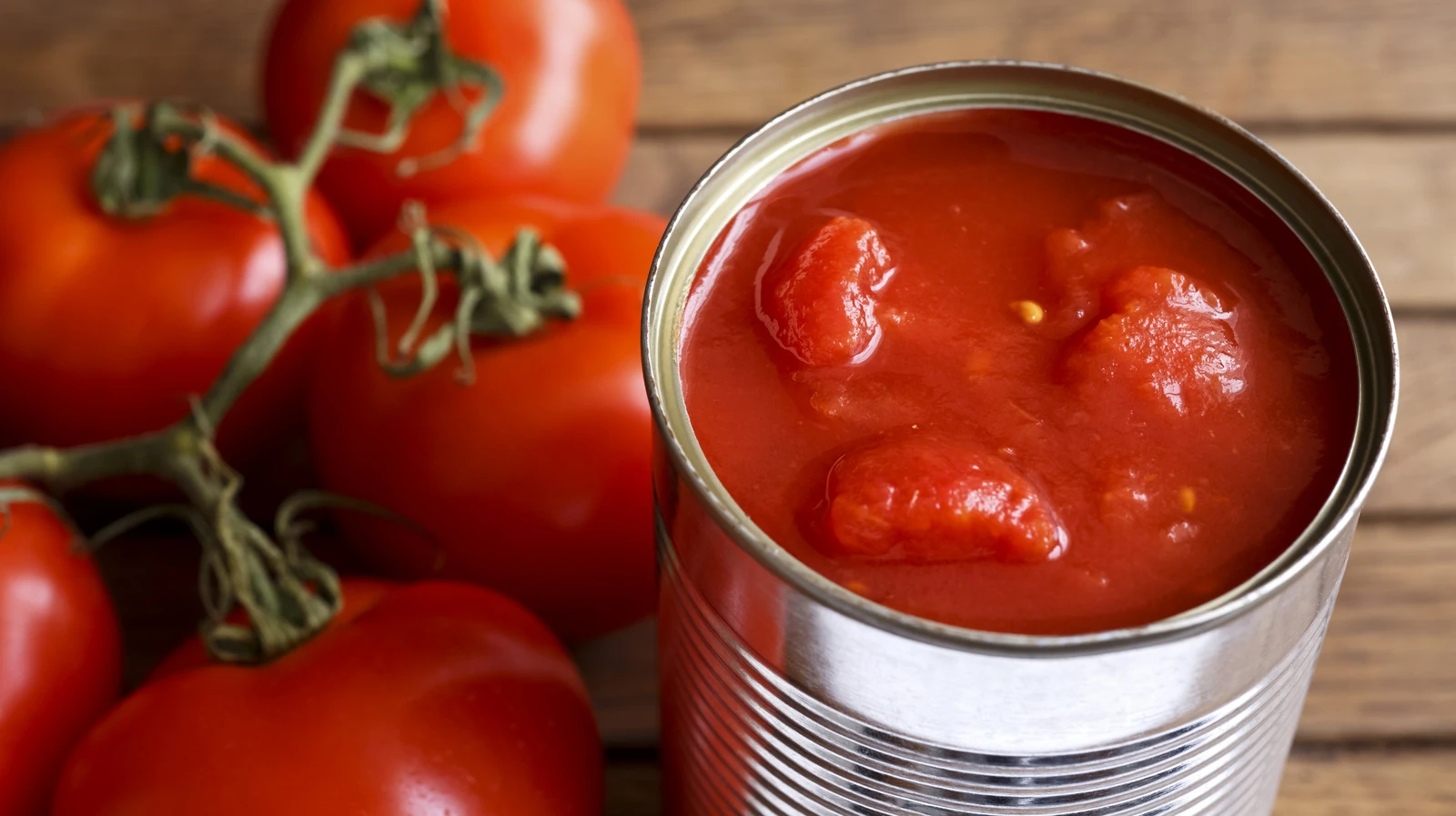
- Canned fruits are used in fruit salads and desserts, offering convenience without sacrificing flavor.
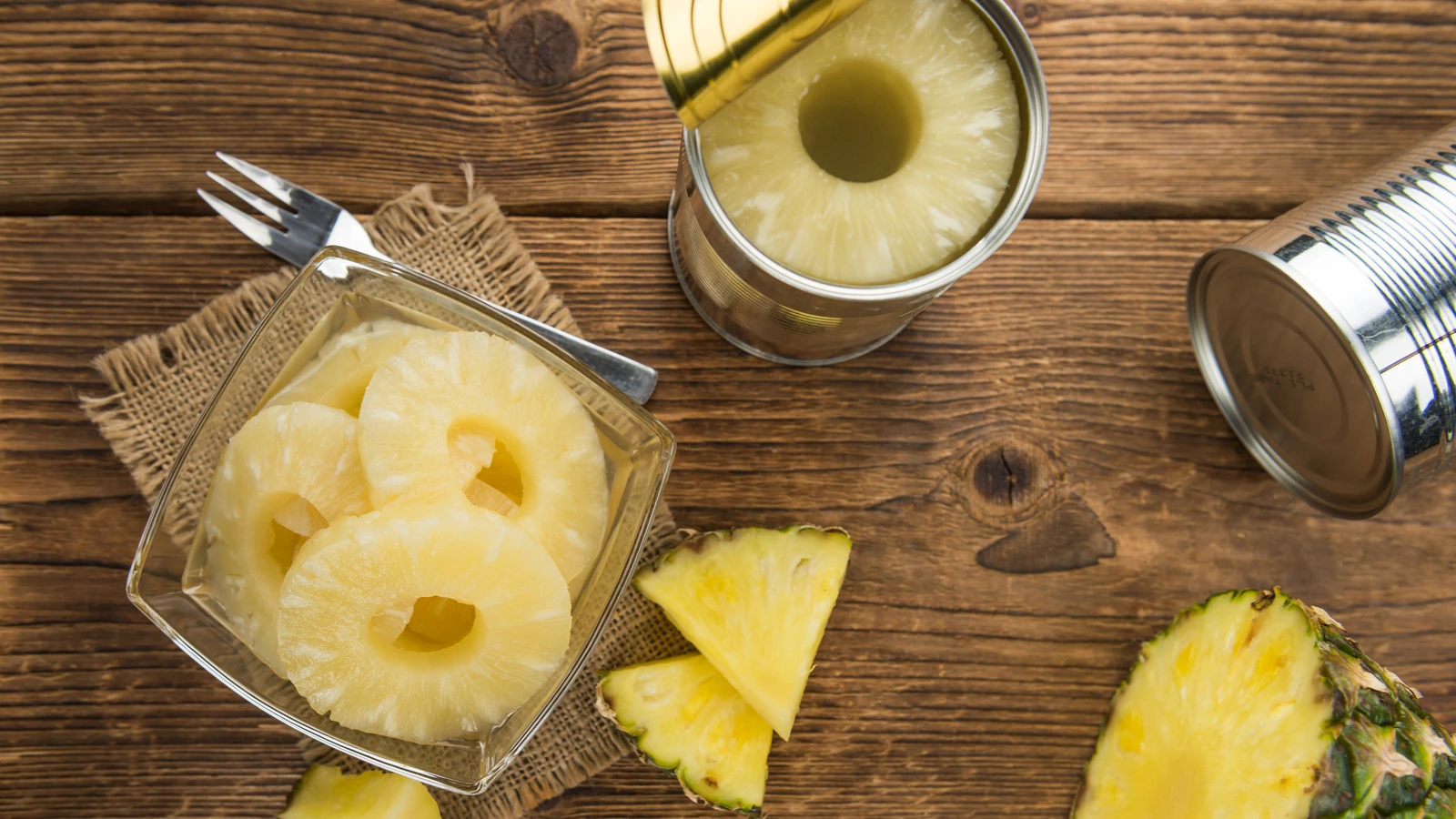
Source: https://tmicorpgroup.com/canned-fruits-vegetables
- Dried fruits and nuts are popular components of desserts, breads, and celebratory pastries.
For example, traditions such as eating “12 grapes at midnight” in Spain and Latin America embody symbolic aspirations for luck and prosperity.
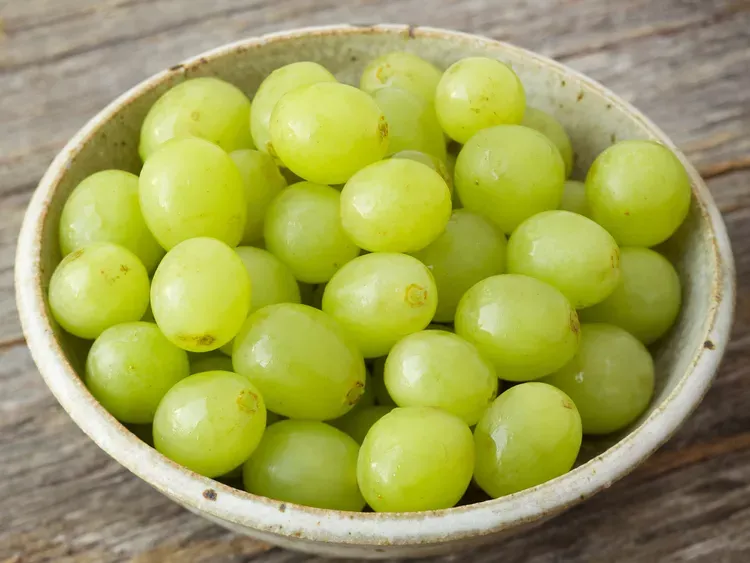
Source: https://en.wikipedia.org/wiki/Twelve_Grapes
Middle East & Africa: Rich Textures and Enduring Ingredients
In many Middle Eastern and African cultures, New Year celebrations feature:
- Dried fruits and nuts in festive stews and porridges.
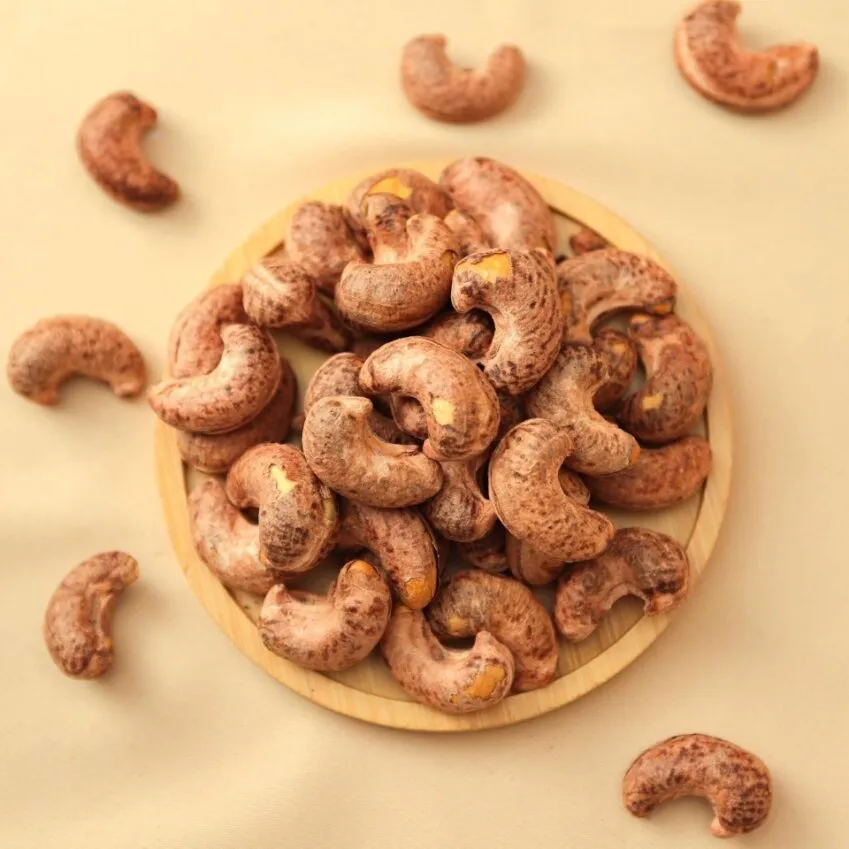
Source: https://tmicorpgroup.com/cashew-nuts
- Aromatic spices like cinnamon to enhance flavor complexity and warmth.
Dishes like Ashure—a sweet blend of grains, dried fruits, and nuts—offer symbolic meaning and are often shared during holidays for community and peace.
How Key Ingredients From TMICORP Support New Year Food Trends
In New Year food traditions around the world, key ingredients such as canned fruits, dried fruits, pickled cucumbers, cinnamon, and nuts and aromatic spices play an important role in both cultural symbolism and modern cuisine. Canned fruits like pineapple and lychee help bring tropical flavors into festive dishes regardless of season, while dried fruits are widely used in celebratory desserts for their sweetness and nutritional value. Pickled cucumbers add balance and contrast to rich New Year meals, a practice shared across Asian and European traditions. Meanwhile, cinnamon and other nuts and aromatic spices enhance festive foods with warmth, aroma, and symbolic meaning, making them essential ingredients in global New Year celebrations.
Find more about our products: https://tmicorpgroup.com/
Conclusion
New Year celebrations around the world are deeply tied to food traditions that express cultural values of hope, renewal, and prosperity. Whether through canned fruits and dried fruits, the crunch of nuts and aromatic spices, or the tang of pickled cucumbers, these ingredients enrich festive tables with flavor and meaning. By marrying traditional culinary values with modern preservation techniques, we can preserve and share global New Year food heritage—bringing communities together around food that tells a story of celebration and connection.


Related Articles
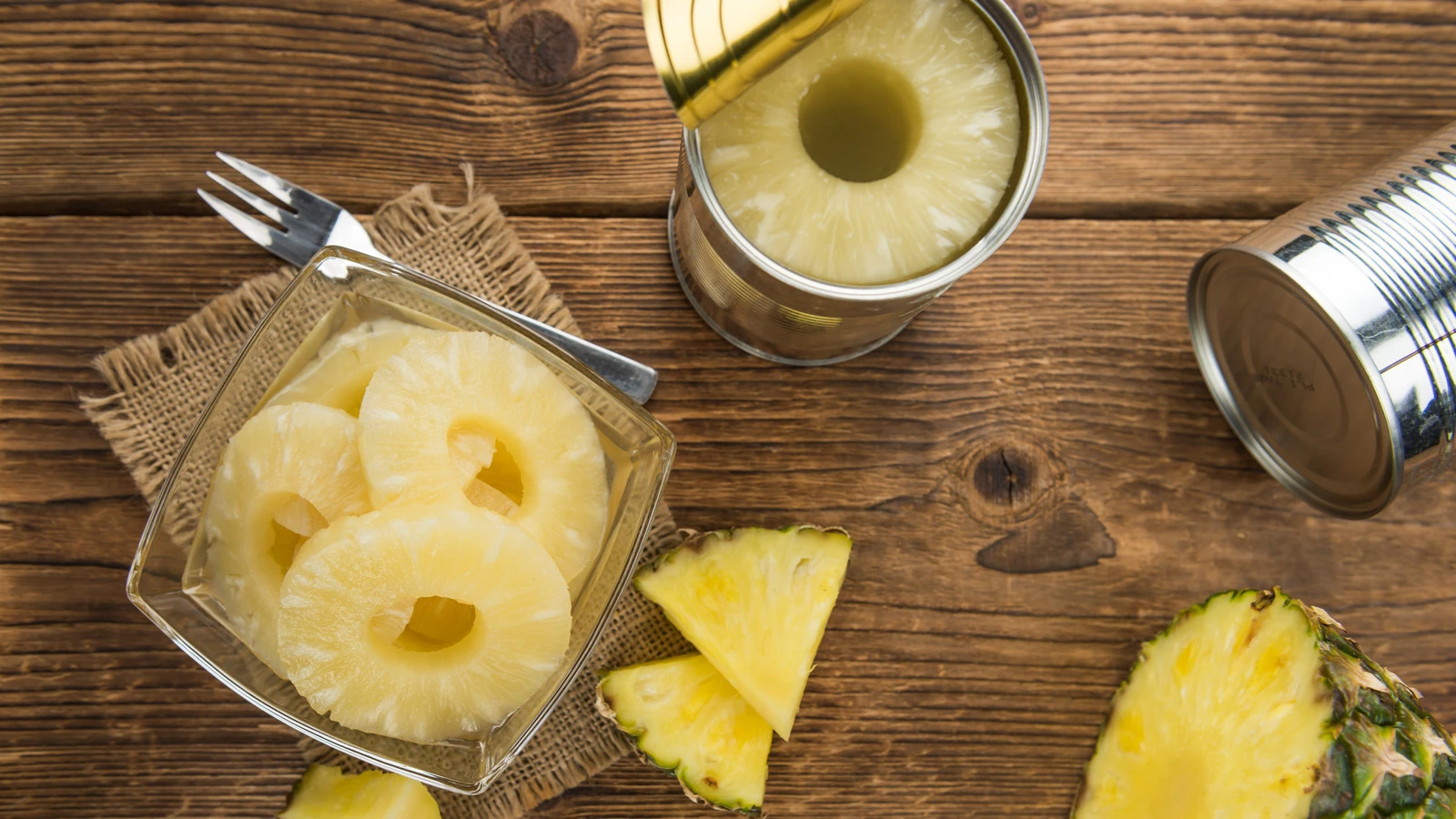
Canned Pineapple Benefits: Health, Nutrition & Risks
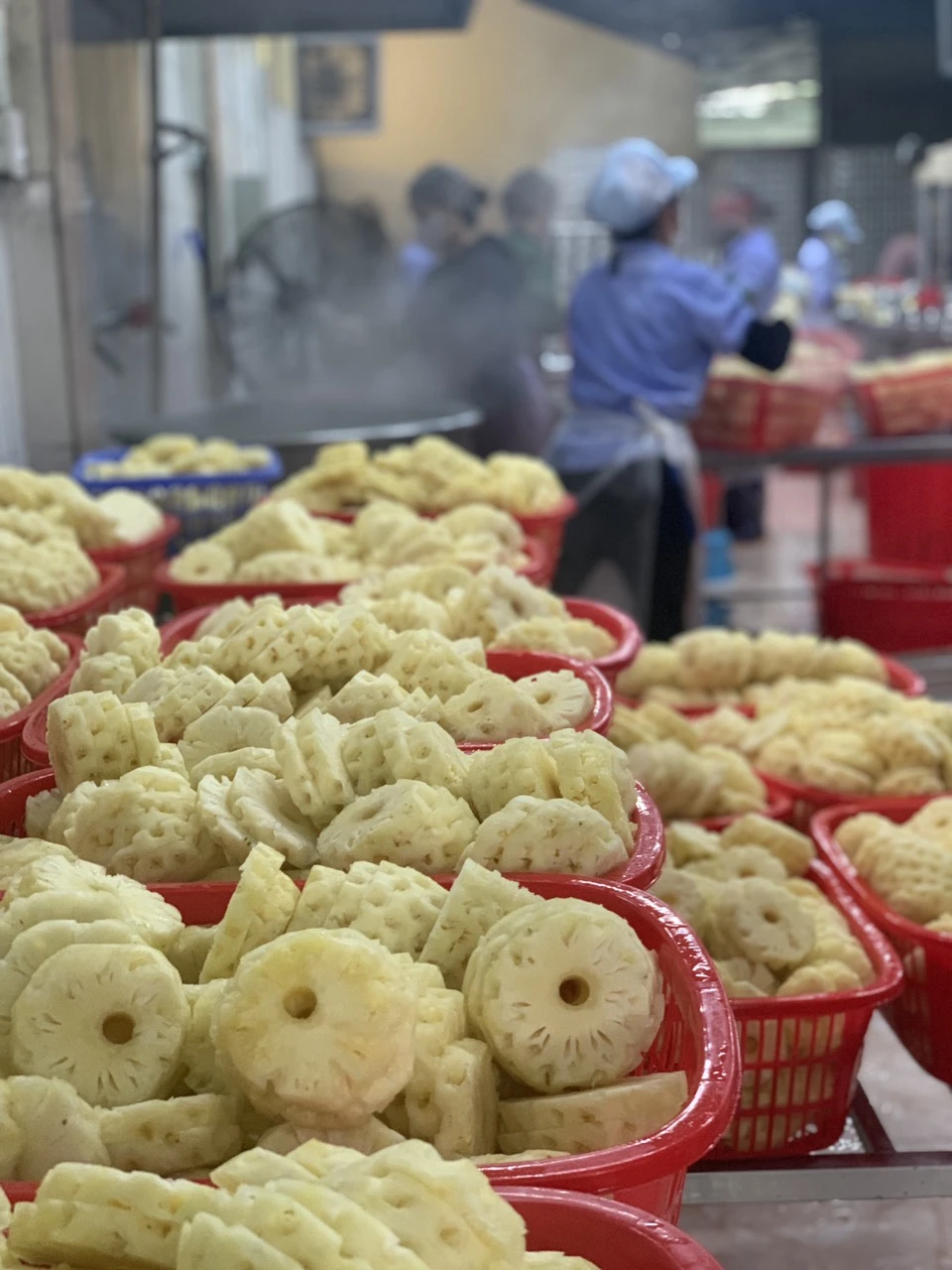
WHAT IS CANNED PINEAPPLE?
3 Easy and Delicious Dishes You Can Make with Canned Pineapple
Discover 8 of the Best Bubble Tea Flavors Around the World!