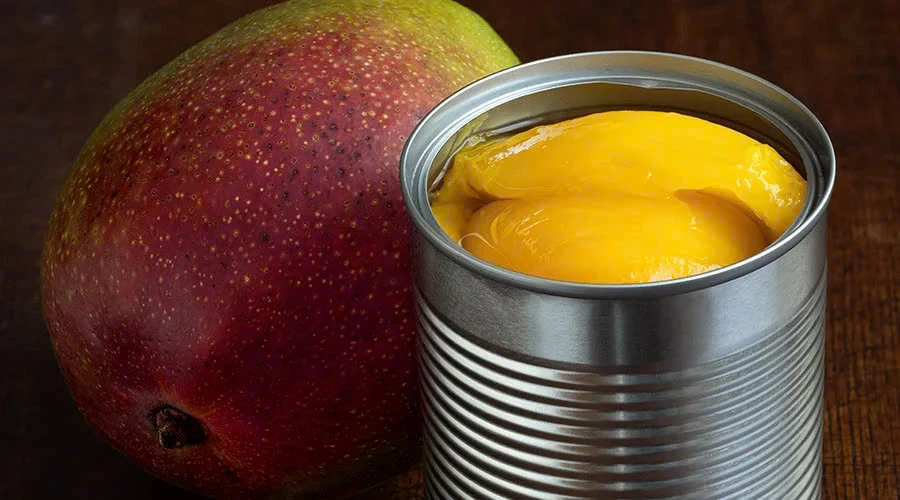

Can You Freeze Pineapple? Best Way to Freeze Fresh Pineapple
By TMICORP Editorial Team | Last updated: 2026-08-11
This article is for general informational purposes only and is not medical advice. Consult a qualified healthcare professional for guidance on your individual situation.
Short answer: Can you freeze pineapple?
Yes, you can freeze pineapple well, preserving its bright tropical flavor and many nutrients while accepting that the texture becomes softer and a bit more watery after thawing. Freezing halts spoilage and enzyme activity, so your fruit stays usable for months with minimal prep beyond cutting and packing. Most people cut fresh, ripe-but-firm pineapple into chunks or slices and flash-freeze on a tray for easy portioning later. Expect the thawed pieces to lose some crisp bite, which is normal for frozen fruit. Frozen pineapple is best for smoothies and cooked uses if texture matters.
1. Why freeze pineapple and when to do it
Freeze pineapple to save money during seasonal sales, reduce waste from big fruits, and pre-portion ingredients for smoothies and recipes. The best time to freeze is when the fruit is ripe but still firm, not overripe or mushy. You can also freeze extra fresh-cut pineapple or well-drained canned pieces. Buying in bulk and freezing keeps tropical flavor on hand year-round.
Freezing also buys you time. A single pineapple yields more than most households can eat in a couple of days; cutting and freezing turns that excess into ready-to-pour portions for smoothies, stir-fries, and desserts. Choose fruit that smells fragrant at the base, feels heavy for its size, and yields slightly at the stem end. Avoid bruised spots or trim them away before freezing. If you meal-prep, portion into recipe-size packs so weeknight cooking stays fast and predictable. Ripe-but-firm fruit keeps its shape better after thawing, while overripe pieces tend to weep more and taste flat.
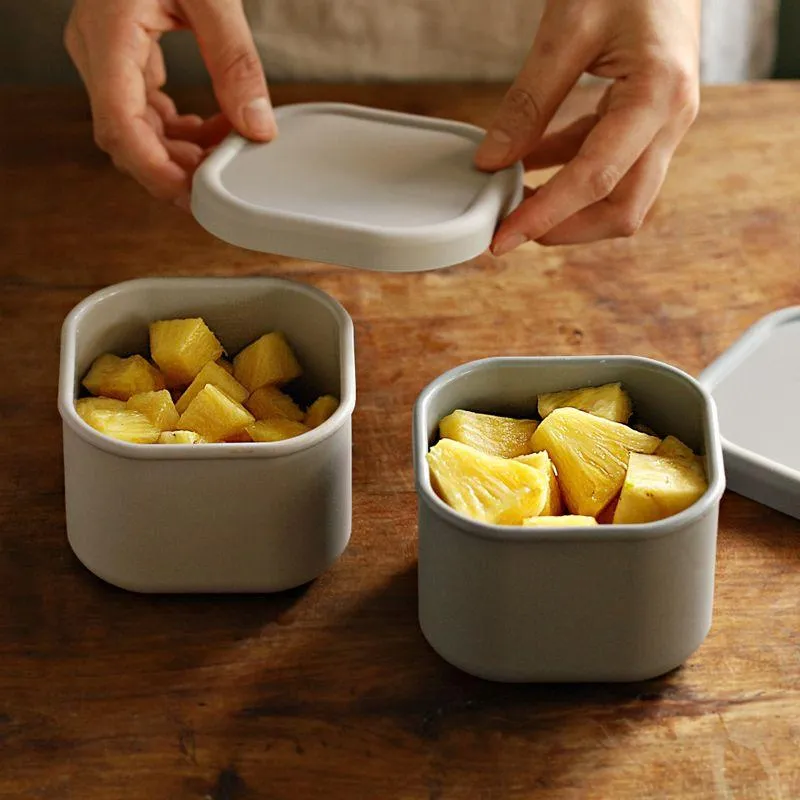
2. How freezing affects texture and nutrition
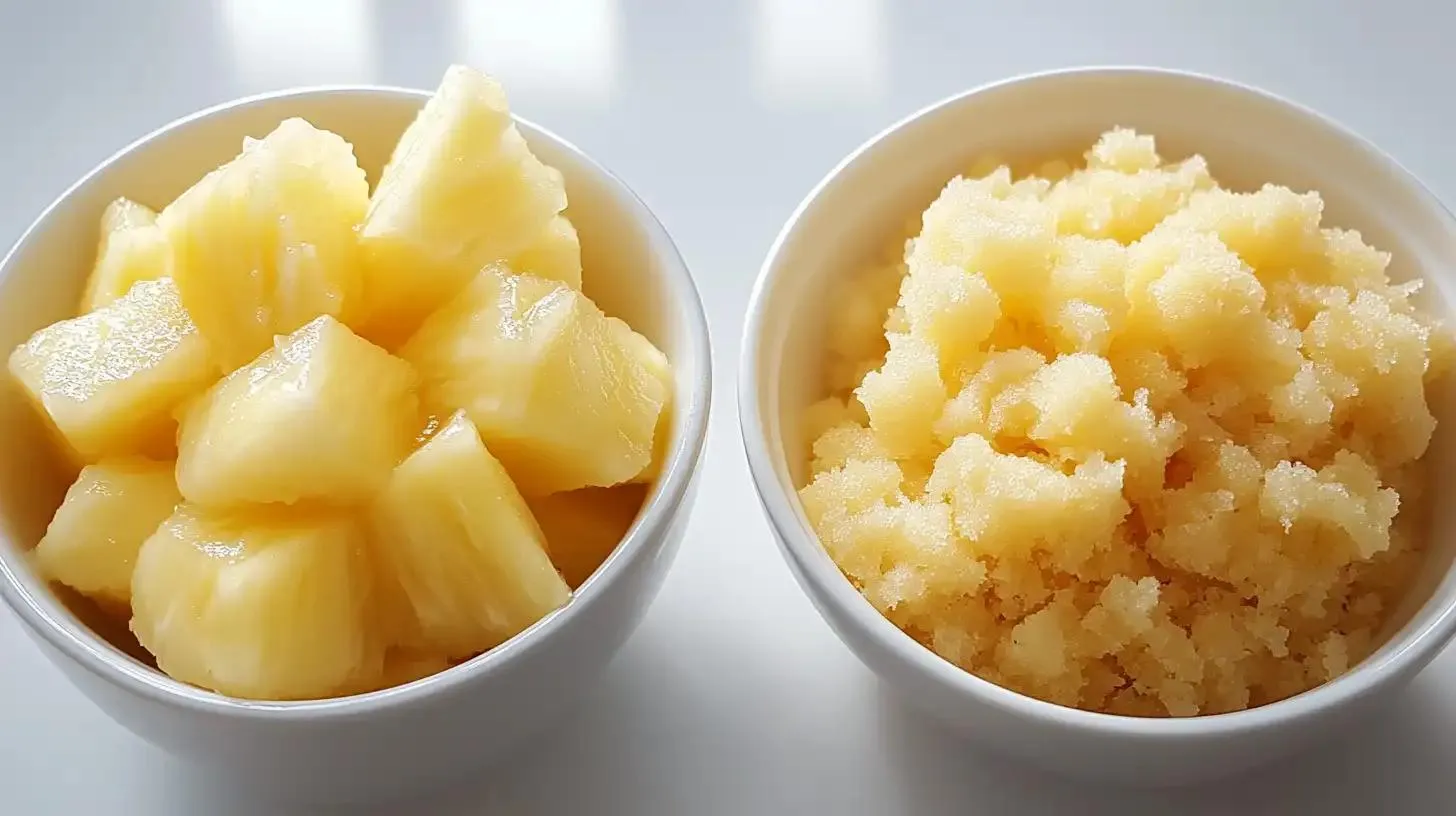
Freezing makes thawed pineapple softer and a little watery because ice crystals cause cell-wall damage, which releases juice on thawing. That texture shift is the trade-off for long storage, but most vitamins, especially vitamin C, are largely retained, and freezing preserves nutrition better than leaving fruit at room temperature for days. The bromelain enzyme remains active when frozen (heat inactivates it), so thawed pineapple can still keep gelatin from setting and can help tenderize proteins in marinades. For the firmest bite after thawing, use pieces in cooked dishes where heat and sauce re-balance texture.
For fresh uses where crispness matters, add still-frozen pieces to frost smoothies or blend them into sorbet; the icy texture works in your favor. If you need bromelain for tenderizing, frozen fruit will do the job; if you don't, know that canned pineapple is heat-processed and won't have active bromelain. Expect some juice release when thawed, that's normal and flavorful. Save it for sauces or to sweeten a vinaigrette rather than losing nutrients down the drain.
3. How to cut a pineapple for freezing (step-by-step)
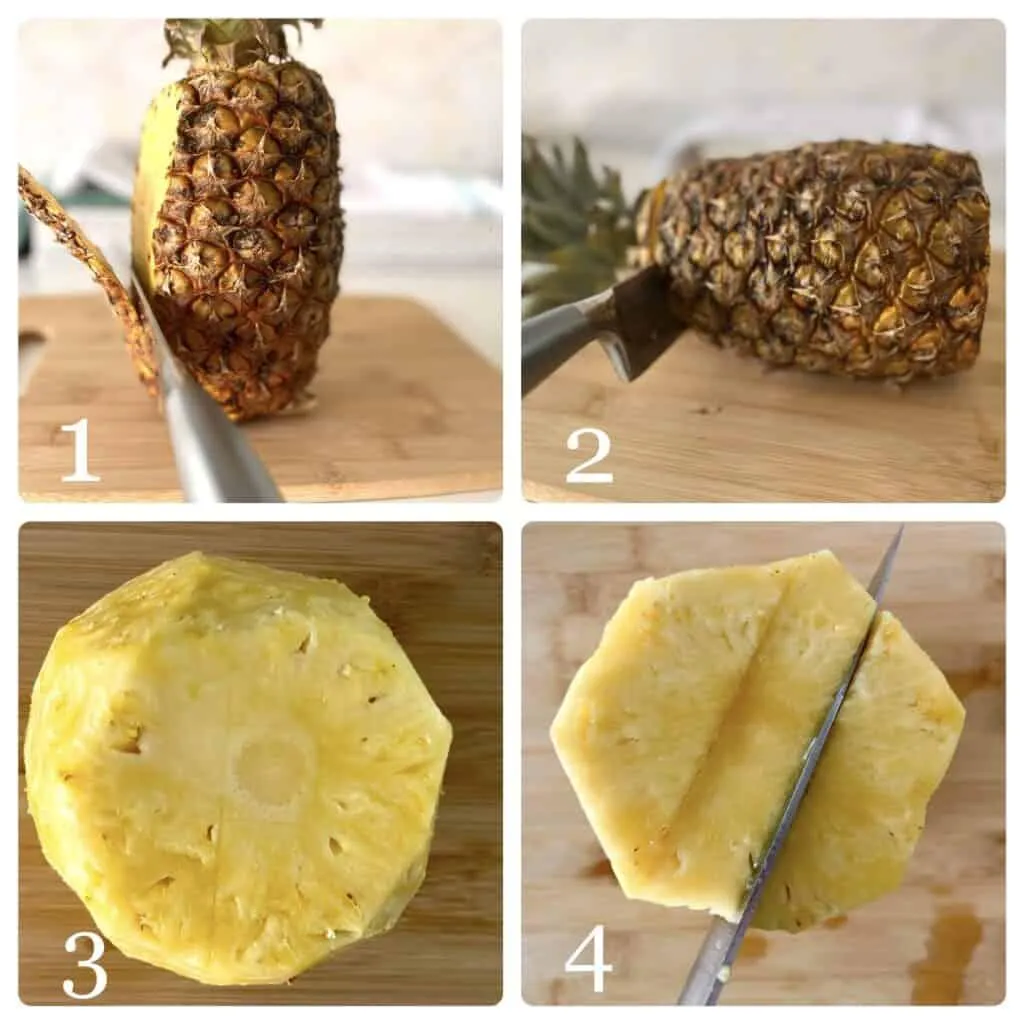
To prep pineapple for freezing, remove the crown and base, peel, take out the "eyes," core if you like, then cut into chunks, slices, or rings. Step-by-step: 1) Slice off the top and bottom. 2) Stand the pineapple upright and cut downward to remove the rind. 3) Trim out remaining "eyes" with shallow V-cuts. 4) Quarter lengthwise and remove the core, or leave it if you enjoy the chew. 5) Cut into 1/2-1-inch chunks for smoothies or into slices/rings/wedges for grilling and baking. Safety tip: use a sharp knife and a stable cutting board to keep cuts clean and fingers safe.
After cutting, pat pieces dry to limit surface ice. Keep pieces similar in size so they freeze at the same rate and stack neatly in flat packs.
4. Best method: Flash-freeze for loose pieces (step-by-step)
The best home method is to flash-freeze pieces on a lined baking sheet so they freeze individually and don't clump. Line a baking sheet with parchment paper or a silicone mat, spread pineapple so pieces don't touch, and freeze until solid (about 2-4 hours or overnight). Transfer the hard-frozen fruit to labeled zip-top freezer bags, reusable silicone bags, or freezer-safe containers; squeeze out excess air and press bags flat to save space. Flash-freezing prevents clumping, lets you pour out just what you need, and protects quality by shortening the time pieces spend partially frozen. In commercial plants, individual quick freezing (IQF) achieves a similar free-flowing result by freezing faster and colder.
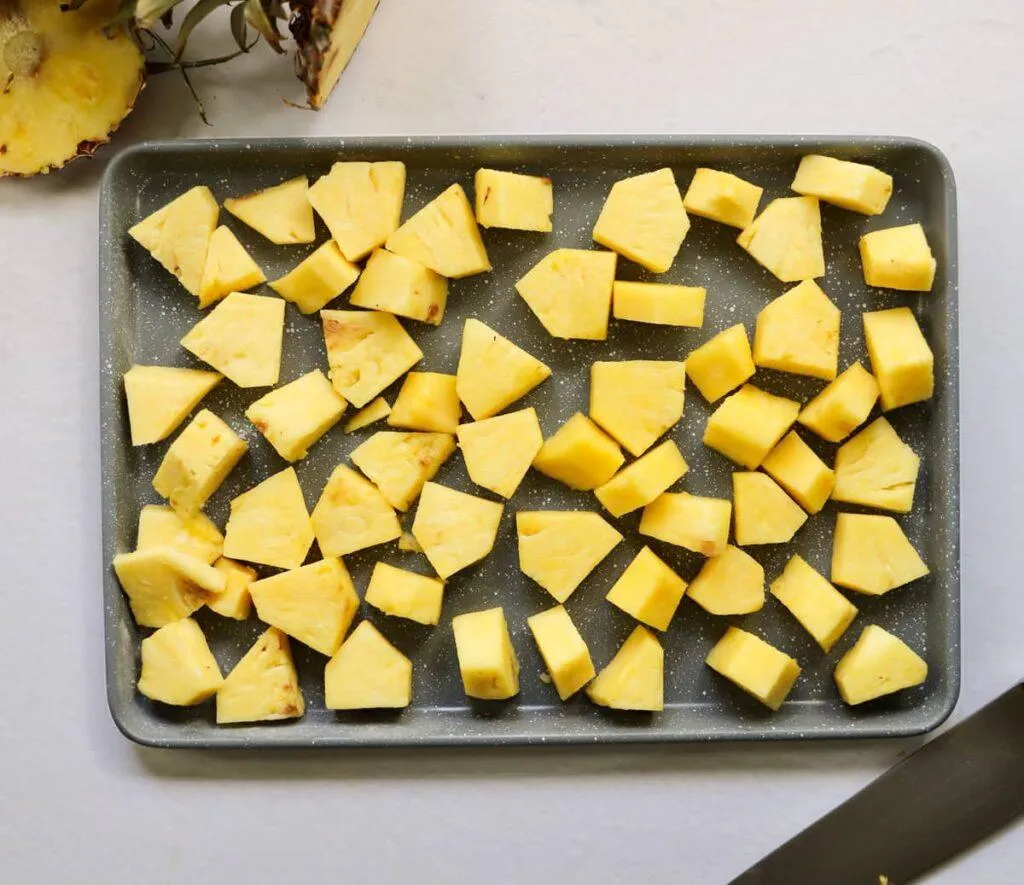
For cleaner results at home, work with well-chilled fruit and dry surfaces; excess moisture glues pieces together. Move quickly when bagging so the edges don't thaw and refreeze into a lump. If you're packing in rigid containers, leave a little headspace and cover the fruit surface with parchment to limit air contact. We've found thin, flat packs freeze and thaw more evenly, stack better, and make it easy to break off exactly what you need.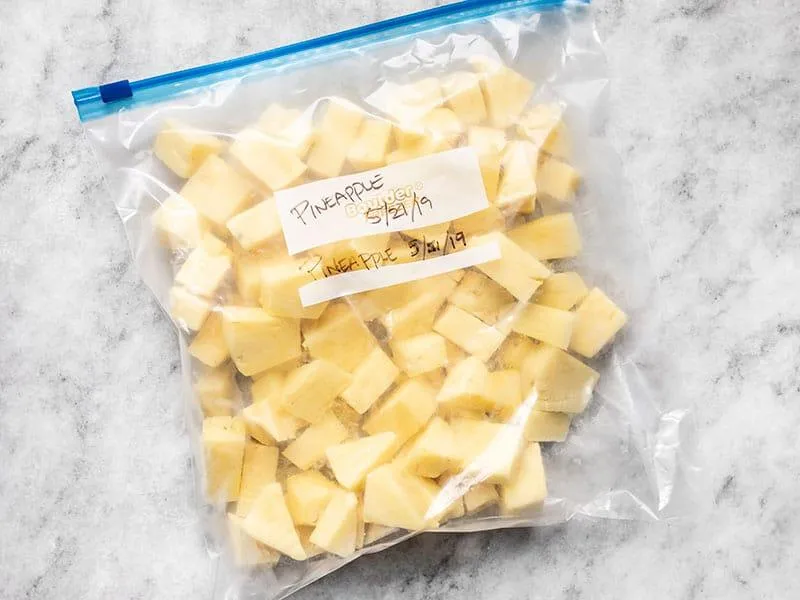
5. Alternative: Freezing in syrup or sugar pack (when to use it)
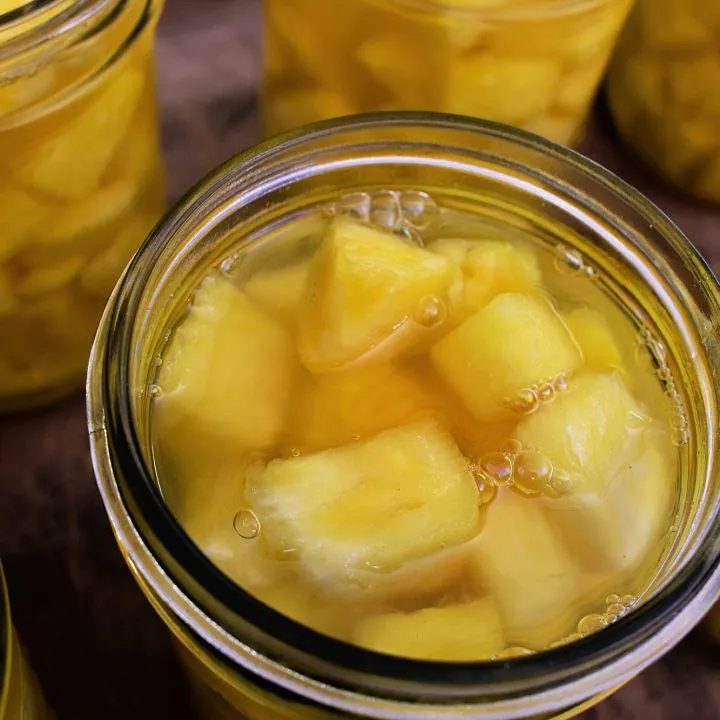
Use a syrup pack or sugar pack when you want extra juiciness and flavor retention for desserts. For a light syrup, dissolve sugar in water at roughly 1:1, cool, submerge pineapple pieces in a freezer-safe container, and leave headspace before freezing; this helps reduce freezer burn but adds sugar. For a sugar pack, toss cut fruit with a small amount of sugar, let it draw some juice, then pack and freeze. These options are optional and best for sweet applications.
They're handy for pies, upside-down cakes, and garnishes where a glossy finish matters. The trade-off is added sweetness and a little more prep time.
6. Freezing slices, rings, or whole, what works best
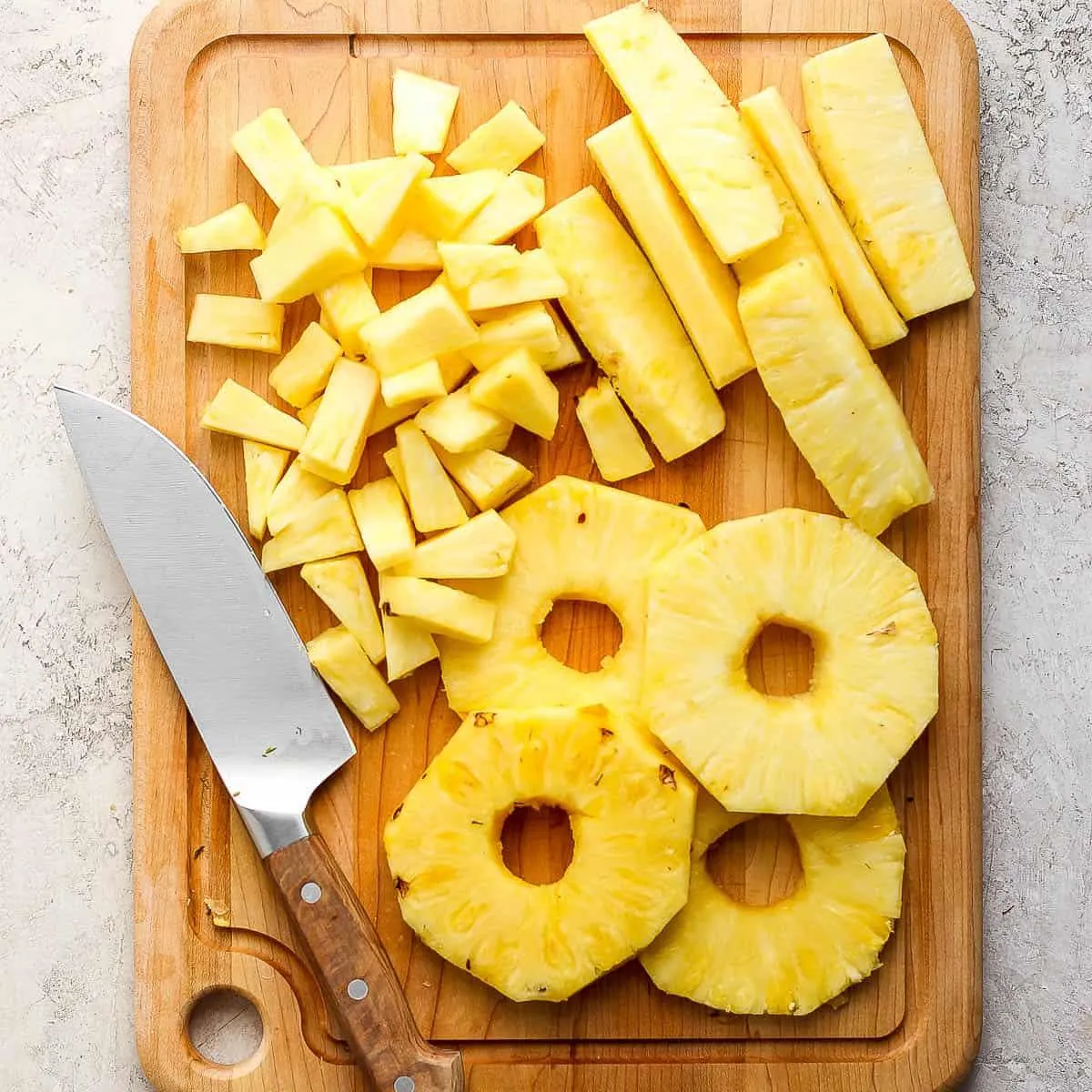
Chunks work best for smoothies and everyday recipes because they freeze and portion easily, while slices or rings are great for grilling, baking, and garnishes if you flash-freeze them in a single layer first. Rings and slices should be tray-frozen so they don't fuse together, then packed. Freezing a whole pineapple is possible but not recommended: it takes much more freezer space, freezes and thaws unevenly, and makes later cutting messier. Choosing form is a trade-off between convenience, freezer space, and the texture you need after thawing.
If you plan to grill, freeze rings or spears flat so they hold their shape; they'll soften as they thaw but caramelize nicely once seared. For baking, thinner slices release fewer puddles in the batter.
7. Packaging, labeling and storage life
Pack frozen pineapple in airtight, low-air packaging and label and date it for best quality up to 8-12 months at 0°F (-18°C). Good options include zip-top freezer bags, vacuum-sealed bags, rigid freezer-safe containers, and reusable silicone bags. Remove air by squeezing bags, using the straw method, or a vacuum sealer, limiting air slows moisture loss and helps prevent freezer burn. Keep your freezer at a steady 0°F (-18°C), portion pieces into recipe-size packs, and note the weight or cup measure on each label for easy use. This approach mirrors commercial best practices where minimizing oxygen and maintaining the cold chain protect quality.
Press bags flat for faster freezing and thawing and to stack efficiently. If using rigid containers, leave headspace for expansion and lay a piece of parchment directly on the fruit to reduce air exposure. Store fruit away from items with strong odors and place it toward the back of the freezer, where the temperature is most stable. Rotate older packs into smoothies and cooked dishes so you enjoy the best texture while it's at its peak.
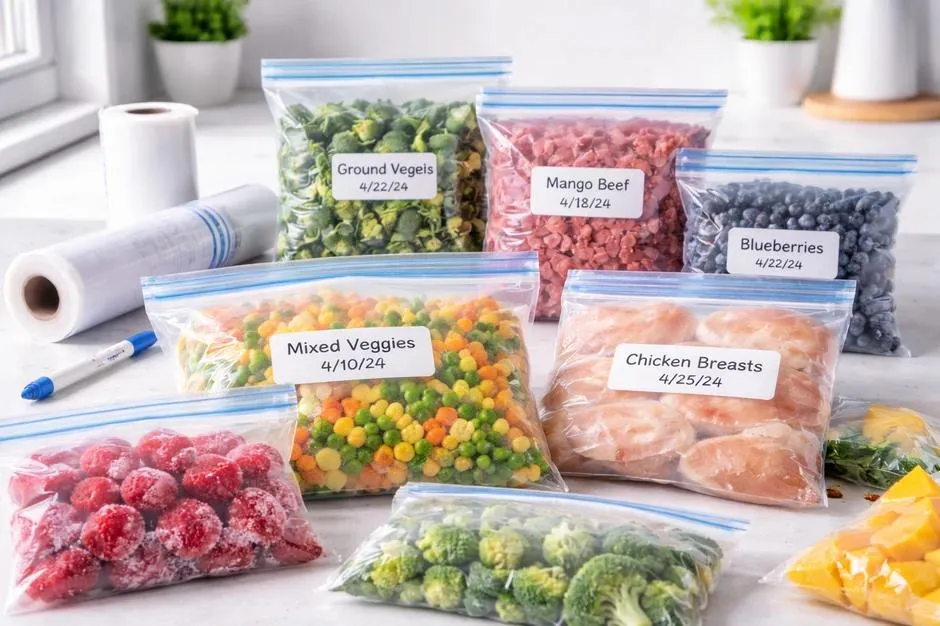
8. Thawing and using frozen pineapple
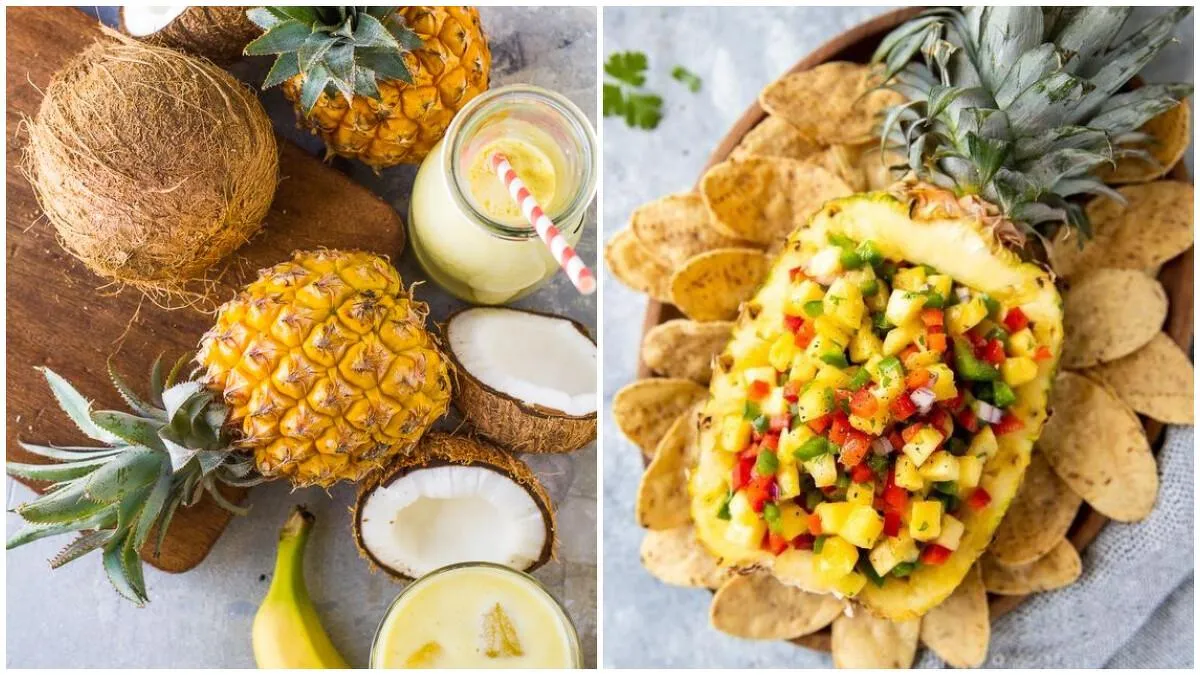
Use pineapple straight from the freezer for smoothies, or thaw in the refrigerator overnight for minimal weeping. For quick use, place sealed bags in cold water to speed thawing, or briefly microwave on a low setting if you're cooking with it immediately. After thawing, drain juice before using in baked goods or salsas to control moisture; save the juice for smoothies or sauces. Frozen or thawed pineapple shines in smoothies, sauces, stir-fries, grilled dishes, baked goods, popsicles, and salsas, but it's not ideal for fresh fruit salads where firm texture matters most.
If you're cooking, add still-frozen pieces to hot pans to sidestep sogginess and keep bright flavor. In marinades, thawed pineapple retains active bromelain, which can help tenderize; keep the contact time modest so proteins don't go mushy. For gelatin desserts, use canned or cooked pineapple instead, since frozen-thawed fruit can keep gelatin from setting. Expect some juice in the bag after thawing, treat it as liquid gold for reduction sauces, syrups, or a spritz in sparkling water.
9. Food safety and troubleshooting
For safety, freeze pineapple promptly, keep your freezer at 0°F (-18°C), and discard fruit that has partially thawed for a long time after a freezer failure per USDA food safety guidance. Clumping is usually a sign the pieces touched or were packed wet; tray-freeze in a single layer, then bag once solid. Freezer burn shows up as dry, frosty patches; trim them off or funnel those pieces into cooked recipes where texture matters less. If the thaw seems soggy, use the fruit still frozen in smoothies or slide it straight into hot dishes to bypass the texture loss. No blanching needed, blanching fruit can harm texture and isn't required.
10. Quick tips: best practices and time-savers
Prevent sticking by freezing pieces in a single layer on parchment, then transfer to bags. Portion into recipe-size packs and label with weight or cup measure plus the date so you can grab and go. Vacuum sealing holds quality longest; otherwise, squeeze out as much air as you can. Silicone trays make great popsicles or pre-portioned smoothie "pucks," and the thawed juice is perfect for sauces or as a mixer.
11. Frequently asked questions
These are the most common pineapple-freezing questions and quick answers to help you freeze, store, and use your fruit confidently.
Can you freeze a whole pineapple?
You can freeze a whole pineapple, but it's impractical because it takes lots of space, freezes unevenly, and takes a long time to thaw. For better quality and convenience, leave it whole at room temperature until ripe, then cut and flash-freeze pieces. You'll get faster freezing and easier, portionable use later.
Can you freeze pineapple slices or chunks and will they stick together?
Slices and chunks freeze very well, and they won't stick if you flash-freeze them in a single layer on a lined baking sheet first. If you pack them wet and soft directly into a bag, they'll clump. Freeze solid on the tray, then bag, remove air, and label for easy pouring later.
How long does frozen pineapple last in the freezer?
Frozen pineapple keeps best quality for 8-12 months when stored at 0°F (-18°C) in airtight packaging. It remains safe beyond that window if continuously frozen, but flavor and texture gradually decline. Rotate older packs into smoothies and cooked recipes to make the most of them.
Can I refreeze pineapple after it thaws?
You can refreeze pineapple if it was thawed in the refrigerator and kept cold, though texture and quality will decline with each freeze-thaw. Avoid refreezing fruit that warmed significantly or sat out; when in doubt, prioritize safety and use it in a cooked dish or discard.
Do I need to blanch pineapple before freezing?
No, blanching is unnecessary for pineapple and can harm texture and flavor. A hot-water step can make pieces mushy and increase weeping after thawing. Simply cut, flash-freeze on a tray, and pack in airtight containers to protect quality without any extra heat.
Note: This guidance reflects best practices used in certified food processing; TMICORP (ISO 22000, HACCP, FDA registered, BRC FOOD, HALAL) also applies rapid freezing and low-oxygen packaging in its frozen-fruit lines. These controls help preserve texture and reduce freezer burn for export.


Related Articles
Canned Pineapple Benefits: Health, Nutrition & Risks
WHAT IS CANNED PINEAPPLE?
3 Easy and Delicious Dishes You Can Make with Canned Pineapple
Discover 8 of the Best Bubble Tea Flavors Around the World!