

Canned Pineapple Benefits: Health, Nutrition & Risks
By TMICORP Editorial Team | Last updated: 2026-08-11
This article is for general informational purposes only and is not medical advice. Consult a qualified healthcare professional for guidance on your individual situation.
Quick answer: is canned pineapple good for you?
Yes, canned pineapple is generally a nutritious, convenient fruit option that can support a healthy diet, especially when you choose products packed in 100% juice or water and watch portion size. It provides vitamins, minerals, antioxidants, and fiber, though heat from canning lowers some heat-sensitive compounds.
Evidence even suggests potential immune support: in a 9-week trial, school children who ate canned pineapple daily (140 g or 280 g) showed increases in granulocytes and CD16+56 immune cells versus controls, though results varied by weight group and do not prove a fourfold change or benefits for all ages a 9-week trial of canned pineapple in school children (granulocytes and CD16+56). Ahead, you'll see what's in canned pineapple, its benefits and limits, sugar and label tips, safety notes, and smart ways to use it.
.webp)
1. Major health benefits of canned pineapple
Immune support
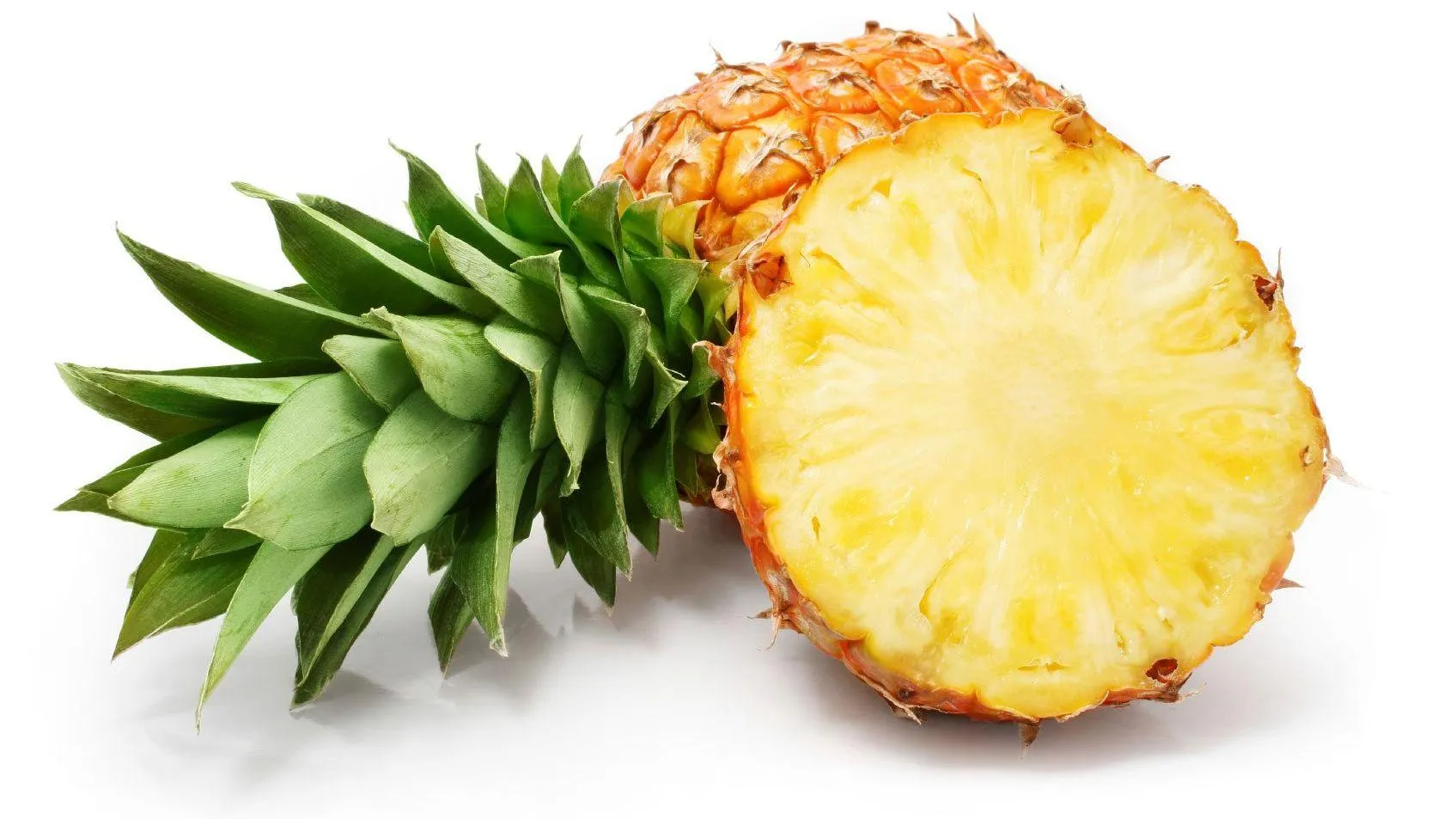
Canned pineapple can support immune function, and in a 9-week study of school children, 140 g or 280 g daily increased granulocytes by 0.77-26.61% (normal weight) and 14.95-34.55% (underweight), and CD16+56 cells by 20.44-22.13% (normal weight) and 3.57-15.89% (underweight) compared with controls. Those servings are roughly 1-2 cups of fruit, offering vitamin C plus other antioxidants that help normal immune defenses. The study population was children, the intervention lasted nine weeks, and responses differed by weight status, so you shouldn't expect a universal or "fourfold" change; still, it's a meaningful signal of benefit for a realistic daily portion Effects of canned pineapple for 9 weeks in school children.
Manganese and antioxidants
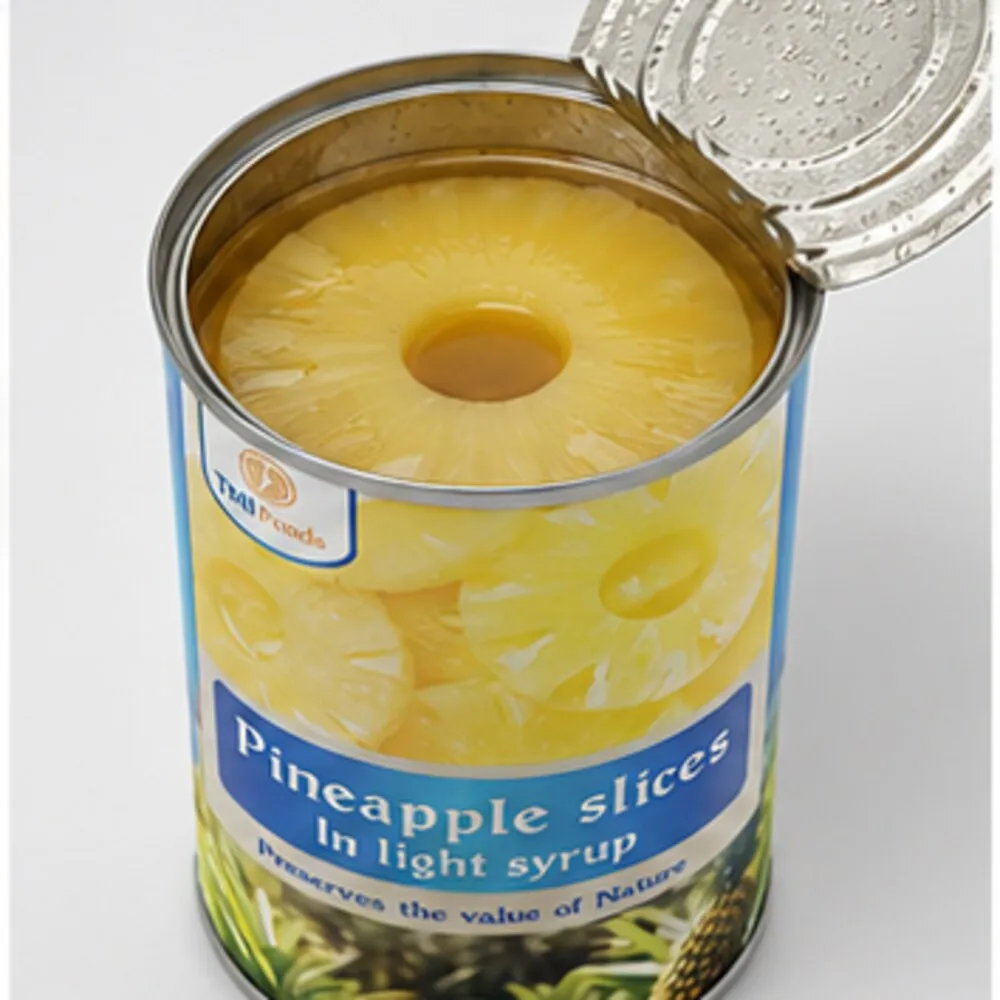
Canned pineapple is a reliable source of manganese, a trace mineral needed for antioxidant enzymes like superoxide dismutase, and it still provides polyphenols that contribute to overall antioxidant capacity. While exact amounts vary by brand and packing liquid, a drained cup commonly makes a noticeable dent in your daily manganese needs. Because minerals are heat-stable, manganese tends to hold steady through processing, so choosing 100% juice or water is more about sugars than mineral retention.
Fiber and digestive support
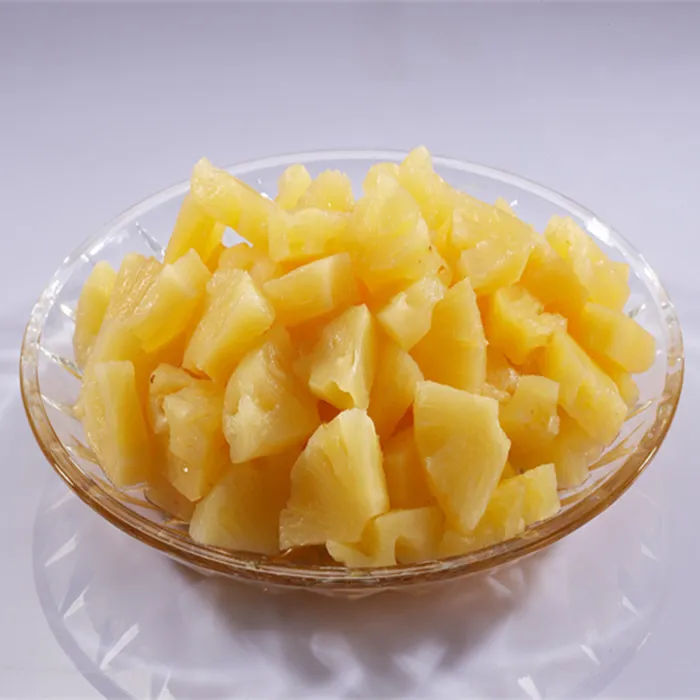
Canned pineapple supplies dietary fiber, which supports gut regularity and helps moderate post-meal blood-sugar swings when you pair it with protein or fat. You won't get as much fiber as from very high-fiber fruits, but a modest serving still moves the needle. Choose tidbits or chunks in 100% juice or water, drain well, and combine with yogurt, cottage cheese, or nuts to boost fullness and keep the overall glycemic load in check.

Potential anti-inflammatory effects (bromelain)
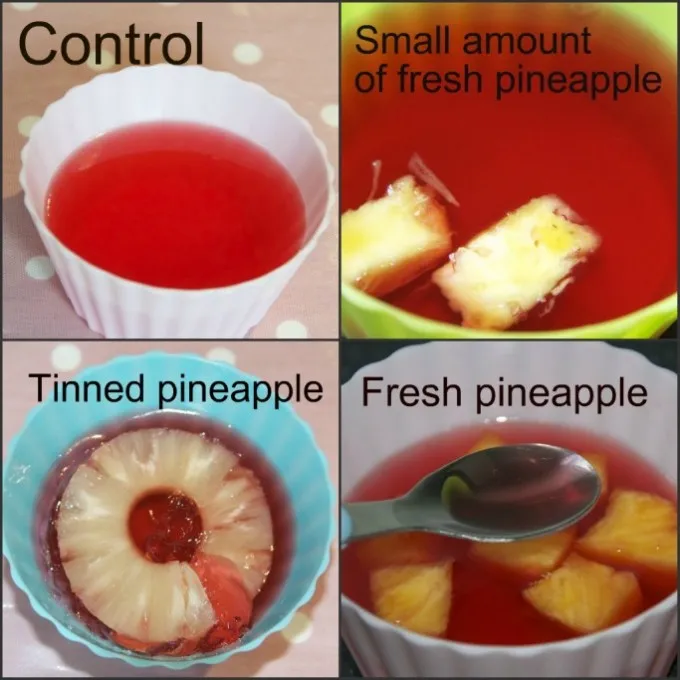
Bromelain, a proteolytic enzyme linked to anti-inflammatory actions, is largely inactivated by the heat steps in canning, so canned pineapple has much less active enzyme than fresh fruit. That means anti-inflammatory effects attributed to bromelain mostly come from fresh pineapple or supplements, not the canned product. Consider canned pineapple for its vitamins, manganese, and fiber, and view bromelain-specific benefits as limited in heat-processed fruit.
2. What changes during canning: nutrients that fall and those that remain
Canning reduces heat-sensitive nutrients like vitamin C and deactivates most bromelain, while fiber and minerals such as manganese generally remain stable because they are more heat-resistant. Thermal processing and storage time are the main drivers of these changes, and brand-to-brand results vary with fruit maturity, time to retort, and the chosen packing medium.
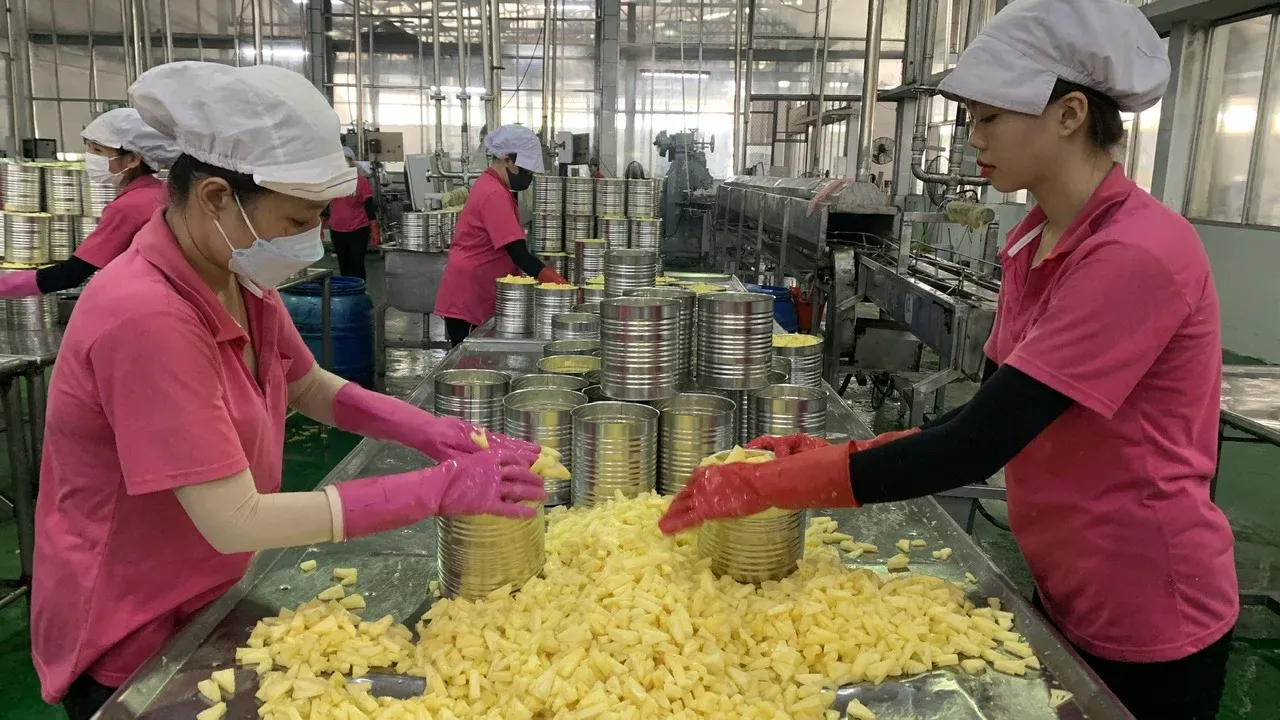
From a certified-manufacturer perspective, controlled pasteurization and retort conditions (HACCP/ISO 22000/BRC systems) help preserve texture and label-claim nutrients, but enzymes like bromelain are not expected to survive in active form. In practical terms, vitamin C is lower than in fresh fruit but still present, the exact %DV shows up on your Nutrition Facts panel, while bromelain's enzymatic activity is near-completely lost. Fiber is largely retained through heating, and manganese is largely retained too, since most minerals are stable to heat. Compared with fresh pineapple, canned versions usually keep fiber and manganese in the same ballpark, retain a meaningful share of vitamin C, and offer minimal to no active bromelain. If you're comparing labels, make sure you're matching like-for-like (drained versus undrained, and the same serving size) so differences reflect the fruit, not just the liquid in the can.

3. Canned pineapple nutrition snapshot (how to read labels)
A realistic way to gauge canned pineapple is to read labels per 100 g and per a common serving, such as about 1 cup (roughly 140 g) or a "2 slices" serving listed by many brands. The numbers that matter most are calories, total sugar, added sugars, fiber, vitamin C, manganese, and sodium, and you'll want to compare like-for-like because packing liquid (100% juice, water, or syrup) and whether a value is "drained" or "undrained" can swing the math. Calories are moderate for fruit, and fiber is present but not high, still useful for fullness and glycemic control when you pair it with protein or fat. Vitamin C and manganese remain meaningful after canning, with exact %DV varying by brand, and sodium is typically small but worth a glance. For "no added sugar," look for 100% juice or water with 0 g added sugars on the panel. To cross-check brand labels or look up generic entries, use USDA FoodData Central for reference entries on canned pineapple products: USDA FoodData Central.
4. Sugar, canned-in-juice vs canned-in-syrup, and blood-sugar effects
Canned pineapple in 100% juice or water has no added sugars, while "light" or "heavy" syrup adds free sugars that increase calories and can spike blood glucose more quickly. "Added sugars" are sugars introduced during processing (e.g., syrup), and "free sugars" include added sugars and fruit sugars in juices that are no longer within intact fruit structure.
Canned pineapple will raise blood glucose because it contains natural sugars, but you can blunt spikes by choosing "no added sugar" options, draining well (and briefly rinsing syrup-packed fruit to remove surface syrup), and keeping portions modest while pairing with protein, fat, or extra fiber such as nuts, yogurt, or chia. For quick decisions at the shelf:
- Choose no-added-sugar
- Drain; rinse syrup
- Pair and portion
.webp)
If you do use syrup-packed fruit, draining and rinsing can meaningfully lower surface sugar from the liquid, though it won't change the fruit's intrinsic sugars inside the pieces.
5. Is canned pineapple good for diabetics or for weight loss?
For many people with diabetes, a small portion of canned pineapple packed in 100% juice or water can fit into a carbohydrate-controlled plan, especially when paired with protein or fat and counted toward your carb allowance. Glycemic index is only part of the story; the glycemic load of a modest serving is the practical guide, so keep portions conservative and avoid syrup-packed versions. In meals, folding drained tidbits into cottage cheese or Greek yogurt, or serving a few chunks alongside nuts, slows absorption and makes the carbs easier to fit into your day.
For weight loss, canned pineapple can work because it's not calorie-dense for a fruit, but added-sugar products add unnecessary calories and reduce satiety. Aim for about 80-140 g at a time (roughly half to one cup), drain well, and combine with high-protein or high-fiber foods to stay fuller longer. If you use glucose-lowering medication, ask your clinician for personalized portion advice.
6. Canned pineapple juice: benefits and cautions
Canned pineapple juice delivers vitamins and minerals but lacks fiber, and its free sugars absorb faster than when you eat the whole fruit. A small glass (about 150 ml) often counts as one fruit serving in dietary guidelines, but it's still a concentrated sugar source, so limit frequency and portion size. Choose unsweetened juice, and consider using it in marinades or sauces rather than as a stand-alone drink if you're watching sugars.
7. Safety, allergies and interactions
Pineapple can cause allergic reactions or contact dermatitis in sensitive people, and its acids may irritate the mouth; stop if symptoms are significant and seek medical care for swelling, hives, or breathing issues. Bromelain may interact with blood thinners and some antibiotics, so check with your healthcare provider if you use these. To protect teeth from acidic wear, rinse with water after eating and avoid brushing for about 30 minutes. For can safety, pick intact cans, note the best-by date, and store unopened cans in a cool, dry place. Skip any can that's dented at the seams, bulging, leaking, or rusted, and never eat contents that spurt or smell off when opened. If you prefer to limit BPA, look for brands that disclose BPA-free linings.
8. How to choose, store and use canned pineapple (shopping and kitchen tips)
Choose cans labeled "in 100% juice," "in water," or "no added sugar," and scan the ingredient list for syrups or preservatives you don't want. Prefer brands that clearly state drained weight, serving size, and %DV for key nutrients, and consider BPA-free packaging. Once opened, transfer leftovers to a clean, sealed container and refrigerate; use within 3-5 days.
To keep sugars in check in the kitchen, drain well and spoon chunks over plain Greek yogurt with chopped nuts, toss tidbits into a chicken-avocado salad for sweet-savory contrast, blend a small portion into a spinach-ginger smoothie with a spoon of fiber-rich seeds, or thread chunks on skewers with bell pepper and grill, brushing with a light soy-lime glaze. Each of these adds protein or fiber, so the fruit's natural sugars land more gently.
From a producer's view, processing choices affect labels: retort controls, fill/drain weights, and packing media all change nutrients shown on Nutrition Facts. As a certified manufacturer and exporter (ISO 22000, HACCP, FDA registered, BRC FOOD, HALAL), TMICORP builds these controls into sourcing and canning, which is why %DV figures can legitimately differ across brands.
9. Limitations of the evidence and what we don't know
Many health claims rely on single studies or specific populations; the best-known canned-pineapple trial involved school children, used daily intakes of 140-280 g for nine weeks, and showed percentage increases (not multi-fold surges) in certain immune cells, so results may not generalize to adults or different diets. Bromelain research often uses fresh fruit or supplements, not canned. Treat canned pineapple as one helpful fruit within an overall balanced pattern.
10. Frequently asked questions
How much canned pineapple is safe to eat each day?
Most people do well with 80-140 g at a time and up to about 280 g per day if it fits your calorie and carbohydrate goals. A 9-week study used 140 g and 280 g daily and reported immune cell increases in children, but that doesn't mean more is always better; prioritize no-added-sugar versions and moderate portions (9-week canned pineapple doses and outcomes).
Does eating canned pineapple help iron absorption?
Yes, vitamin C enhances non-heme iron absorption from plant foods, and canned pineapple provides vitamin C even after canning losses. Use it as a companion to beans, lentils, tofu, or spinach to help your body use that iron more effectively. This is an aid to absorption, not a substitute for iron therapy if you're deficient, see your clinician for testing and treatment.
Will draining and rinsing canned pineapple remove sugar?
Draining and a brief rinse remove much of the syrup clinging to the fruit surface, which lowers added sugars from the packing liquid, but they won't reduce the natural sugars inside the pineapple pieces. For the biggest impact, start with products packed in 100% juice or water and then drain well.
Can canned pineapple cause digestive upset or mouth irritation?
Yes, some people notice mouth tingling or irritation from pineapple's acids, and a few experience digestive upset. Canned fruit has far less active bromelain than fresh, so enzyme-related mouth irritation is usually milder with canned, but stop if symptoms are bothersome and seek care for any signs of allergy. Pairing pineapple with yogurt or other dairy can also soften acidity on the palate.


Related Articles

WHAT IS CANNED PINEAPPLE?
3 Easy and Delicious Dishes You Can Make with Canned Pineapple

Discover 8 of the Best Bubble Tea Flavors Around the World!
What is Canned Mango?