
Vietnam Lunar New Year 2026: How Do We Celebrate Tet Holiday?
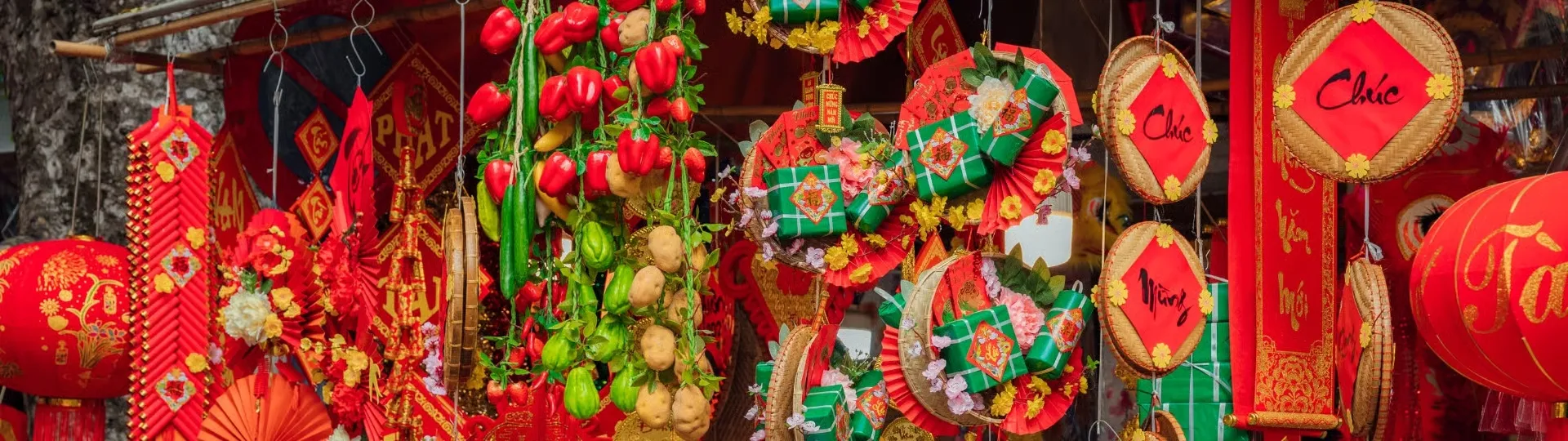
The start of Tet holiday
Even though the cultural part of Tết can last for weeks (from the Kitchen God Day until the First Full Moon), the official holiday is shorter. For 2026, the government has announced a 9-day break.
The official holiday runs from February 14 to February 22, 2026. These days cover the most important traditions and give people enough time to travel home, celebrate with family, and rest. This nine-day break is longer than the usual seven-day holiday in some years, so many workers are very happy about it. Because of this long break, many businesses and services will be closed or operate less than usual during this time.
Day-by-Day Preparations and Rituals (Leading to Tết)
The preparation period is usually the busiest time. It officially begins with Kitchen God Day (Ông Táo), which falls on February 10, 2026. On this day, families make offerings and release live carps into rivers or lakes. These carps are believed to carry the Kitchen Gods to heaven, where they report on the family’s behavior from the past year.
In the days after this, everyone becomes very active and busy:
Cleaning the house: Families clean every corner to welcome new luck and positive energy.
Preparing offerings: One of the most important offerings is the five-fruit tray placed on the ancestor altar. The Vietnamese five-fruit tray, or Mâm Ngũ Quả, shows gratitude and wishes for health and prosperity. The fruits can be different depending on the region.
- In the North, people often use bananas, pomelos, and kumquats.
- In the South, families like to use papayas, coconuts, and mangoes.
Making Bánh Chưng: Families prepare Chung cake, the traditional sticky rice cake. This savory square cake is a symbol of Tết and must be included in the holiday meal.
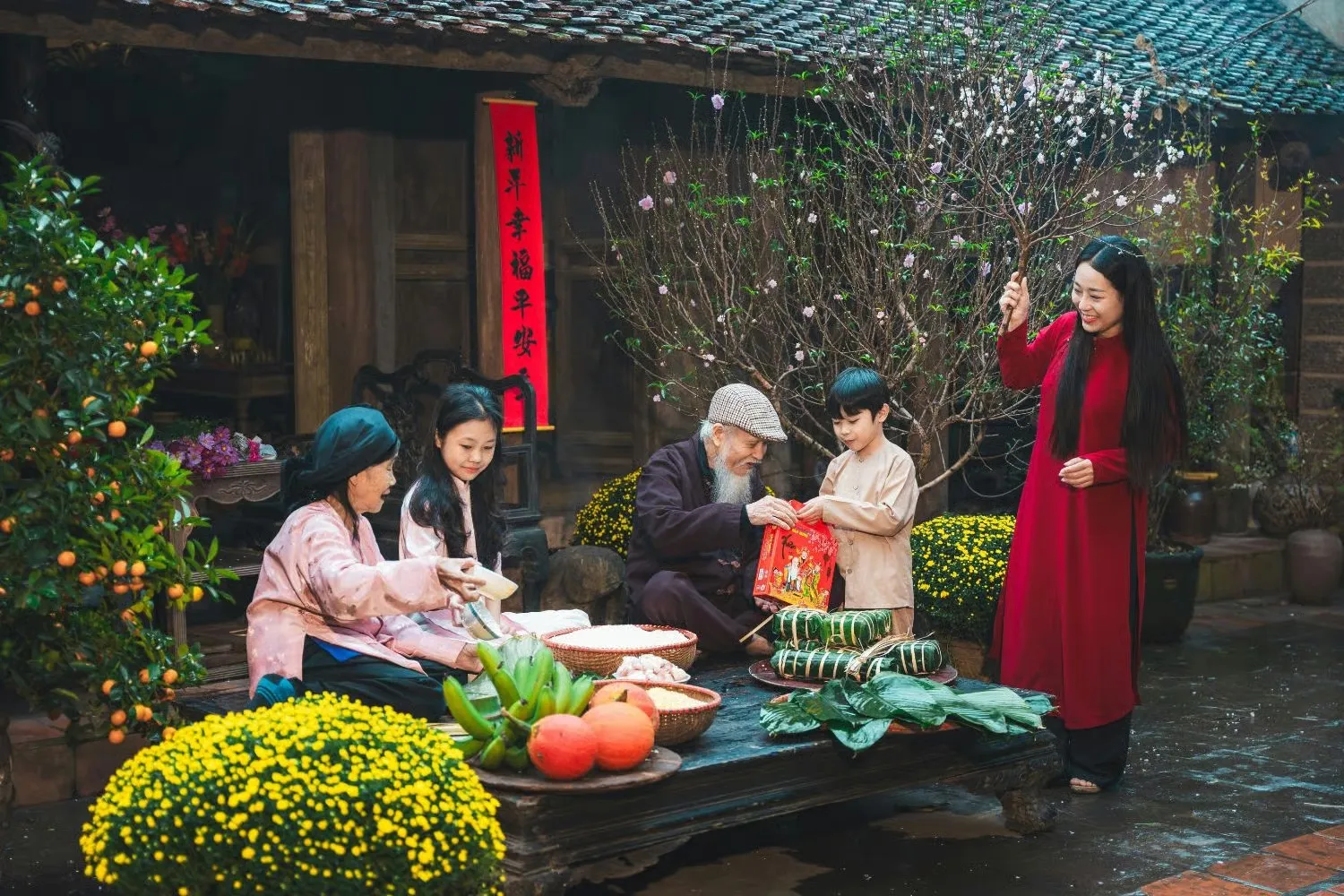
Source: https://oxalisadventure.com/vietnamese-new-year-tet-what-to-expect/
Traditional Foods for Modern Tet Celebrations
Alongside homemade dishes, many Vietnamese families today also rely on convenient and ready-to-serve foods to prepare for Tet more efficiently. Popular Tet essentials include pickled cucumbers, which help balance rich holiday meals, dried foods for snacking and gifting, traditional cakes for family gatherings, and chili sauce to enhance flavors in festive dishes. These products not only save preparation time but also preserve familiar tastes that generations associate with Lunar New Year celebrations.
Find more about our Tet food products here: https://tmicorpgroup.com/
The Main Days: Visits and Greetings (February 17–19, 2026)
The evening of February 16 is New Year’s Eve (Giao Thừa). This is the highlight of all the preparations, leading to the big Family Reunion feast. On this night, people believe that the spirits of their ancestors return home, so families set a full tray of food to welcome them and let them enjoy Tết with everyone.
Xông Đất: Right after midnight, the Xông Đất ritual takes place. The first visitor of the year is carefully chosen because it is believed they will bring good luck and prosperity to the household for the whole year.
Day 1 (February 17): Focus is on the father’s side of the family. Young family members visit elders, give lucky money, and share wishes for longevity and happiness.
Day 2 (February 18): Families visit the mother’s side.
Day 3 (February 19): Traditionally, this day is for visiting and showing respect to teachers, who are highly valued in Vietnamese culture.
The Close of the Festival: The final important date is Tết Nguyên Tiêu on March 3, 2026. This is the First Full Moon of the year. People often visit pagodas and temples to pray for success and health. My mother, for example, visits her local temple on this day every year to pray for peace for our family. Lunar New Year marks the arrival of Spring.
Do’s and Don’ts for Maximum Luck and Prosperity
Good Luck Practices
Red is Key: The color red is the color of luck and fortune. Red Color signifies Luck and Prosperity. This is why people wear red clothing and serve red foods, like watermelon.
The Gift of Lì Xì: Giving a Red Envelope contains Lucky Money. Lì Xì is given to Children and Younger Relatives. The cash inside must be brand new and crisp! Families exchange Lucky Money as a symbol of transferring luck.
.webp)
Source: https://rentabikevn.com/lucky-money-li-xi-fascinating-story/
Honoring Ancestors: Burn incense and give offerings for ancestors to pray for their blessing.
Symbolic Decor: Decorating homes with a Kumquat Tree (symbolizes Fertility, Abundance) or an apricot/peach blossom tree symbolizes welcoming spring and prosperity.
Bad Luck Taboos
These are things you must absolutely avoid:
No Sweeping: You must not sweep the house on the first day, as this is believed to sweep your wealth and fortune right out the door.
No Cutting Hair: Cutting hair or nails is believed to bring bad luck or bad health and wealth.
Money Matters: Visitors are advised to book Hotels Early but also to avoid borrowing or paying back money to prevent poverty and debt in the new year.
Keep the Peace: Quarreling, swearing, or breaking objects (like bowls, cups, or mirrors) should be avoided to prevent bad luck or separation in the family. I once saw someone accidentally break a glass, and the look of dismay was intense!
In conclusion, Lunar New Year (Tết Nguyên Đán) is more than just the start of a new calendar year - it is a meaningful celebration of family, tradition, and new beginnings. It brings people together to honor their ancestors, strengthen relationships, and look forward to the future with hope and positivity. Through its customs, foods, and festive spirit, Tết reflects the cultural values of unity, gratitude, and prosperity that continue to be passed down from generation to generation.

Related Articles
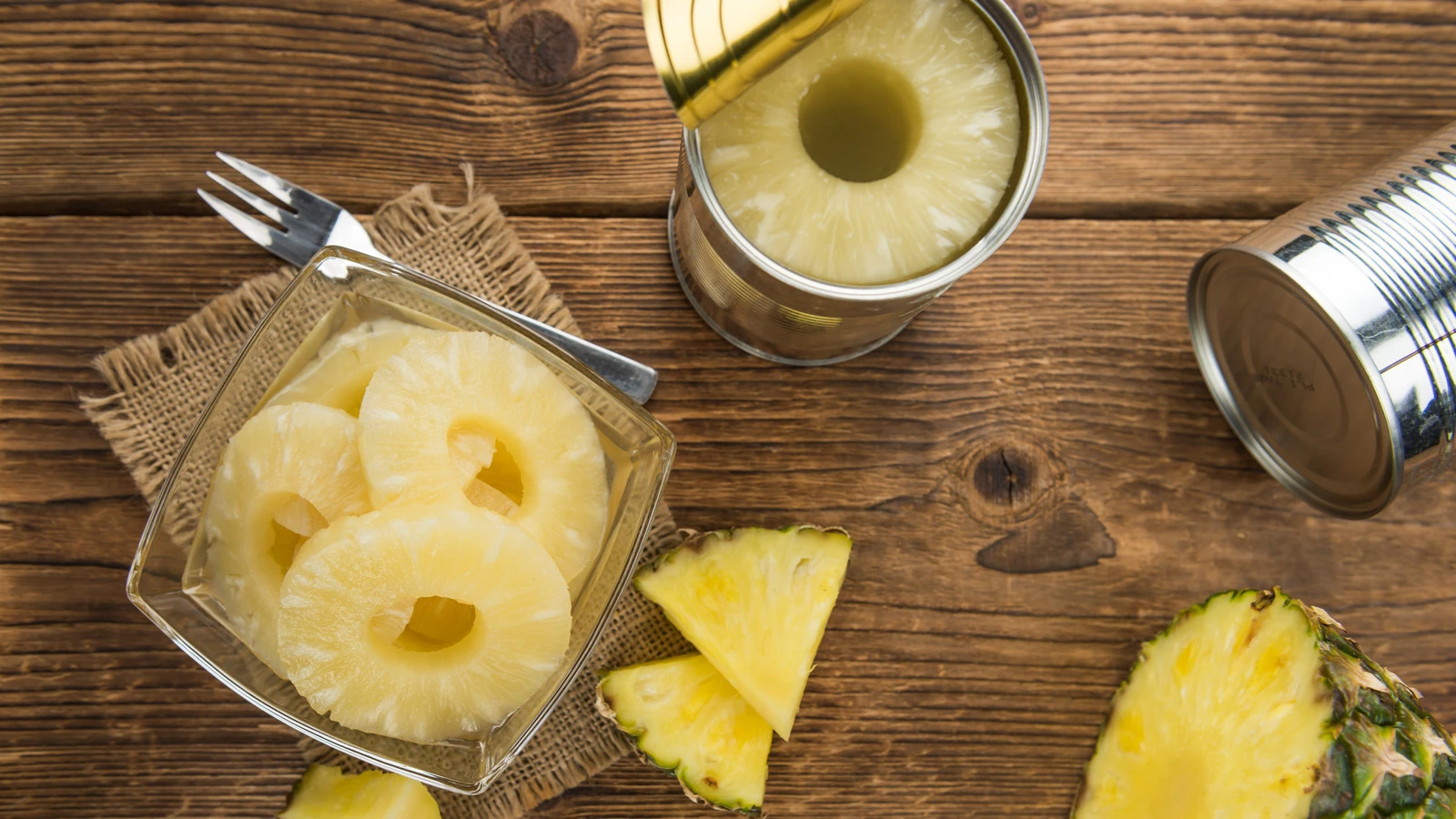
Canned Pineapple Benefits: Health, Nutrition & Risks
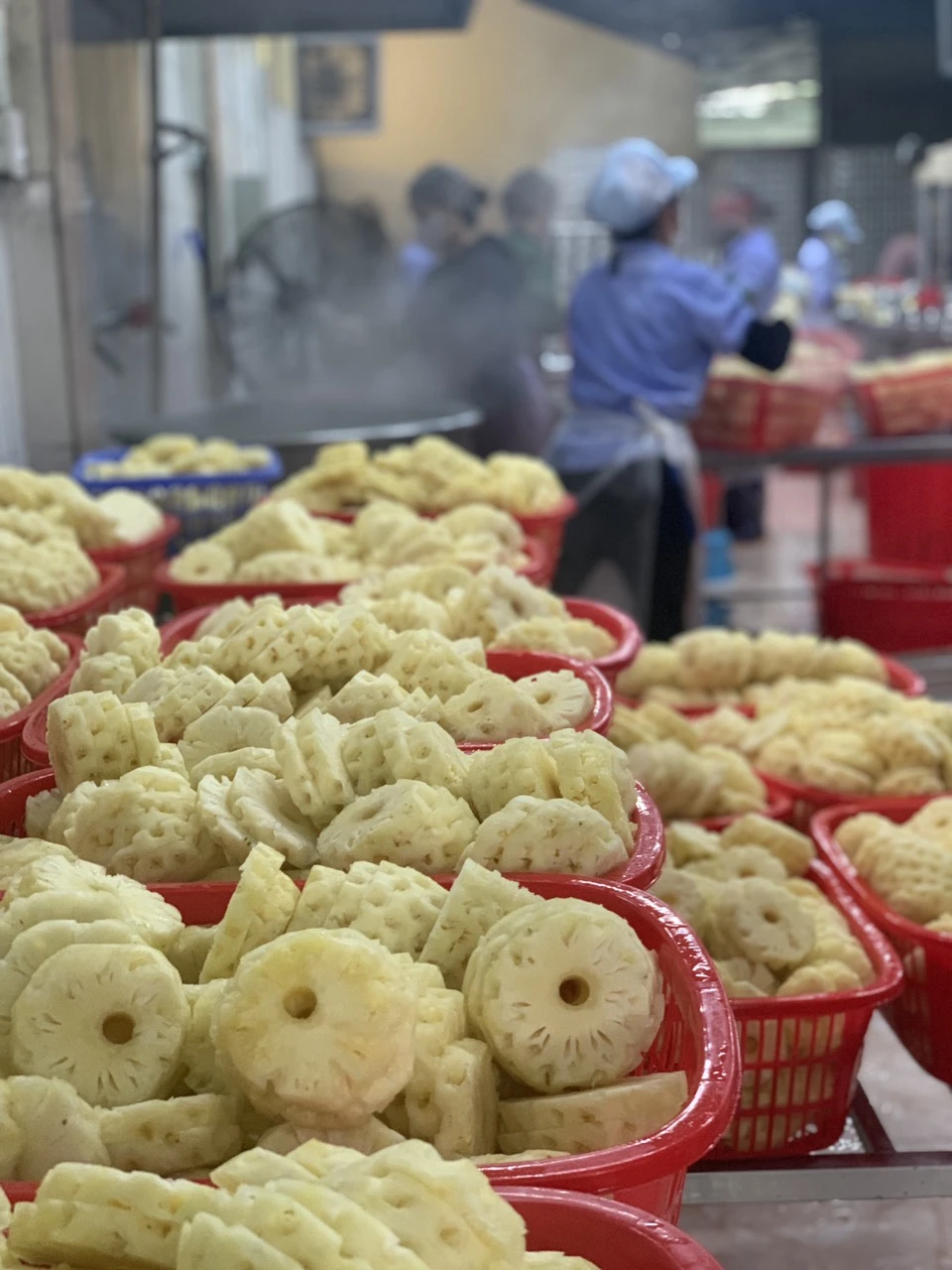
WHAT IS CANNED PINEAPPLE?
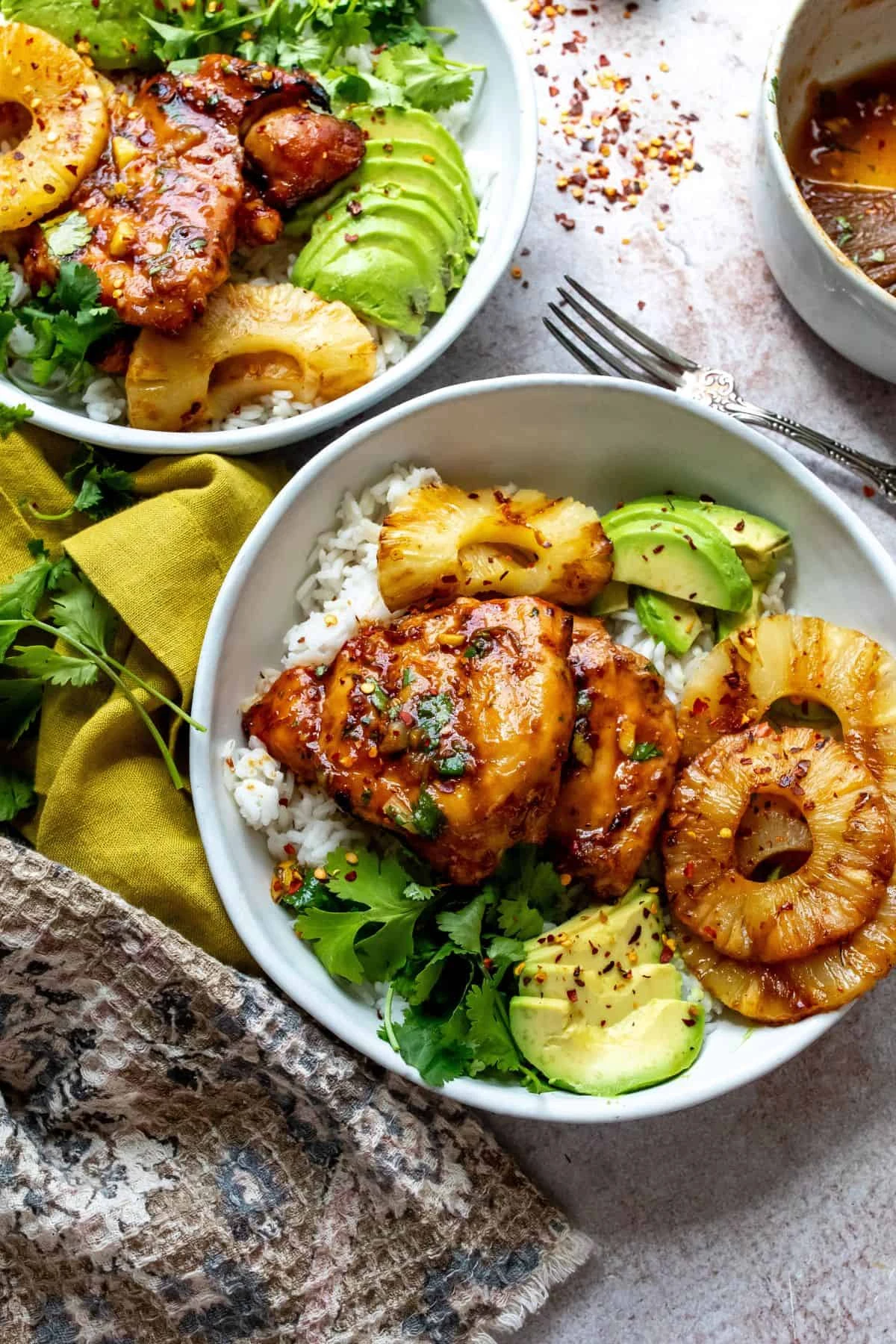
3 Easy and Delicious Dishes You Can Make with Canned Pineapple
Discover 8 of the Best Bubble Tea Flavors Around the World!