
How to Cut Pineapple
By TMICORP Editorial Team | Last updated: 2026-08-04
1. Quick answer: Cut a pineapple in 3 simple steps
Cut a pineapple in 3 steps: remove the top and base, peel off the rind and eyes, then core and slice into the shapes you want.
For how to cut a pineapple fast, trim off the crown (top) and about 1/2 inch from the base (bottom) to make stable flats. Stand it upright and shave off the rind/skin in vertical strips, then remove the brown eyes with small angled cuts. Finish by quartering lengthwise and slicing out the fibrous core from each wedge, then cut up a pineapple into rings, slices, chunks, or cubes/dice to suit your recipe.
2. Tools you'll need and safety tips
You need 6 basics: a chef's knife, a serrated or flexible knife, a paring knife, a sturdy cutting board, a pineapple corer/slicer (optional), and a small jar or cookie cutter. A chef's knife does the heavy lifting, lopping off the crown and base, peeling, and quartering, while a flexible serrated knife hugs the curve of the fruit to skim away peel and eyes with less waste. Keep a sharp paring knife for fine work: tracing out eyes, trimming the core from rings, or squaring edges into neat cubes.
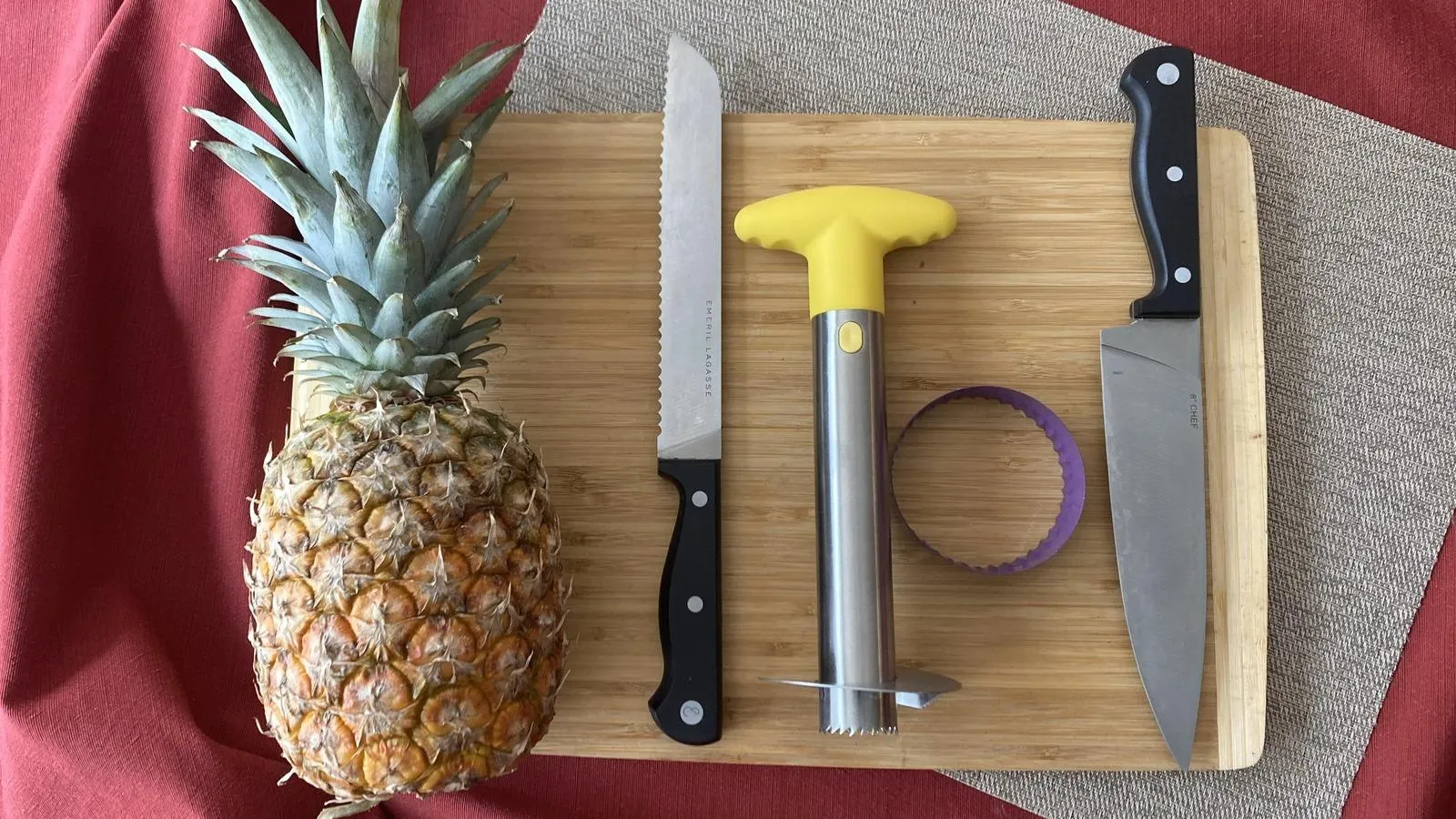
For how to cut pineapple with knife safely, use a stable board (place a damp towel under it), keep knives sharp to reduce slips, curl fingers, and always cut away from your hand. Give yourself room: stand the fruit upright whenever you can so the blade travels straight down along the flesh. A corer/slicer is helpful if you love perfect rings, but a knife set gives you the most control, especially for chunks or decorative cuts. For commercial buyers, TMICORP offers low-MOQ OEM/ODM for pineapple-processing tools.
3. How to choose a ripe pineapple before you cut it
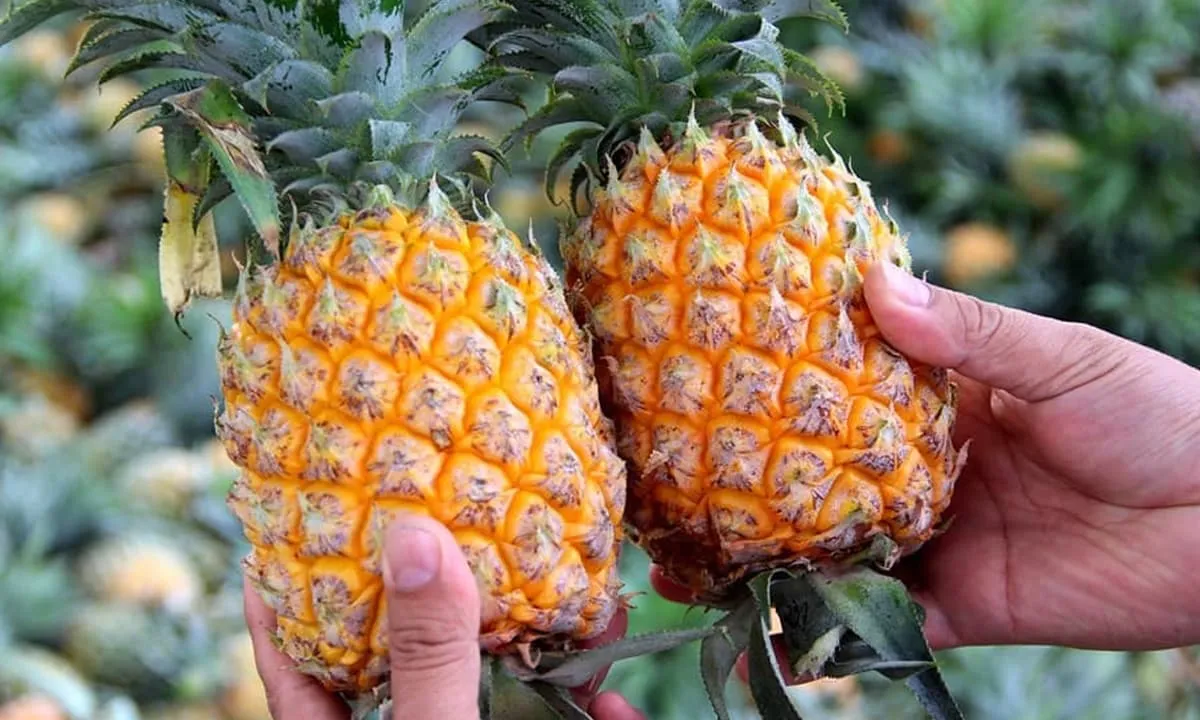
Pick a pineapple that smells sweet at the base, feels firm with a slight give, and has green, resilient leaves. Color alone isn't reliable, some ripe fruit stays greenish, so let aroma and feel lead you when deciding how to cut a fresh pineapple today vs. waiting. Pineapples don't significantly ripen after harvest, so buy one that's ready: avoid fermented or vinegar-like smells, wrinkled skin, or dry, browning leaves. A heavy fruit for its size usually indicates juiciness, which helps whether you're slicing, chopping, or coring. If you're between two, choose the one with the brighter, tauter skin and the richer scent at the stem end; those cues translate to better texture once you start trimming.
If you're unsure whether your pineapple is ready to cut, learn How to Tell When a Pineapple Is Ripe before preparing it.
4. Step-by-step: Prep, remove crown and base and peel
Start by laying the pineapple on its side, then slice off the crown and about 1/2 inch from the base to create flat, stable ends. Stand it upright and, using a chef's knife held just under the rind/skin, shave downward in vertical strips, following the curve, aim to remove only the peel and most of the brown eyes without wasting flesh. For stubborn eyes, make small angled cuts, or carve shallow V-shaped grooves along the diagonal eye lines to lift them out efficiently. For how to peel a pineapple cleanly, keep your knife at a slight inward angle and take thin passes. Bonus: you can try planting the crown. If you prefer tidier sides for presentation, switch to a flexible serrated knife for a final skim to smooth any rough patches.
5. Step-by-step: Core and quarter for chunks, cubes or slices
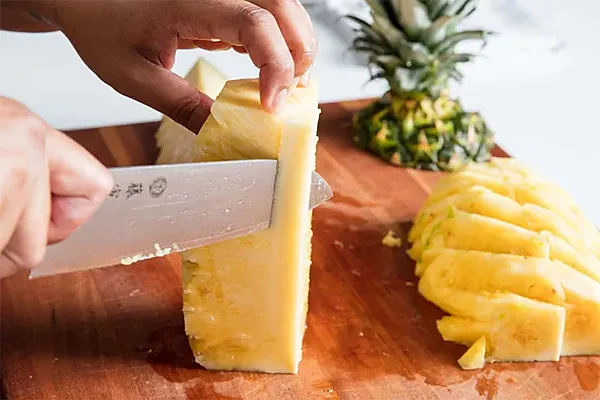
For the most control, quarter the pineapple lengthwise, then lay each wedge on its side and slice off the fibrous core (you'll see the paler, firm triangle at the center). This quartering method is ideal for how to core a pineapple neatly and then cut a whole pineapple into sticks, chunks, or cubes with minimal waste. For speed or round slices, use the slice-through method: cut the peeled pineapple into crosswise rounds with the core still in, then remove the center from each round with a paring knife or small cutter. Choose quartering for meal prep and precision; choose slice-through for presentation rounds. If you're new to coring, start with quartering, seeing the core's shape in profile makes it easier to remove just enough without digging into the sweetest flesh.
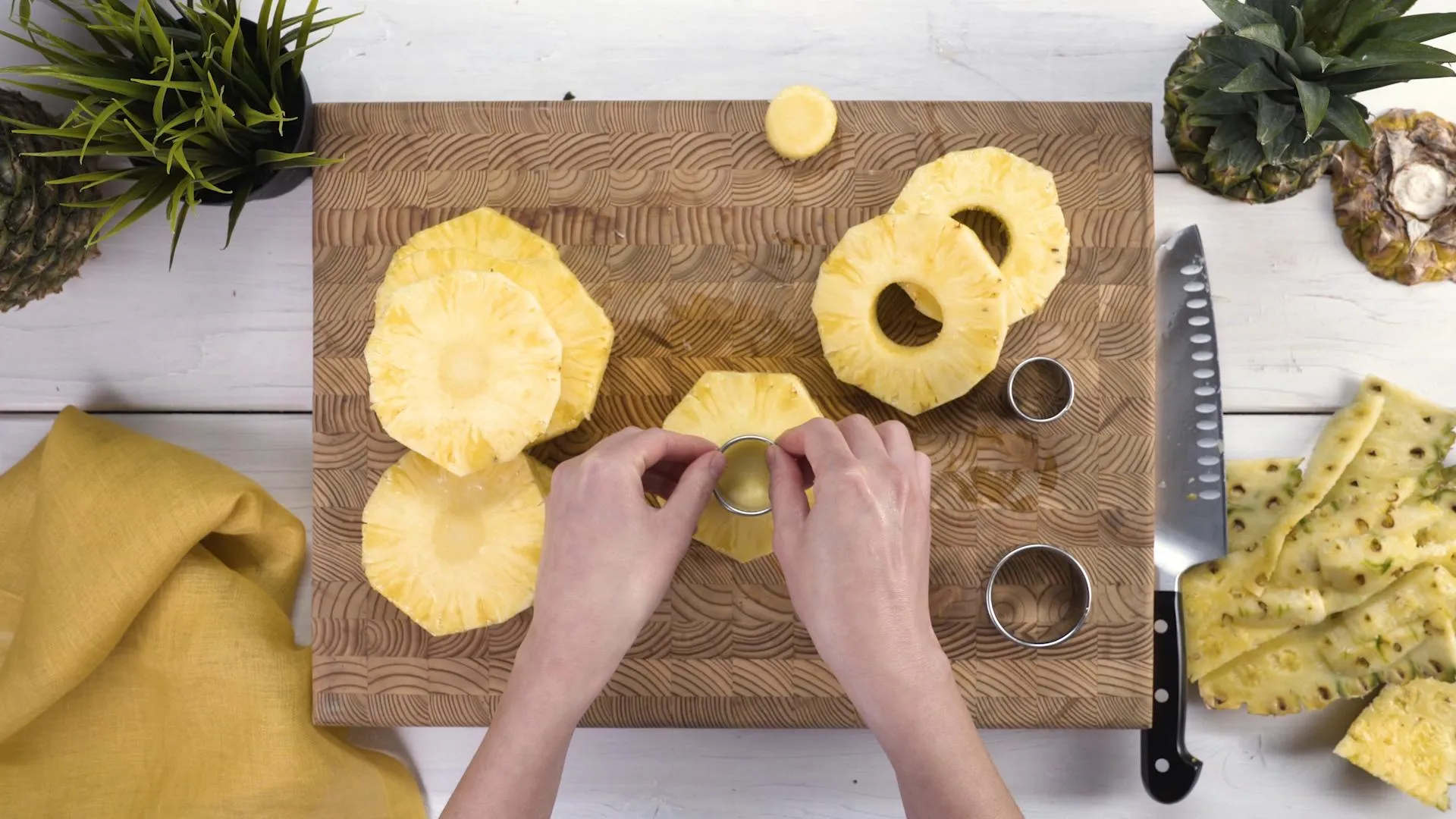
To cut pineapple into rings fast, use a pineapple corer/slicer: center it over the core, twist straight down to the base, then pull up to remove a stack of even rings; detach the core and slice the spiral into individual rings. For a knife-only method, cut crosswise rounds while the fruit lies on its side, then punch out the core using a small glass rim or cookie cutter. Corers are quick and tidy with uniform results, but may leave a bit more waste; the knife-and-cutter method is slower yet flexible for thickness and decorative cuts. Thicker rings stand up to grilling and pan-searing; thinner ones layer neatly on cakes and tarts.
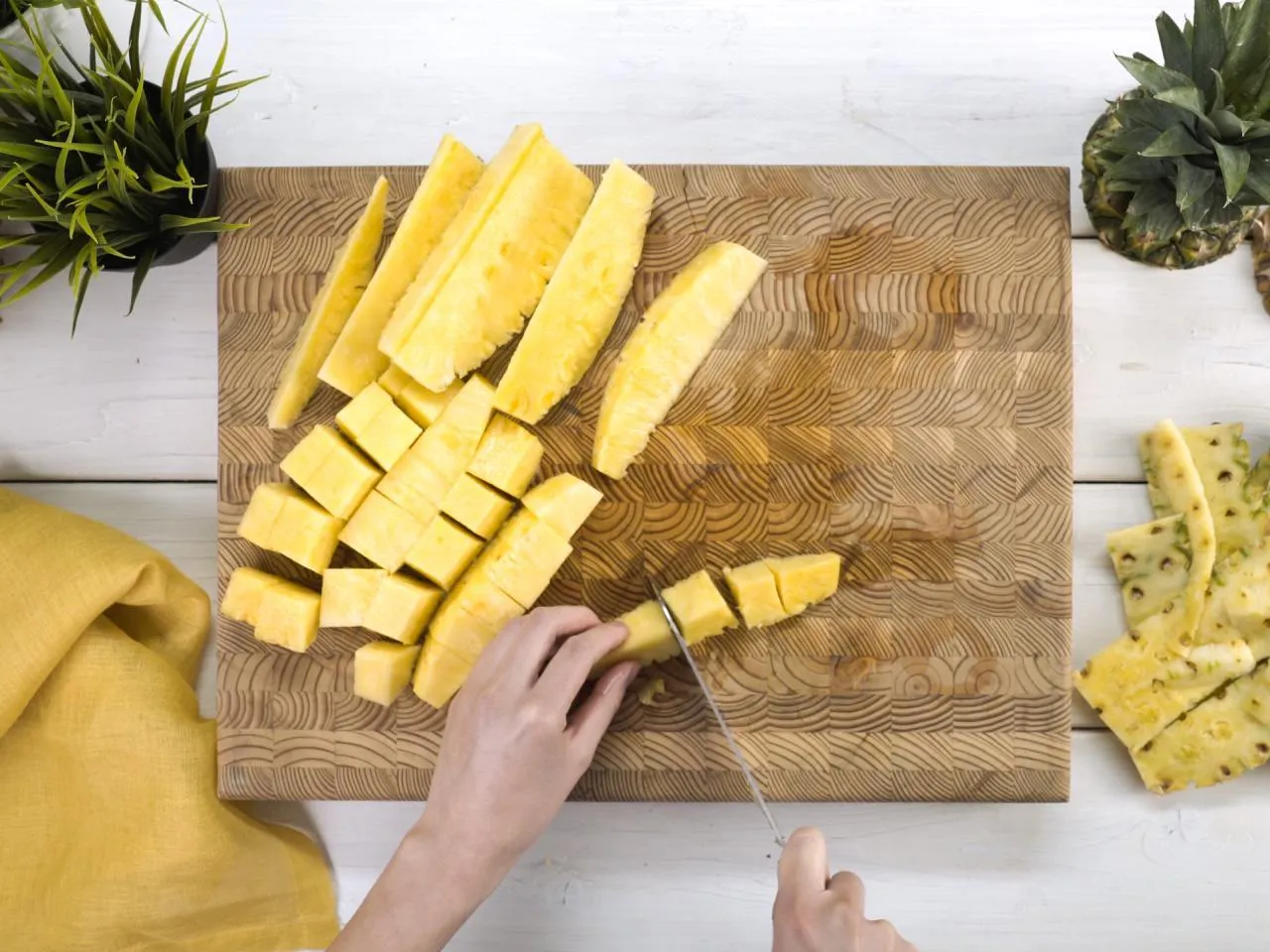
For uniform pieces, first core the fruit (quartering method), then cut each wedge into long slabs and crosswise into equal cubes. For larger chunks (snacks, roasting, grilling), keep slabs thicker; for medium cubes (salsas, salads), aim for about 1/2- to 3/4-inch pieces; for fine dice (sauces, smoothies), switch to a paring knife for precise chopping. To keep sizes consistent in how to cut pineapple into chunks, how to cut pineapple into cubes, or how to dice a pineapple, square off edges before cross-cutting and stack slabs for faster, even passes. These shapes work across snacks, salsas, and smoothies. If you're batching for the week, portion cubes by use, bigger for grilling, small for quick-fix salsas, and stash separately.
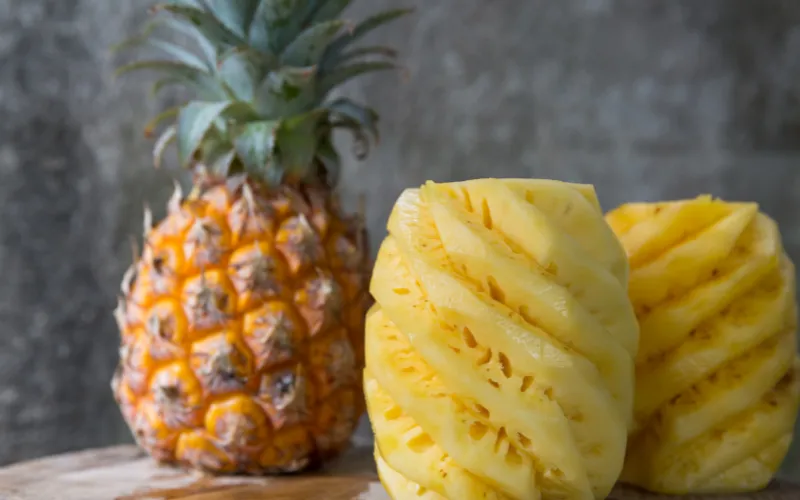
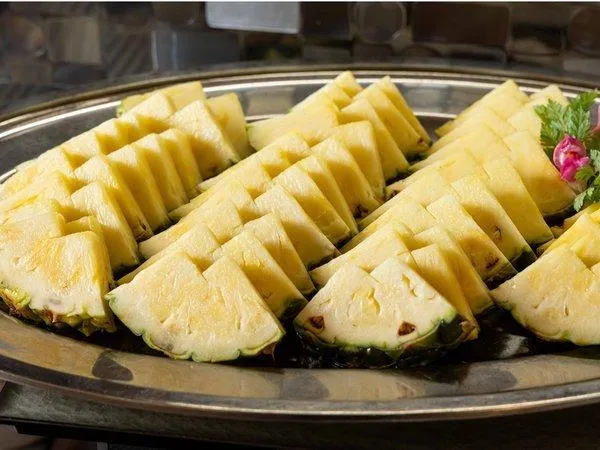
For boats, quarter the pineapple, run the knife between flesh and skin to separate, then return the flesh to the shell and slice crosswise for easy serving, great for party platters or presentation serving in shell. The spiral cut removes brown eyes with decorative V-grooves along their diagonal lines, leaving a sculpted look for centerpieces. Simple wedges are fast: after quartering and coring, slice each spear into angled pieces for snacking. Use these when display matters more than speed. Keep a towel handy to blot surfaces; dry fruit slices take on a cleaner edge.
9. Tools & gadget guide: corers, slicers, electric options and pros/cons
Manual pineapple corers/slicers are fast and make uniform rings but can leave extra flesh on the shell and require thorough cleaning. A dedicated pineapple knife or a flexible serrated knife excels at peeling curved surfaces and trimming eyes with less waste. Electric corer attachments speed up large batches but add parts to clean and store. Buy a corer if you frequently make rings or entertain; otherwise, a chef's knife plus paring knife handles most jobs with maximum control and minimal waste. If you're space-limited, skip single-task gadgets and invest in a sharp, mid-weight chef's knife, it will outwork any specialty tool for everyday prep.
10. Storage: how long cut pineapple lasts and freezing tips
Refrigerate cut pineapple in an airtight container and use within 3-7 days for best flavor and texture; if you need longer, freeze pieces for up to 6 months. For best freezing, spread chunks on a lined tray to freeze individually, then transfer to freezer bags (or submerge in pineapple juice) to reduce freezer burn; thaw overnight in the fridge or briefly at room temp for smoothies. Whole fruit can sit at room temperature for several days, but if you won't eat it soon, refrigeration helps preserve quality for about 3-5 days, retailer guides differ because room temp favors readiness while chilling slows changes. As a food safety best practice, keep cut surfaces clean, chill promptly, and use clean, airtight containers. Drawing on HACCP habits at TMICORP (ISO 22000, BRC FOOD, HACCP, FDA registered), we prioritize quick chilling and sealed packaging to limit quality loss. If you notice a fermented scent or slick surface, it's past its best, use frozen backup instead.
11. Common hacks and myths (does the rolling trick work?)
Viral "rolling" or "pulling spikes" tricks rarely work on standard pineapples and often mash the flesh; a sharp knife is faster, cleaner, and more reliable. The pull-apart hack may work only with very ripe, small-variety fruit and a precise spiral-eye trim, which most shoppers won't have. For how to open a pineapple without frustration, stick to the simple cut-peel-core methods for consistent results and less waste. If a video promises zero-knife pineapple, assume mess ahead and plan for backup rings.
12. Quick recipe ideas and uses for cut pineapple
Turn chunks into fruit salad or salsa; blend cubes/dice into smoothies; grill spears or rings for caramelized sides and burgers; fold small dice into upside-down cake, cobbler, or frozen desserts. Use shells as tropical bowls for fruit salad or fried rice. For preserving, consider canning or freezing, just cut to the size your recipe needs before packing. Save firm cores for smoothies or to infuse water and syrups; they bring aroma without extra sweetness.
13. Frequently asked questions (FAQ)
Can I cut a pineapple without a corer?
Yes, slice rounds, then remove the core from each with a small cookie cutter, jar rim, or a paring knife. Or skip rounds: quarter lengthwise, slice off the core from each wedge, and cut into sticks, chunks, or cubes. These knife-only methods are quick, low-waste, and don't require special tools.
Is pineapple core edible and should I remove it?
Yes, the core is edible but denser and less sweet than the surrounding flesh, so most people remove it for fresh eating. Keep it for smoothies, juicing, or cooking, where its firmness softens and blends well. If you like extra chew, thinly slice it and include small bits in fruit salads.
How long will cut pineapple keep in the fridge?
Cut pineapple keeps 3-7 days in an airtight container in the refrigerator. Discard if you notice a fermented smell, excessive softness, or surface slime. For longer storage, freeze pieces (ideally tray-frozen first or packed in juice) and use within 6 months.
What's the easiest way to remove the eyes without wasting fruit?
Cut shallow, diagonal V-shaped grooves that follow the pineapple's spiral eye lines, lifting out multiple eyes in one pass. A flexible serrated or sharp paring knife held at a slight inward angle helps control depth, saving more flesh. See the spiral method above for a decorative option.
Are pineapple corers worth it for home cooks?
They're worth it if you often serve uniform rings or prep multiple pineapples for parties, corers are quick and consistent. If you only cut a pineapple occasionally, a chef's knife and paring knife are cheaper, easier to clean, and waste less. Consider storage space and cleanup before buying.
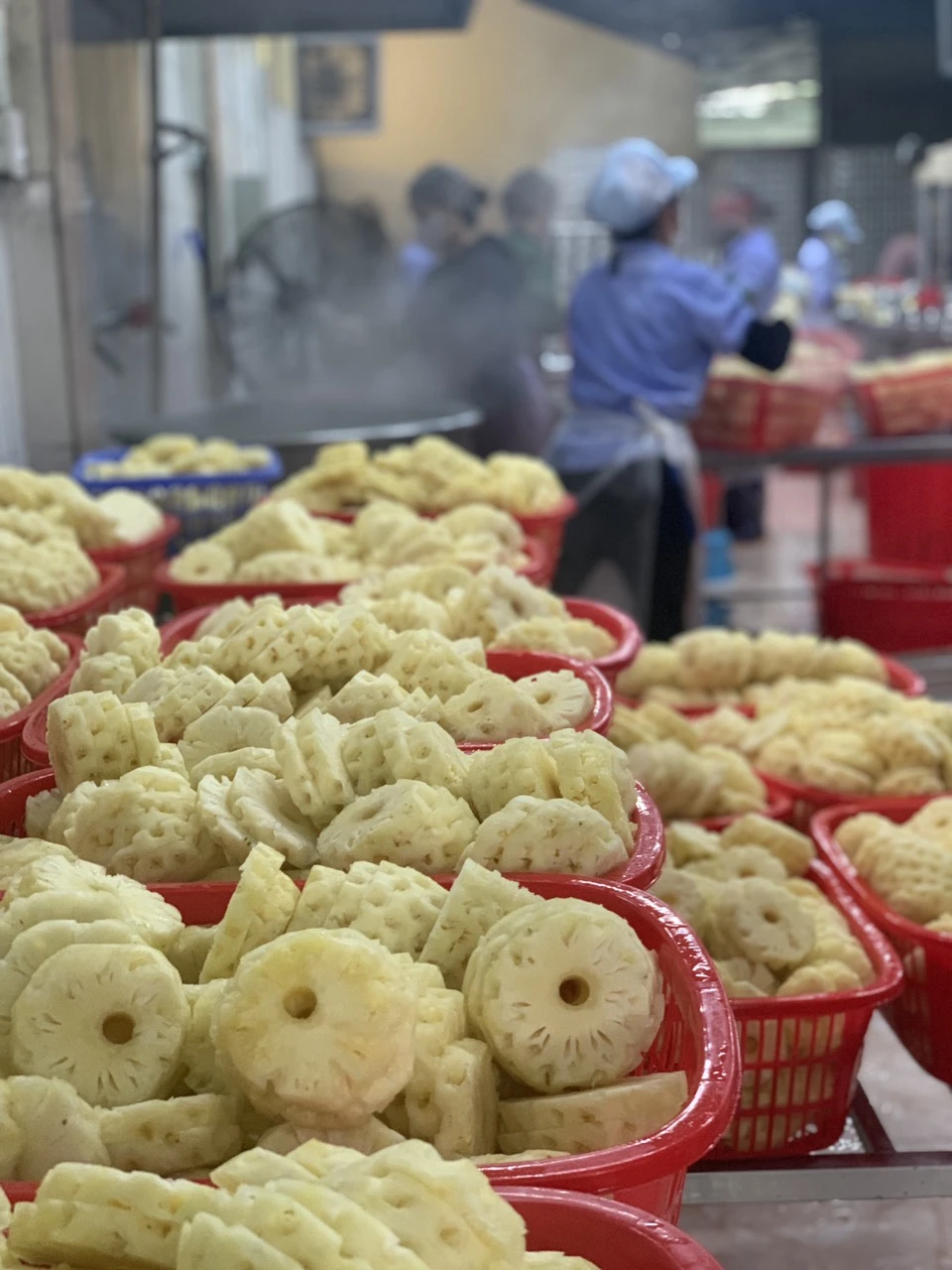
TMICORP is a trusted manufacturer and exporter of processed pineapple products, including canned, IQF frozen, and dried pineapple. Our facilities operate under ISO 22000, BRC FOOD, and HACCP systems and are FDA registered, ensuring consistent quality and food safety for customers worldwide.



Related Articles
Canned Pineapple Benefits: Health, Nutrition & Risks
WHAT IS CANNED PINEAPPLE?

3 Easy and Delicious Dishes You Can Make with Canned Pineapple

Discover 8 of the Best Bubble Tea Flavors Around the World!