
Cinnamon: Types, Uses, Benefits & Risks
By TMICORP Editorial Team | Last updated: 2026-09-07
This article is for general informational purposes only and is not medical advice. Consult a qualified healthcare professional for guidance on your individual situation.
1. What is cinnamon?
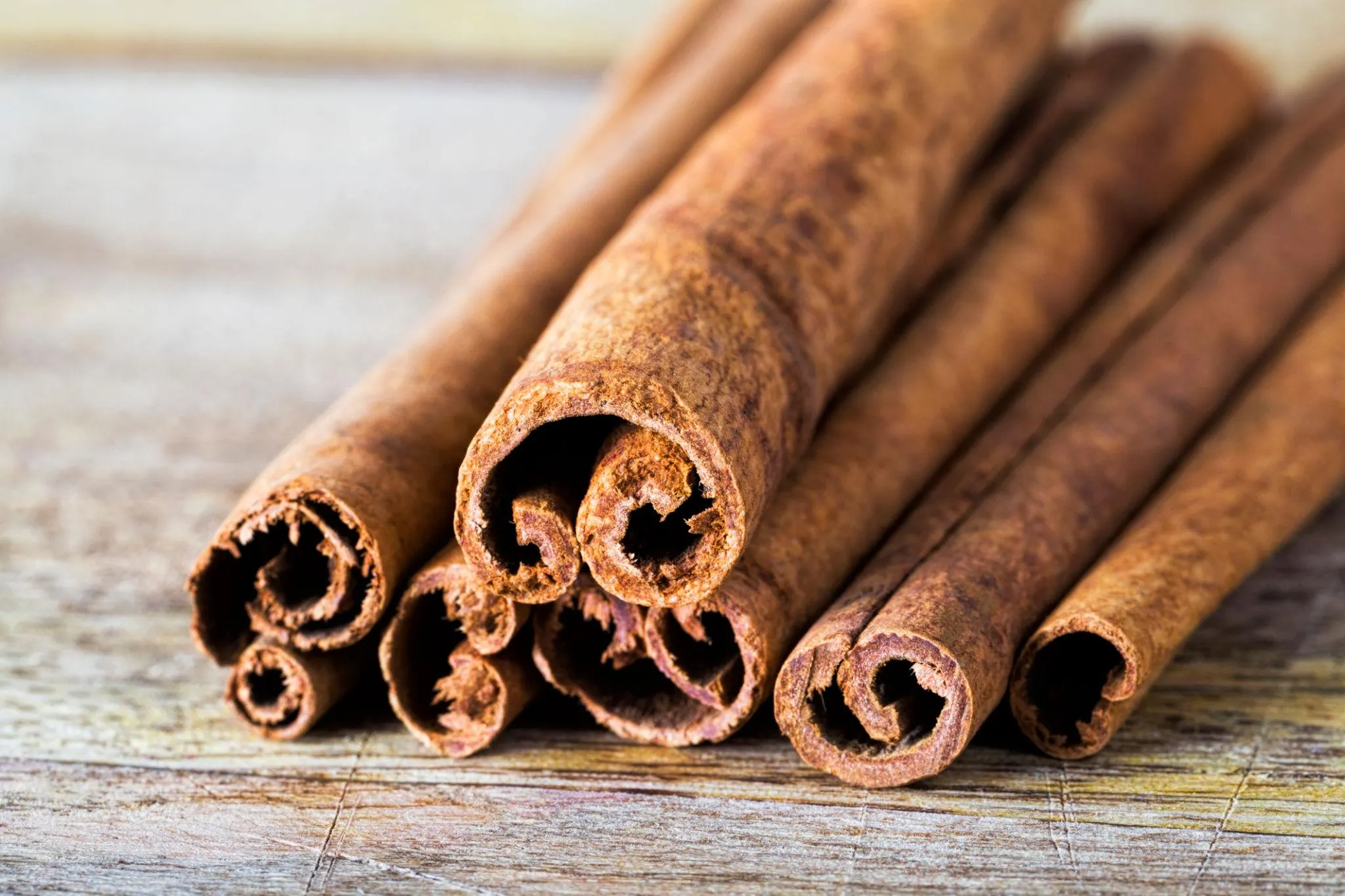
Cinnamon is the dried inner bark of evergreen trees in the Cinnamomum genus (Lauraceae), shaved from young shoots, curled into paperlike quills, and sold as sticks or milled into ground powder. After outer bark is removed, the thin inner bark dries and naturally curls into multi-layer "quills," which are cut to length or broken into chips before grinding. The spice's warm aroma comes largely from volatile oils concentrated in that inner bark. The botanical name traces to the Latin cinnamomum from Greek kinnamomon, a term used in antiquity for aromatic barks traded from Asia.
2. Where cinnamon comes from (origins and major growing regions)
The world's main cinnamon types come from distinct regions and species: Sri Lanka for Ceylon (Cinnamomum verum), Indonesia for Korintje (C. burmannii), Vietnam and southern China/Laos for Saigon or Vietnamese (C. loureiroi), and China for cassia (C. cassia/C. aromaticum).
On plantations, trees are coppiced so new shoots can be harvested at 2-3 years; workers strip outer bark, then the inner bark that becomes quills. Cinnamon thrives in humid tropical climates with well-drained soils and regular rainfall. Younger, oil-rich bark gives stronger aroma.
Origin affects both flavor and price: delicate, low-coumarin Ceylon typically commands more, while bold Saigon/Korintje styles are often more budget-friendly and punchier. You'll also taste farming and post-harvest practice in the spice: careful drying and sorting preserve those volatile oils that make cinnamon smell alive in the pan.
For a closer look at cinnamon's geographical origins, growing regions and harvesting practices, see our guide to Where Does Cinnamon Come From? Origins & Types.
3. Main types and varieties of cinnamon
The four commercially important kinds of cinnamon are Ceylon (Cinnamomum verum/zeylanicum), Chinese cassia (C. cassia/C. aromaticum), Korintje or Indonesian (C. burmannii), and Saigon or Vietnamese (C. loureiroi). Ceylon is often marketed as "true" cinnamon because it comes from C. verum, but the label can mislead since several Cinnamomum species are legitimate cinnamons used worldwide.
Ceylon: light, citrusy, and delicate; great for custards, light cakes, and fruit. Cassia (Chinese): robust, slightly peppery; common in spice blends and braises.
Korintje: smooth, sweet-spicy and consistent; a confectioner favorite for rolls and cookies.
Saigon/Vietnamese: highest punch with intense cinnamon heat; excellent in bold baked goods and aromatic rubs. Texture differs, too: Ceylon bark is thin and layered; cassia-type barks are thicker and harder, which matters when you simmer sticks whole.
If you're comparing these varieties for cooking or purchasing, our guide to Ceylon, cassia, Saigon and Korintje cinnamon provides a more detailed comparison of their flavor, appearance and typical uses.
4. Forms: sticks (quills), ground powder, essential oils and extracts
Cinnamon is sold as whole quills or chips, ground powder, essential oil, and aqueous or ethanolic extracts, each suited to different culinary and industrial uses. Oil content drives flavor intensity, so high-oil bark, oils, and extracts taste stronger, while intact quills retain volatile oils longer than ground spice.
Never attempt the "cinnamon challenge" or intentionally inhale powder, which can be dangerous. For cooking, whole sticks are ideal for long infusions, while fresh-ground powder delivers quick impact in batters and rubs; extracts and oils are for controlled, high-strength applications.
5. Flavor profiles and culinary uses
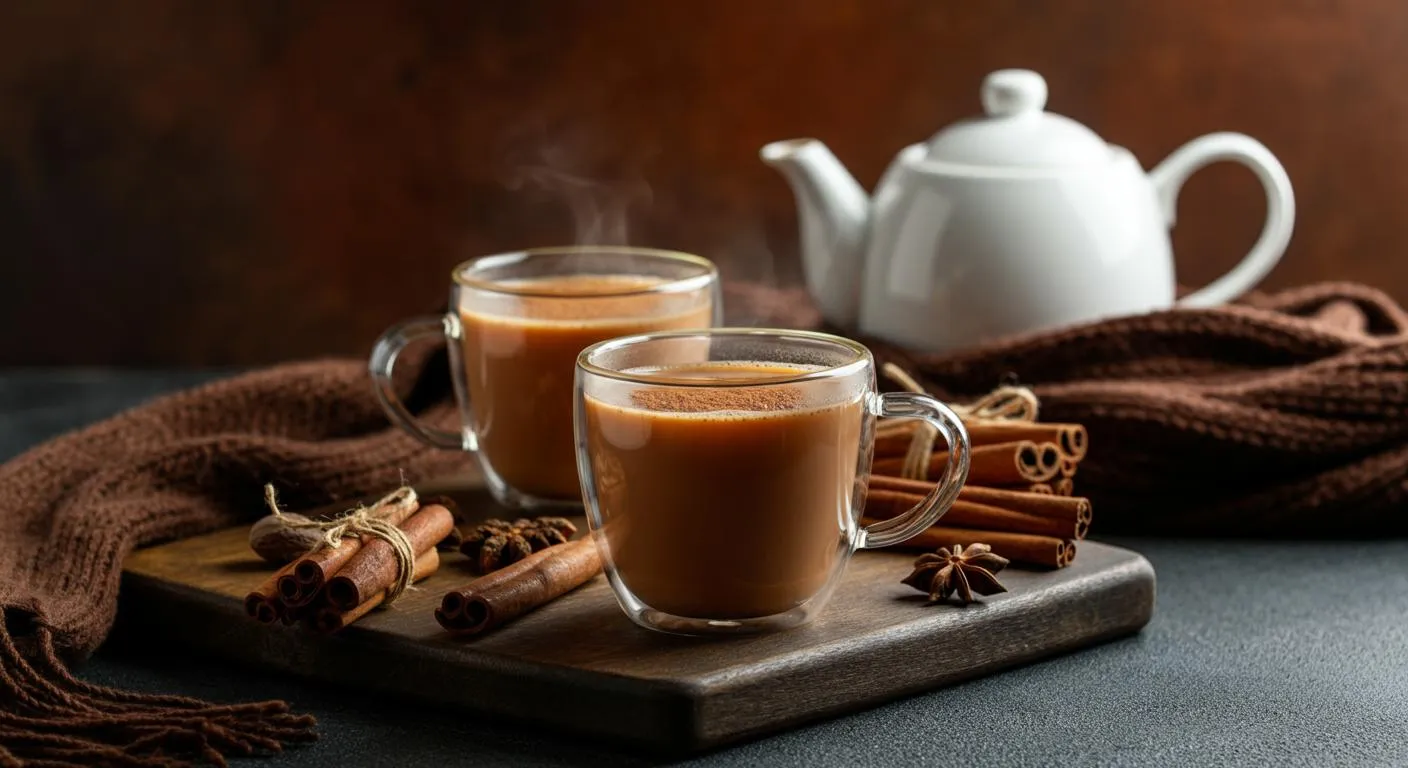
Use Ceylon for subtle desserts, custards, delicately spiced pastries, and fine fruit compotes, while cassia styles (Korintje and Saigon/Vietnamese) shine in cinnamon rolls, cookies, granola, chai, pho broths, barbecue rubs, and savory stews. Sticks are ideal for steeping in mulled cider, tea, coffee, cocoa, and slow braises, then removing before serving. Cinnamon pairs especially well with apple, pear, pumpkin, chocolate, cardamom, star anise, ginger, and black pepper.
For best flavor, store in airtight containers away from light and heat, grinding small amounts fresh when you need a brighter aroma. When swapping styles, use a lighter hand with Saigon's fierce heat; with Ceylon, you can be more generous without overwhelming delicate dishes.
Cinnamon can also work in modern desserts beyond traditional baking. For example, cinnamon ice cream combines the spice's warm aroma with a cool, creamy base, creating a distinctive flavor profile
6. What compounds are in cinnamon and how they matter
Cinnamon's key phytochemicals include cinnamaldehyde (the signature flavor and aroma compound with antimicrobial activity), cinnamic acid and cinnamate derivatives, essential oils, and polyphenols such as procyanidins with antioxidant properties. Across species, volatile-oil levels and coumarin content vary, which changes flavor intensity and safety considerations. Many research papers do not specify species or use mixtures of barks, leaves, or extracts, making results hard to compare. A 2014 academic review summarizes cinnamon's phytochemistry, antioxidant capacity, and antimicrobial actions while noting variability in study designs and preparations (see a 2014 review of cinnamon phytochemistry and pharmacology). Practically, that means two products both labeled "cinnamon" can perform very differently in the kitchen and in studies, depending on species, part used, and extraction method.
7. Potential health benefits and the quality of evidence
Cinnamon shows antioxidant, anti-inflammatory, and antimicrobial actions in lab studies and has been investigated for modest effects on fasting blood glucose, lipids, blood pressure, and potential neuroprotective pathways, but human evidence is mixed and often small or of short duration.
The U.S. National Center for Complementary and Integrative Health reports that research does not clearly support cinnamon for any health condition, and benefits for diabetes or weight loss remain uncertain due to inconsistent species, doses, and preparations (NCCIH: Cinnamon, In Depth).
For a more detailed discussion of the available research, including what studies say about blood glucose, weight and other potential effects, see Is Cinnamon Good for You? What Science Says About the Spice.
Practical takeaway: enjoy cinnamon as part of a healthy diet, but do not use it as a substitute for prescribed medical treatment, and be cautious with supplements. If you're curious about potential metabolic effects, note that trials have used measured amounts and defined preparations; a casual sprinkle in oatmeal won't match a standardized extract.
8. Safety, coumarin, side effects and interactions
Coumarin, a natural compound higher in cassia-type cinnamons and much lower in Ceylon, is the main safety concern; the EFSA tolerable daily intake is 0.1 mg per kg body weight per day, so frequent large intakes can exceed that benchmark (EFSA opinion on coumarin in flavorings). Common side effects of high use include gastrointestinal upset and allergic contact dermatitis, and heavy, long-term intake of high-coumarin cinnamon may stress the liver. Cinnamon can interact with blood-sugar-lowering medications and anticoagulants. Never inhale cinnamon powder or attempt the "cinnamon challenge." People with liver disease or on anticoagulants or diabetes medicines should discuss cinnamon supplements or high intakes with their clinician. If you use essential oil, know it's highly concentrated and can irritate skin, keep it out of the safety gray zone by diluting well and patch-testing.
9. How much cinnamon is safe to eat daily?
For most adults, culinary amounts such as a pinch up to about 1 teaspoon per day are generally safe, while higher supplemental doses should be discussed with a healthcare professional. As a practical anchor, a teaspoon of ground cinnamon weighs roughly 2.6 g (Medical News Today estimate), and many clinical trials exploring metabolic effects used about 1.5 g/day of measured cinnamon (WebMD clinical dosing summary), yet species and coumarin content differ widely.
Using the EFSA coumarin benchmark, a 70 kg adult's TDI is about 7 mg/day, making Ceylon (low coumarin) the safer choice if cinnamon is consumed daily; exact "safe" grams of cinnamon vary by type. For overall safety framing, cinnamon is likely safe in common food amounts (NCCIH overview).
For a more detailed discussion of cinnamon consumption, potential harm, coumarin exposure and the question of whether cinnamon can become habit-forming, see Is Cinnamon Addictive and Harmful?.
10. How to tell Ceylon (true) cinnamon from cassia at home
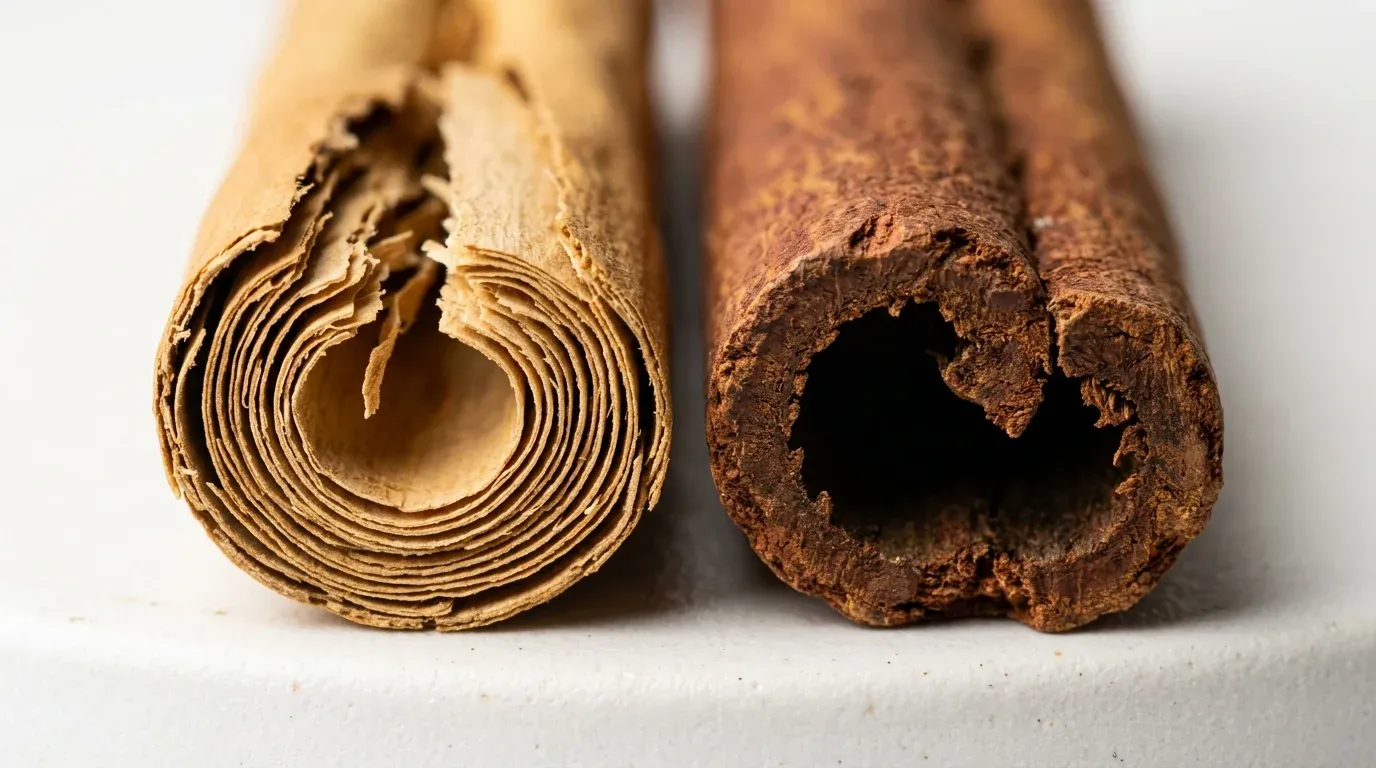
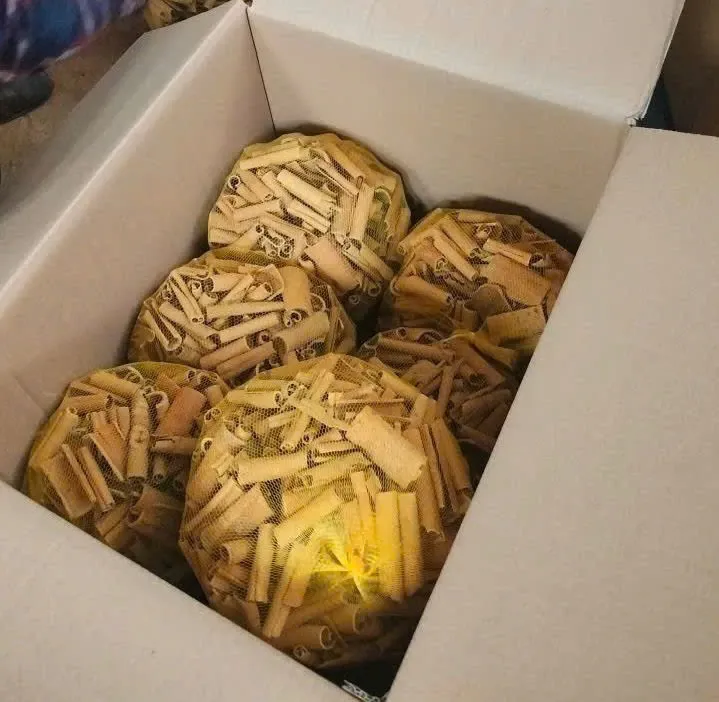
Ceylon quills are light tan and papery, crumble easily, and look like a cigar packed with many thin, concentric layers, while cassia sticks are darker reddish-brown, very hard, and usually a single thick roll or tight tube. For ground cinnamon, aroma helps: Ceylon smells gentle, honeyed, and slightly citrusy; cassia is bolder, hotter, and more peppery. When in doubt, check the label for the botanical name: Cinnamomum verum for Ceylon versus C. cassia/C. aromaticum (and related species) for cassia-type cinnamons. If the label is vague, assume a cassia-type unless it explicitly states Ceylon.
11. Buying, labeling and choosing the right cinnamon product
Read labels for the botanical name and country of origin to match flavor and coumarin preferences, buy whole sticks when you want longer shelf life, and choose freshly milled ground cinnamon for convenience. For supplements, look for standardized extracts with third-party testing and avoid vague "cinnamon" listings that don't specify species or part. Organic certifications and harvest year add transparency. From a certified manufacturer's perspective such as TMICORP (ISO 22000, HACCP, BRC FOOD, FDA registered, HALAL), prioritize supplier traceability, correct moisture control, and barrier packaging that protects volatile oils. For everyday baking, Korintje offers reliable, sweet heat; for daily tea or yogurt where you might use more, Ceylon keeps coumarin low.
If you're specifically interested in Vietnamese cinnamon as a sourcing option, see Cinnamon from Vietnam: Saigon & Vietnamese Cassia for information on origin, processing, grading and culinary applications.
12. Storage and shelf life
Whole quills keep their aroma best for about 2-3 years in an airtight, opaque container stored cool and dark, while ground cinnamon is most vibrant for roughly 6-12 months. Keep all forms away from heat, light, and moisture to slow oil loss and staling. A simple freshness test is to rub or grind a small pinch and smell; if the aroma is faint, it is time to replace. In commercial settings, certified spice packers like TMICORP use barrier films and tight-seal formats to retain volatile oils and reduce oxidation. At home, small jars you can finish within a year beat jumbo tubs that linger.
13. Practical uses beyond cooking (topical uses, oil, industrial)
Beyond baking and beverages, cinnamon essential oil flavors confectionery and beverages and scents soaps, candles, and personal care products; extracts appear in dietary supplements and food industry flavor systems. Traditional topical uses and mosquito repellent claims exist, but evidence is limited or mixed. Essential oil is potent and can irritate skin, so always dilute properly in a carrier oil, patch-test before use, and avoid broken or sensitive skin. In our kitchens, we've found a drop of extract lifts chocolate sauces when whole spices would turn gritty.
14. Frequently asked questions
Is cinnamon safe for people with diabetes?
Cinnamon may modestly lower fasting glucose in some studies, but overall human evidence is mixed and not definitive, and products vary by species and dose. If you take diabetes medications, cinnamon could enhance blood-sugar-lowering effects, so monitor glucose closely and avoid high-dose supplements without clinician guidance. Culinary amounts used in food are generally considered safe.
How much cinnamon can I safely give a child?
Culinary amounts sprinkled in foods are generally safe for children, but high doses and supplements are not recommended due to coumarin exposure and limited safety data. Offer smaller portions than adults use, favoring Ceylon for lower coumarin, and consult a pediatrician before any regular supplemental use. Avoid any inhalation of powder.
Why do some sources call Ceylon "true" cinnamon?
"True" reflects the species name Cinnamomum verum (formerly zeylanicum) and historical trade lore from Sri Lanka, but it is largely a marketing shorthand. Botanically, several Cinnamomum species are authentic cinnamons, though they differ in flavor and coumarin levels. In practice, the term usually signals the lighter, delicate, low-coumarin Ceylon style.
Is it safe to use cinnamon essential oil on skin?
Use caution: cinnamon essential oil is highly concentrated and can irritate or burn skin if applied undiluted. Always dilute in a carrier oil to a low percentage, perform a small patch test first, and avoid use on broken skin or if you have known sensitivities. Discontinue use if redness or burning occurs.
Credibility note: TMICORP exports processed fruits globally under brands like TMI Foods, Ecovita, Sunrich, and SunVitD, and uses routine Brix testing, grading, and traceability systems consistent with its ISO 22000, HACCP, BRC FOOD, and FDA registrations. These practices mirror the harvest and handling points described above to help fruit reach consumers at optimal eating quality.


Related Articles
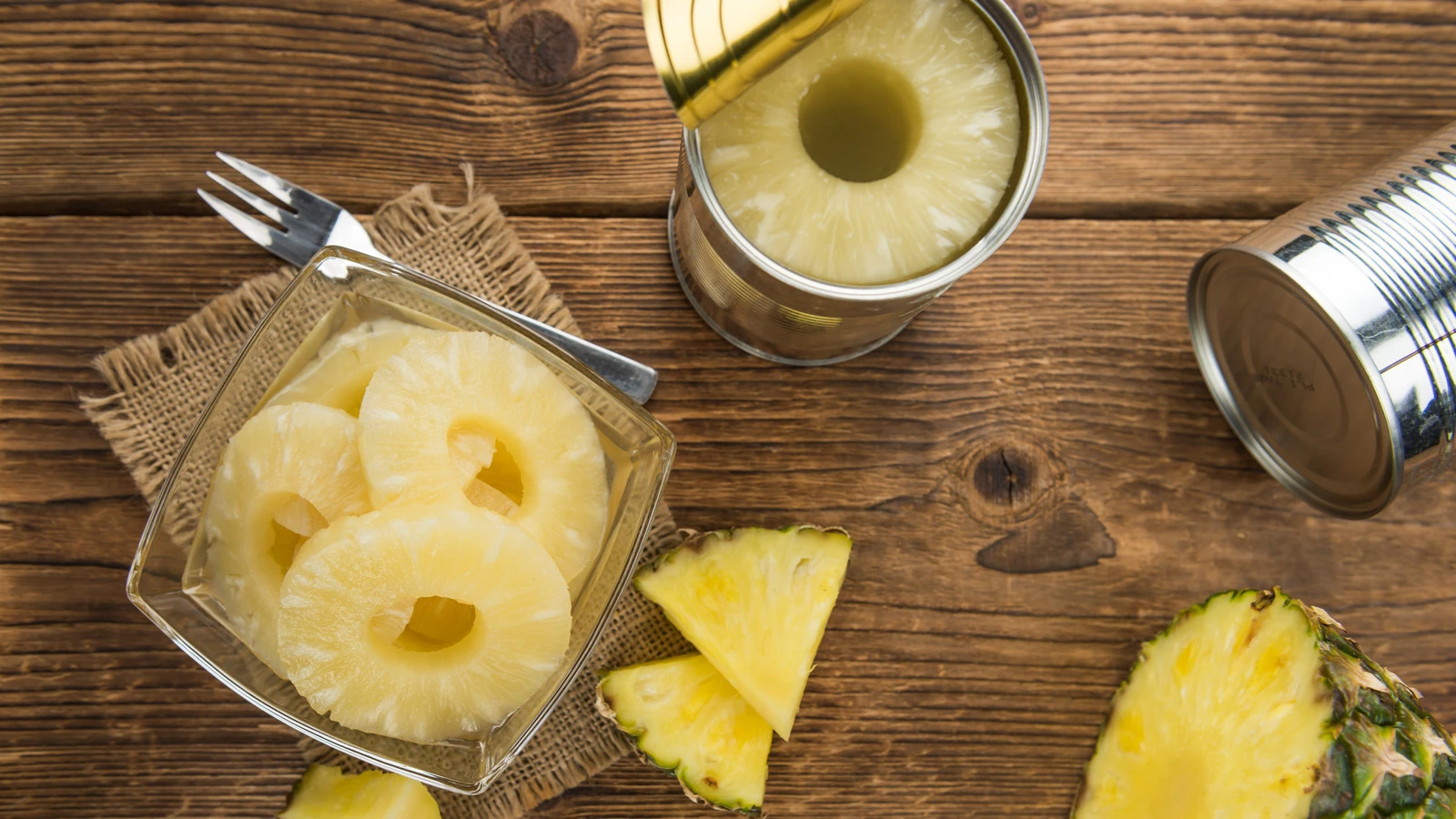
Canned Pineapple Benefits: Health, Nutrition & Risks
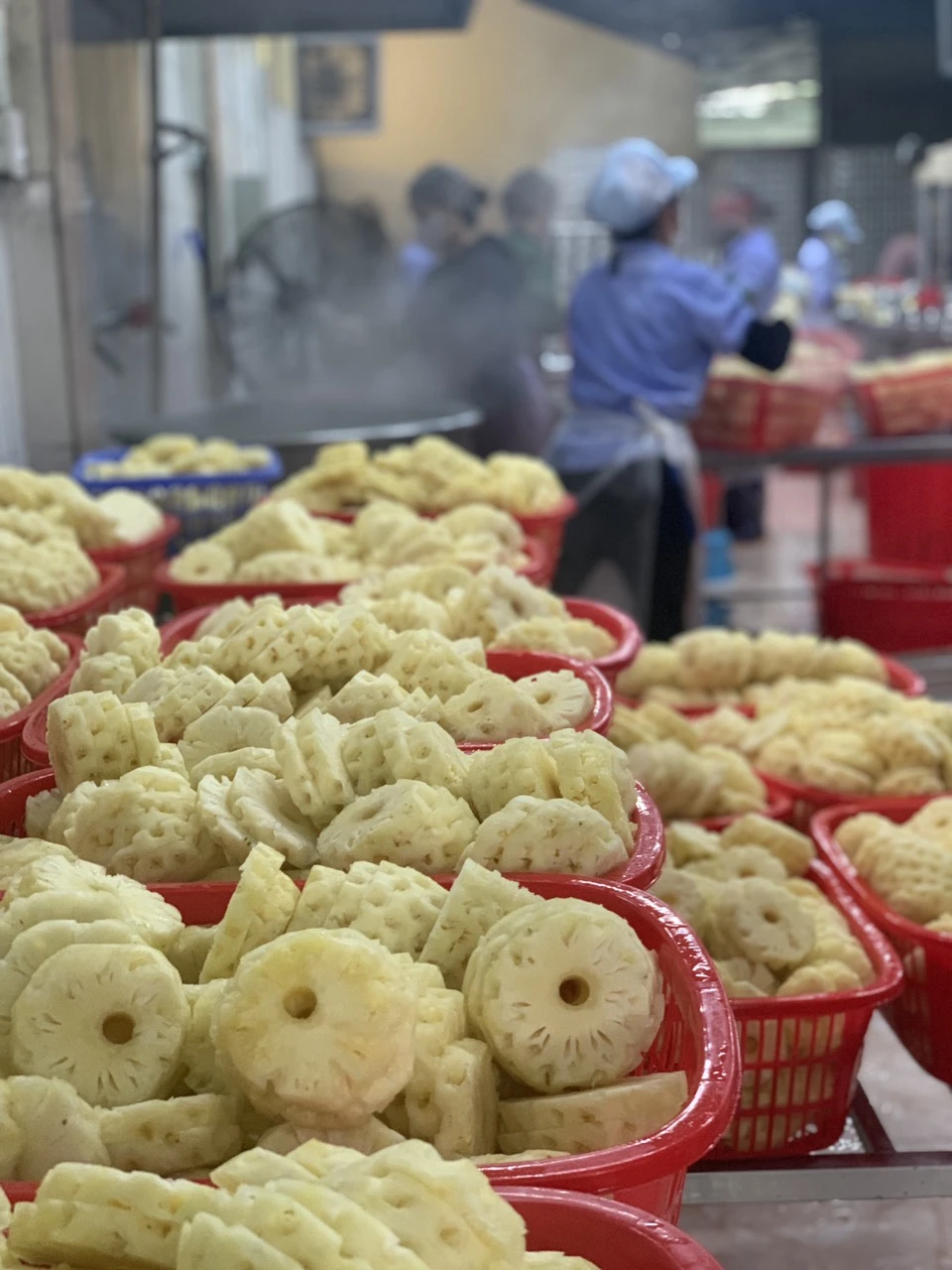
WHAT IS CANNED PINEAPPLE?
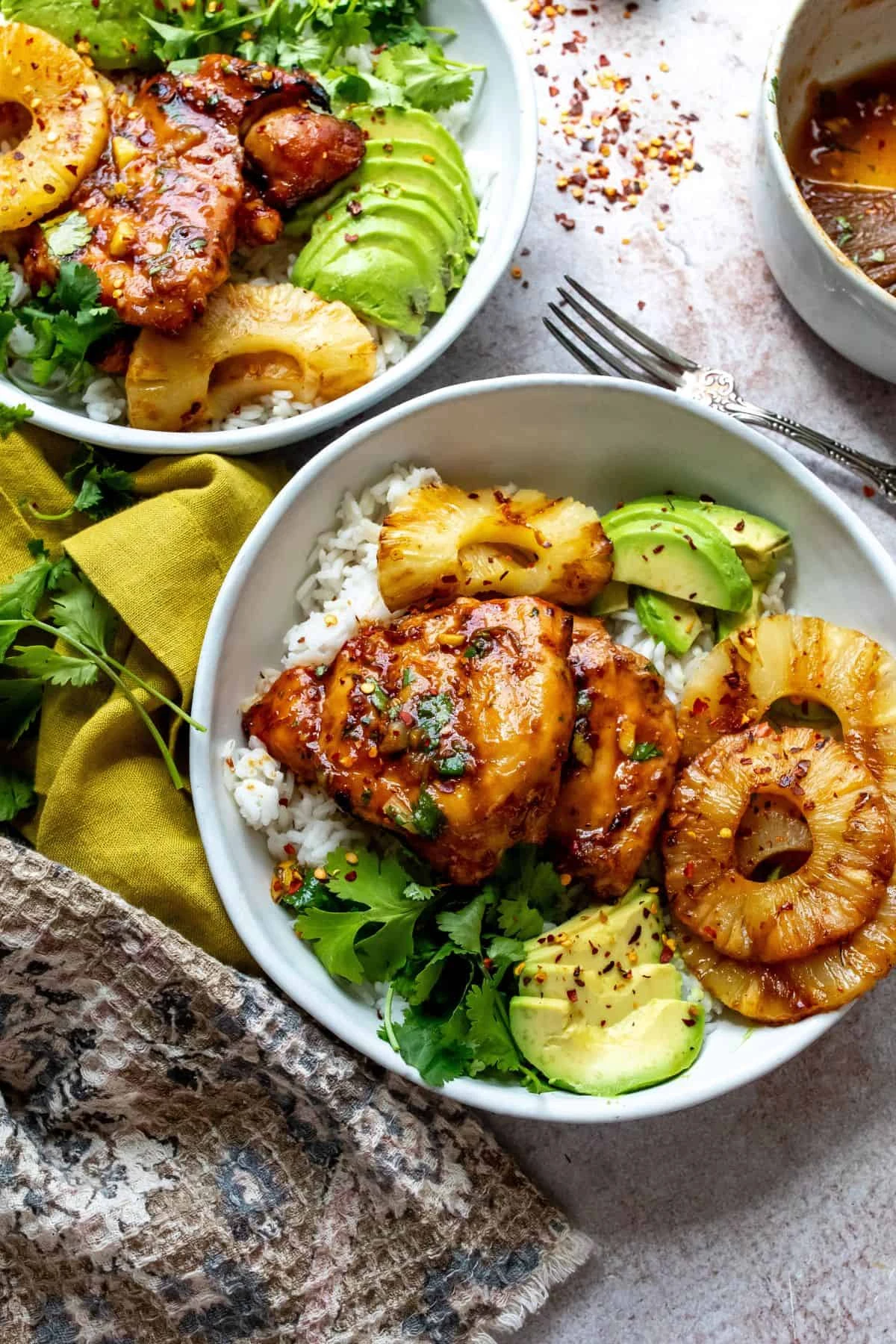
3 Easy and Delicious Dishes You Can Make with Canned Pineapple
Discover 8 of the Best Bubble Tea Flavors Around the World!