
Pineapple and Weight Loss: Does Pineapple Help?
By TMICORP Editorial Team | Last updated: 2026-08-11
This article is for general informational purposes only and is not medical advice. Consult a qualified healthcare professional for guidance on your individual situation.
1. Quick answer: can pineapple help with weight loss?
Pineapple does not burn fat, but about 1 cup (165 g) of fresh pineapple at roughly 82 calories can help you feel full and support a calorie deficit. Its low energy density, high water content, natural sweetness, and some fiber make it useful for replacing higher-calorie snacks and desserts. Strong human evidence that bromelain or pineapple itself causes fat loss is lacking; most positive findings come from animal studies or concentrated supplements, not whole fruit. The practical takeaway: pineapple is good to include in a calorie-controlled plan, but it isn't a magic solution.
2. How pineapple can help with weight loss
Pineapple can support weight loss by lowering overall calorie intake through volume, not by speeding metabolism. Its low energy density (about 50 calories per 100 g) and high water content help with fullness, and its modest fiber slows digestion slightly for steadier satiety. The natural sweetness can satisfy dessert cravings at far fewer calories than most baked goods, and the chewing required for juicy chunks naturally slows eating, aiding appetite control. One simple swap shows the benefit: 1 cup (165 g) fresh pineapple is about 82 calories, while a typical candy bar is several times higher.
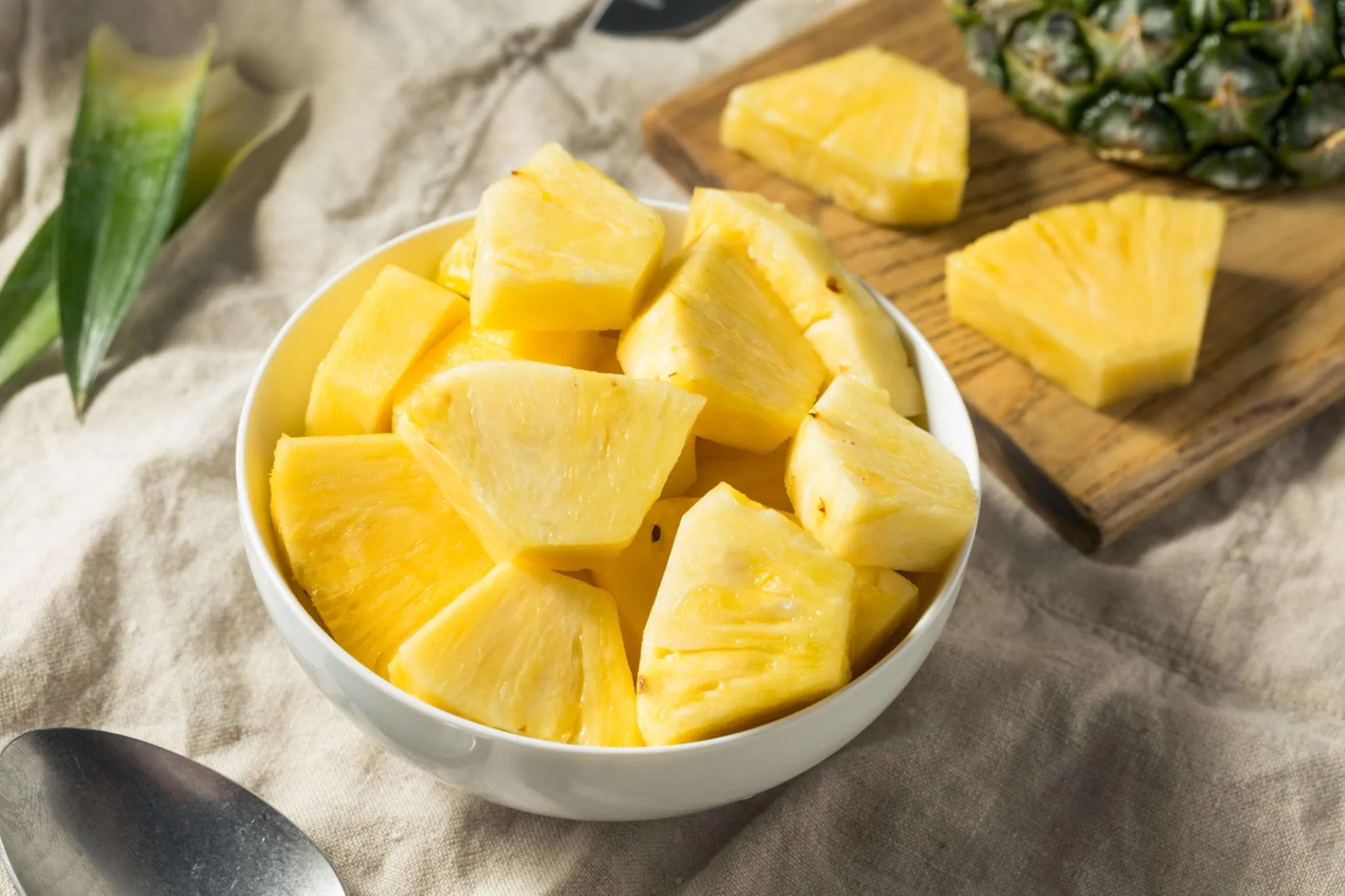
Think in terms of "volumetrics": foods that take up space with relatively few calories help you feel satisfied on less. Pineapple fits this pattern, especially when it's part of a balanced plate rather than eaten alone. Use it to "pre-load" a meal (a small bowl before dinner) to take the edge off hunger, or as a dessert stand-in when you want something sweet but light. It's also practical: whole chunks are easy to portion, and the bright flavor helps make lean proteins and vegetables feel more exciting, which can improve adherence to a calorie-controlled plan over time.
3. Bromelain and the 'fat-burning' myth
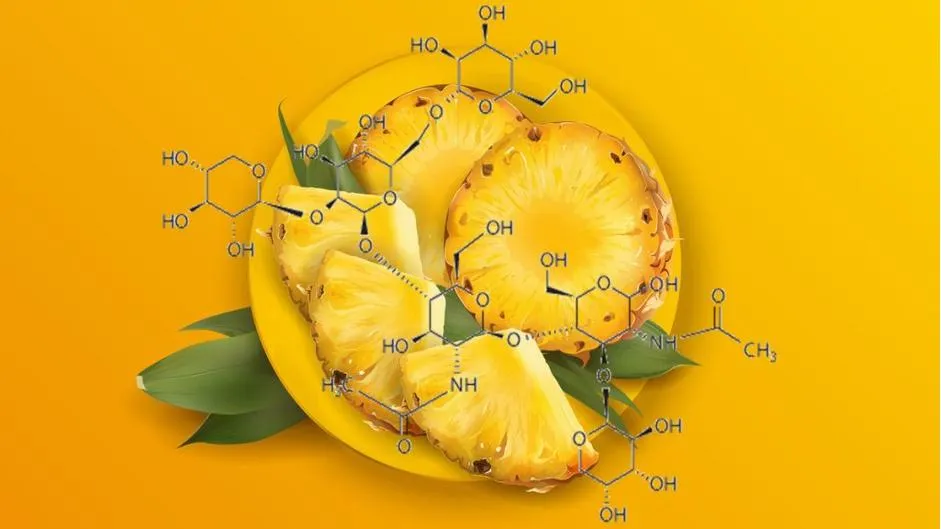
Bromelain is a proteolytic enzyme complex found most heavily in pineapple stem and core (with smaller amounts in the flesh), and it is not proven to burn fat in humans. Lab and animal work suggests anti-inflammatory and digestive effects, and a 2018 Wistar rat study of pineapple juice reported less weight gain and improved lipid markers, but these used concentrated forms and doses unlike normal eating and do not demonstrate human fat loss. Enzymes are mostly digested in your gut, and the amounts from fruit are far below supplement doses. Bottom line: interesting biology, no human "fat-burning" proof. For an example of the animal work often cited, see an overview on the NCBI PMC portal.
4. Forms compared: fresh, frozen, canned, juice, dried
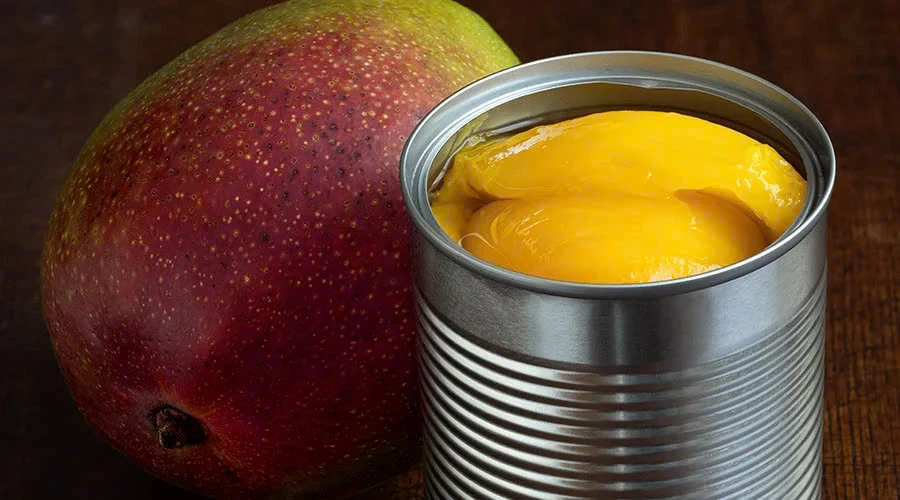
For weight loss, fresh or frozen pineapple are your best bets because they deliver volume, water, and fiber for relatively few calories per bite. Frozen fruit is typically picked ripe and quick-frozen (IQF), so it keeps texture and nutrition well and is easy to portion into smoothies or yogurt bowls. Canned pineapple in heavy syrup adds significant sugar and calories; choose fruit packed in its own juice or water and drain (even a quick rinse helps reduce sugars on the surface). Wondering whether canned pineapple can fit into a healthy diet? Read our guide to Canned pineapple benefits, nutrition, and risks for a closer look at choosing canned pineapple in juice, water, or syrup.
If you buy rings or chunks "in juice," treat the juice as optional, pour it off rather than drinking it to avoid extra calories. For a broader comparison of the nutritional benefits and practical considerations of different pineapple forms, see our guide to Pineapple Benefits: A Buyer’s Guide to Fresh, Canned, Dried & Frozen.
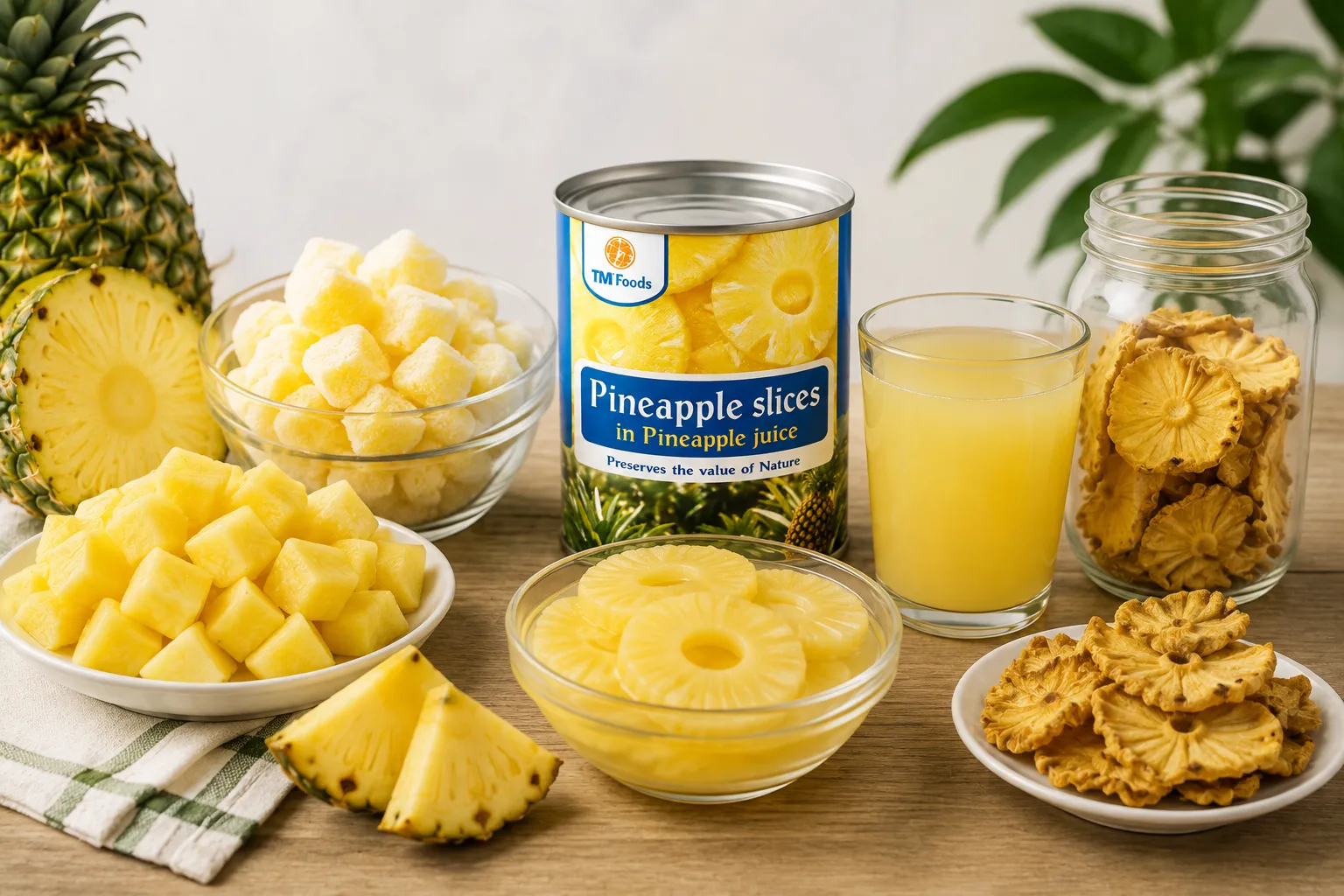
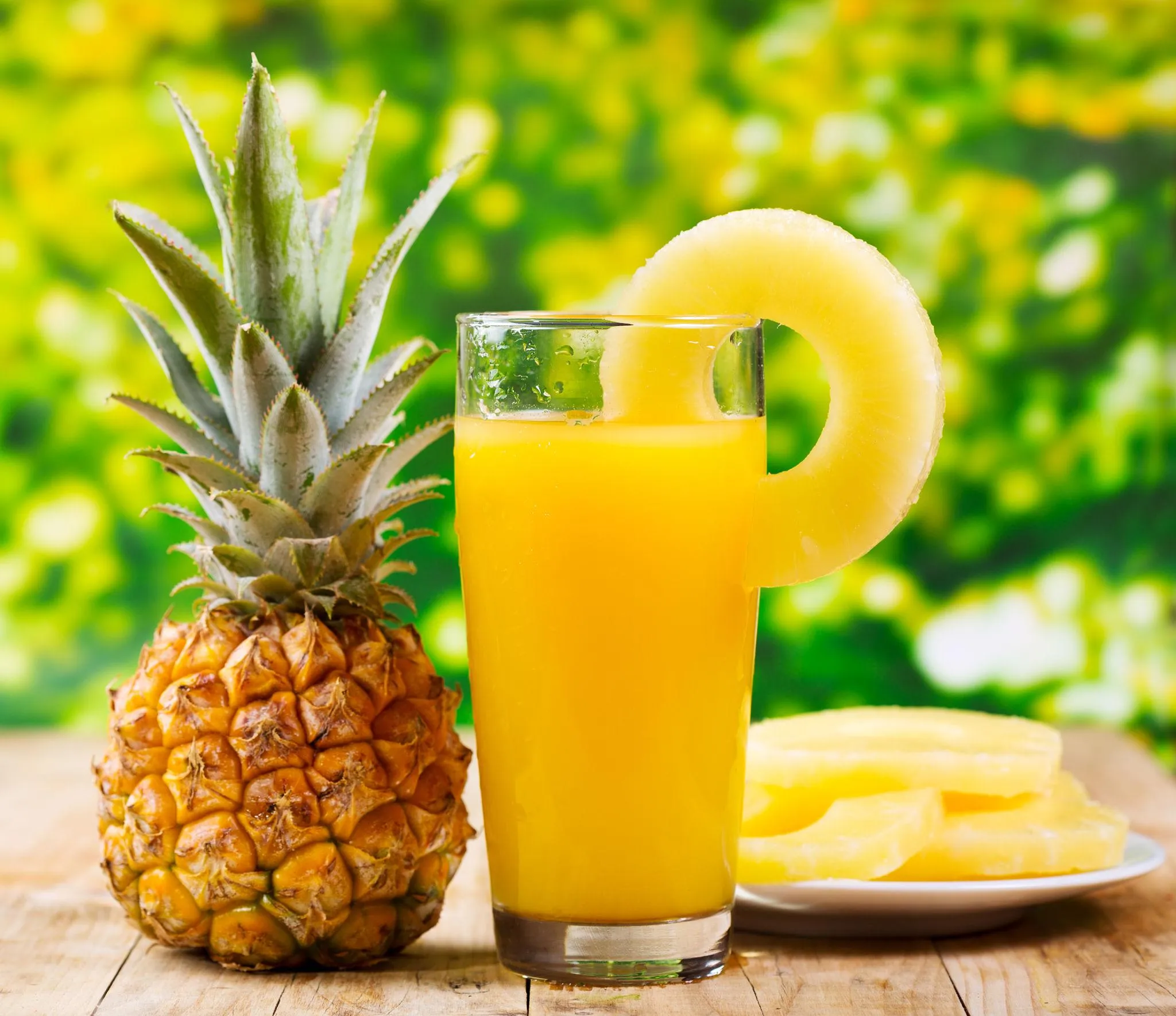
Juice removes fiber and concentrates sugars, so it's less filling and can have a higher glycemic impact; it's better used as a flavor accent than a beverage. Dried pineapple is calorie-dense and easy to overeat because water is removed and sugars are concentrated; a handful can equal several cups of fresh fruit. Practical label tips: avoid "in heavy syrup," prefer "in juice/water," and pick whole chunks or rings. From a manufacturing perspective, syrup concentration, drying to low water activity, and IQF freezing all change sugar concentration and satiety; clear labeling helps you make the right choice.
5. Portion sizes and how to use pineapple for weight loss
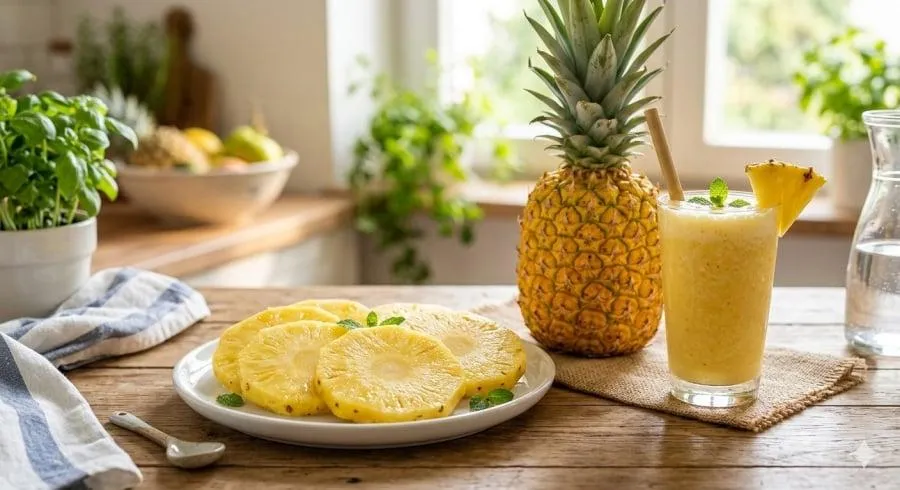
A realistic portion for most people is 1 cup (165 g) fresh pineapple, about 82 calories per USDA FoodData Central, which fits well into a calorie-controlled snack or meal. When choosing fresh pineapple, knowing how to tell when a pineapple is ripe can help you select fruit with better flavor and texture.
To boost satiety, pair pineapple with protein and extra fiber, plain Greek yogurt, cottage cheese, a small handful of nuts, or alongside lean proteins and veggies all work. Make it work for you by prepping containers with measured portions, keeping frozen chunks on hand for smoothies, and using pineapple to add brightness to savory meals where a little goes a long way.
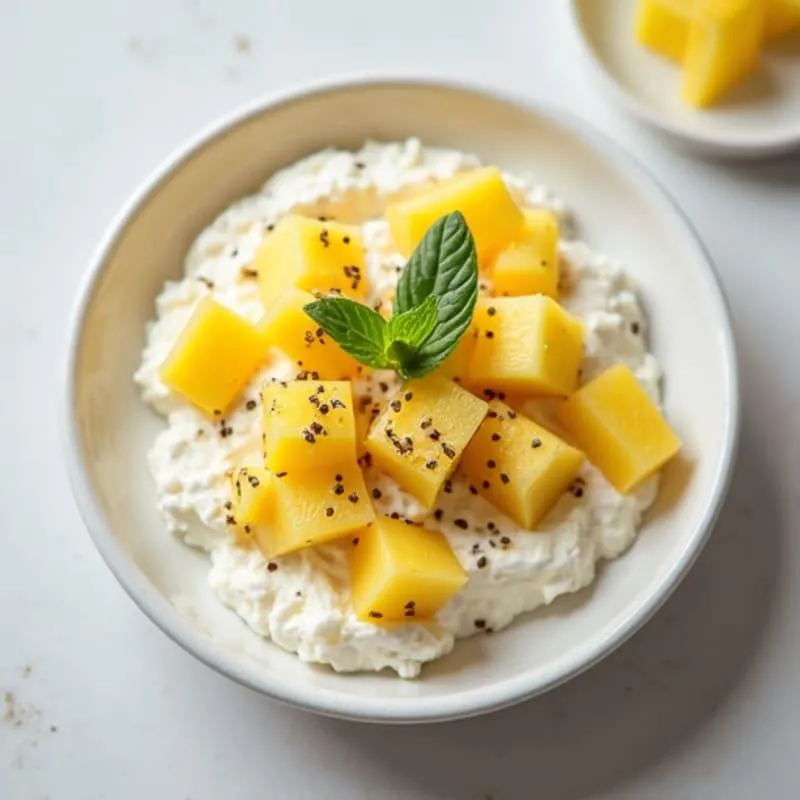
Portion awareness matters with packaged forms: drain canned fruit thoroughly, skip the syrup, and serve it in a bowl rather than eating from the container. With smoothies, balance fruit with leafy greens and a protein source so the drink satisfies like a meal instead of acting like juice. These small structure tweaks keep pineapple firmly in the "helps my deficit" column.
6. Practical recipes and snack ideas that support weight loss
Preparing fresh pineapple is easy once you know how to handle the fruit. Learn how to cut pineapple properly to make portioning and preparation easier.
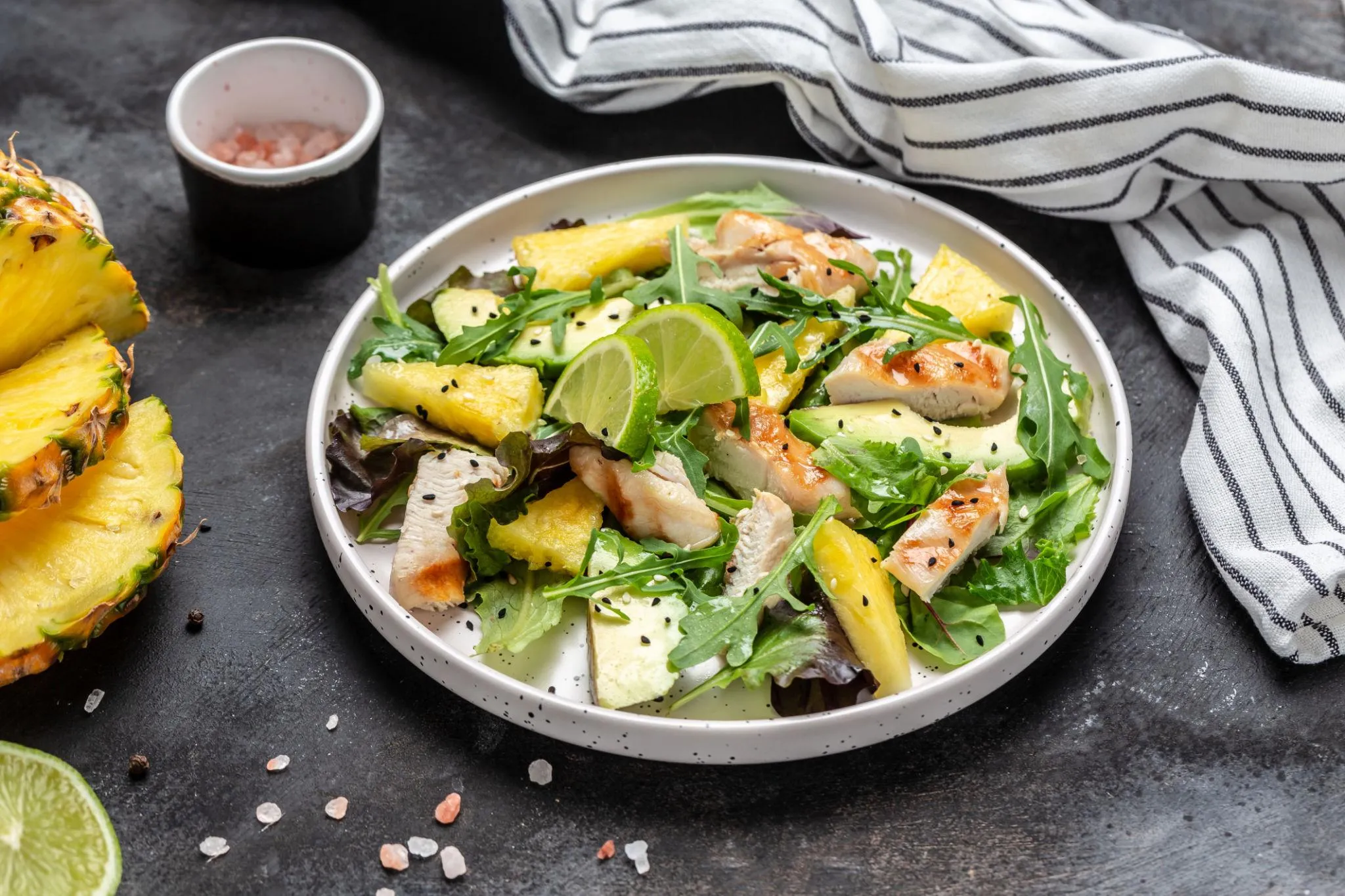
Try pineapple with plain Greek yogurt and cinnamon, finished with a spoon of chia seeds; toss a pineapple-cucumber salad with lime, mint, and chili flakes; serve grilled pineapple rings alongside grilled chicken or tofu; blend a green smoothie with spinach, frozen pineapple, unsweetened protein powder, and water; enjoy 1 cup of pineapple for dessert with a small handful of almonds; or spoon pineapple-black bean salsa into lettuce cups for a high-fiber, high-protein bite.
7. What the research says: human trials vs animal studies
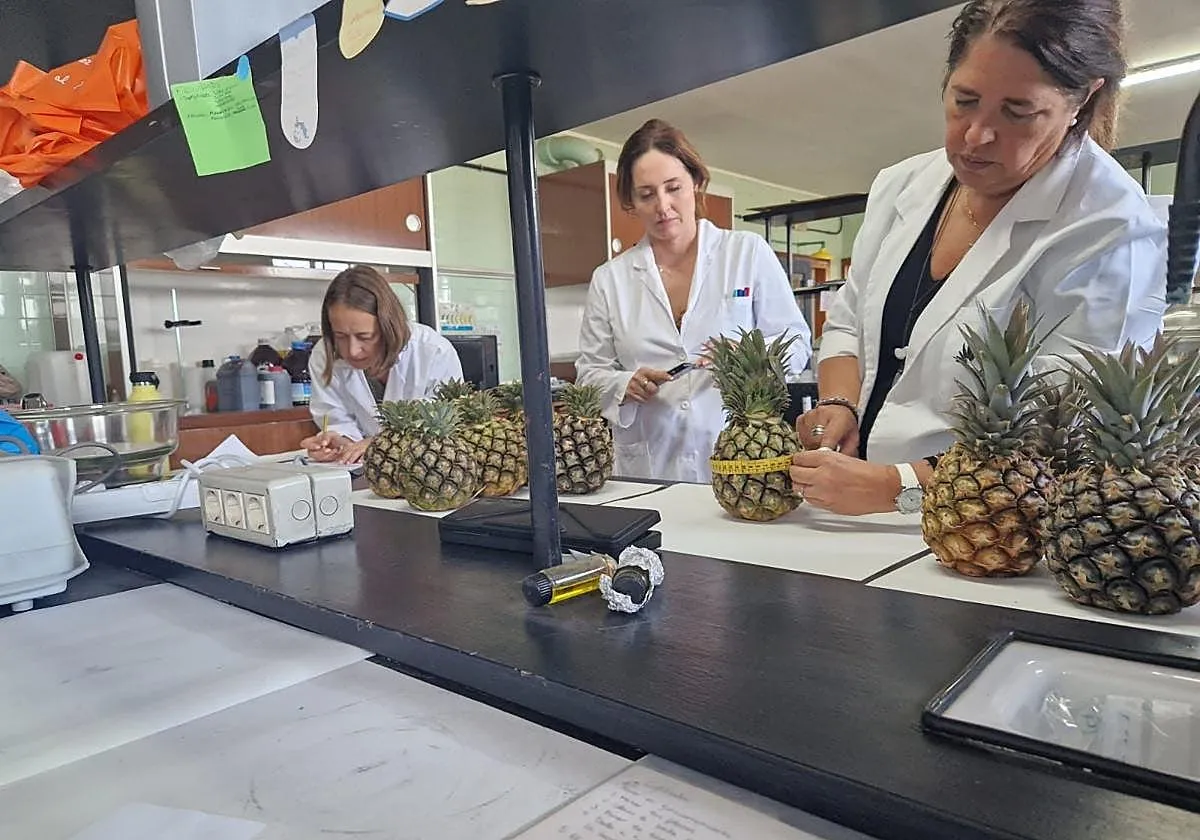
There are no robust randomized controlled trials showing pineapple or bromelain causes weight loss in humans, so claims that it directly reduces body fat are unproven. Several animal studies using pineapple juice or extracts report less weight gain and improved lipid profiles, but the forms and doses differ from normal dietary intake, limiting translation to people. Current human-level evidence supports pineapple as a low-calorie, hydrating fruit that can help you maintain a calorie deficit, not as an anti-obesity treatment. For broader context on satiety and low-energy-density eating patterns, see this overview from Medical News Today on pineapple and weight loss.
8. Safety, side effects and drug interactions
Most people tolerate pineapple well, but some experience mouth or tongue irritation from bromelain and fruit acids, and unripe fruit may cause gastrointestinal upset. Bromelain supplements (not typical food amounts) can interact with blood thinners and some antibiotics, potentially increasing bleeding risk, ask a clinician before taking supplements if you use these medications. Frequent acidic fruit or juice can contribute to dental erosion; rinse your mouth with water after eating and keep juice portions small.
If your mouth feels scratchy, pair pineapple with yogurt or cottage cheese to buffer the acids, and choose fully ripe fruit rather than very firm, unripe pieces. Stick to whole fruit over juice if you're prone to reflux, and space out portions if you notice irritation. For a plain-language roundup of benefits and risks, read Healthline's guide to pineapple.
9. Is pineapple compatible with low-carb or keto diets?
Pineapple is relatively high in natural sugars (primarily fructose and glucose), so it's not ideal for strict ketogenic diets. Small, measured portions can fit some liberal low-carb plans if you track carbs and pair with protein and fiber to steady blood sugar. For keto-friendly alternatives, choose lower-carb fruits like berries in modest amounts, and check exact carb counts on USDA FoodData Central or package labels.
10. Conclusion: how to think about pineapple when trying to lose weight
Pineapple is a tasty, low-energy-density fruit that helps you control calories and feel satisfied when you use sensible portions and pair it with protein and fiber. It does not "burn" fat, but it can make a calorie-deficit diet easier to stick with by replacing higher-calorie sweets. As a certified food manufacturer, TMICORP prioritizes accurate labeling and controlled processing so consumers can choose lower-sugar forms that fit weight-loss goals.
11. Frequently asked questions (FAQ)
Does pineapple help burn belly fat?
No, pineapple does not specifically burn belly fat, and no single food can spot-reduce fat in one area. Any fat loss comes from a sustained calorie deficit and overall body-wide changes. Bromelain "fat-burning" claims rely on lab or animal data, not human trials, see the bromelain myth section above.
Is canned pineapple good for weight loss?
Canned pineapple can fit a weight-loss plan if it's packed in its own juice or water, drained well, and portioned to about 1 cup (165 g). Avoid cans labeled "in heavy syrup," which add sugars and calories. Rinsing briefly under water reduces surface sugars and brings calories closer to fresh fruit per serving.
Can I eat pineapple every day for weight loss?
Yes, you can eat pineapple daily in reasonable portions, about 1 cup (165 g) fresh is roughly 82 calories, and it can support a calorie deficit. Still, aim for variety to cover different micronutrients, and remember total sugar and calories add up. People managing blood sugar should monitor responses and discuss portions with a clinician.
Does pineapple juice help in weight loss?
Pineapple juice is less helpful than whole fruit because it lacks fiber, is less filling, and concentrates sugars, which can spike blood sugar and add calories quickly. If you include juice, keep portions small and pair it with protein or fiber. See the forms comparison above for details.
Is pineapple keto friendly?
Pineapple is not typically keto friendly due to its carbohydrate content. Very small portions may fit a more flexible low-carb plan, but they usually exceed strict ketosis limits. Track carbs carefully and consider lower-carb fruits like berries if you follow keto.



Related Articles
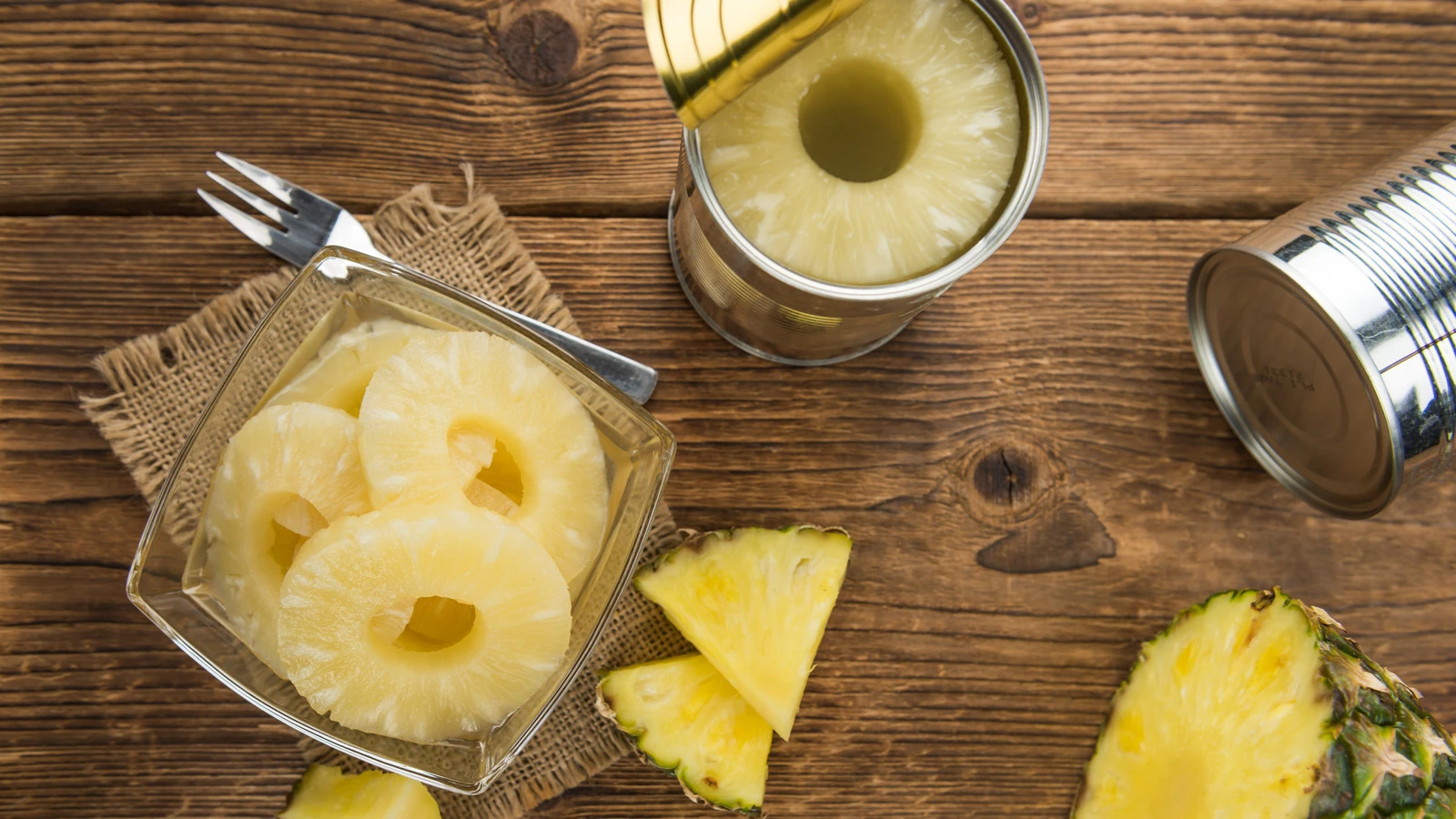
Canned Pineapple Benefits: Health, Nutrition & Risks

WHAT IS CANNED PINEAPPLE?
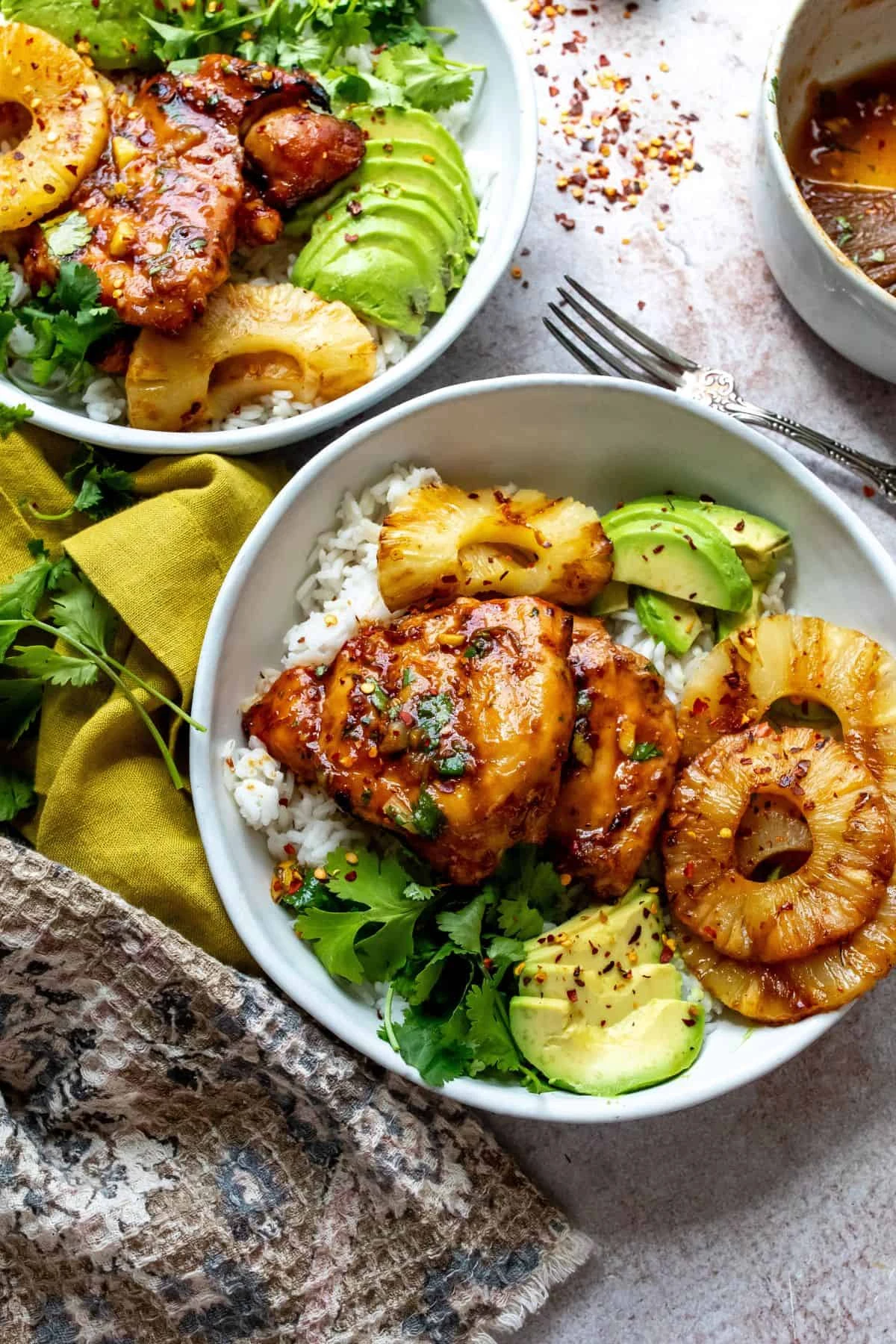
3 Easy and Delicious Dishes You Can Make with Canned Pineapple

Discover 8 of the Best Bubble Tea Flavors Around the World!